
Ray Dalio, renowned for his expertise in macro investing and risk analysis, consistently emphasizes how sovereignty and political trends can upend asset values—often in ways that are invisible until they converge into a major catalyst. When evaluating nationalization risk in Mexico, Dalio’s approach would be grounded in the concept that markets and governments operate through cycles—phases where long-term forces quietly reshape the investment landscape before triggering sudden, outsized moves. Mexico’s recent populist shift, marked by Morena’s rise, resource nationalism, and the explicit threat of silver nationalization, embodies exactly the kind of jurisdictional risk Dalio flags as most dangerous for investors.
Dalio has long warned that when a government faces political pressure to redistribute wealth, secure strategic resources, or respond to social movements, foreign investors become easy targets. In the context of Mexico, the relentless march toward state control over its mining sector signals that foreign-owned silver mines—especially North American operations—stand at a high risk of expropriation, restrictive regulations, or punitive taxation once the political climate tips. Dalio would argue that what looks like a “sudden turn” in policy (such as banning new mining concessions or tightening audits) is actually the culmination of years of building tension from grassroots movements, rising inequality, and populist rhetoric about reclaiming the nation’s wealth for its people.
In Dalio’s framework, the greatest risks aren’t telegraphed through headlines, but are visible in the shifting alignment of political incentives, institutional reforms, and broad social consensus. When jurisdictional risk spikes—particularly in countries with volatile policy environments and strong populist governments—he advises investors to reassess exposures, hedge positions, and recognize that the very structures underpinning their investments can change overnight. For Dalio, Mexico’s “Fourth Transformation” is a textbook case: as the narrative pivots abruptly from open markets to national sovereignty, even the most sophisticated investors must accept that their assets may be repriced, restricted, or outright seized. In short, Dalio would categorize Mexican nationalization risk as intolerable for anyone not positioned to adapt before recognition hits the broader market—a risk that only reveals its true scale once it’s too late.
I’ve been patiently waiting for my research to be validated by someone with Ray Dalio’s prestige and global respect. Over the years, I’ve received a hat tip from John Rubino and support from numerous influential voices on Twitter, but Dalio’s alignment signals something different. His acknowledgment elevates this from niche insight to a credible warning within the mainstream narrative—a shift into the broader market’s zeitgeist where the risks I’ve highlighted can no longer be ignored.
Many of you know I was embedded in a media tour of Mexico and this is just another article with dozens more slated for release over next several months.
Mexico’s Populist Revolution: A Nation Redrawn in Silver, Data, and Power
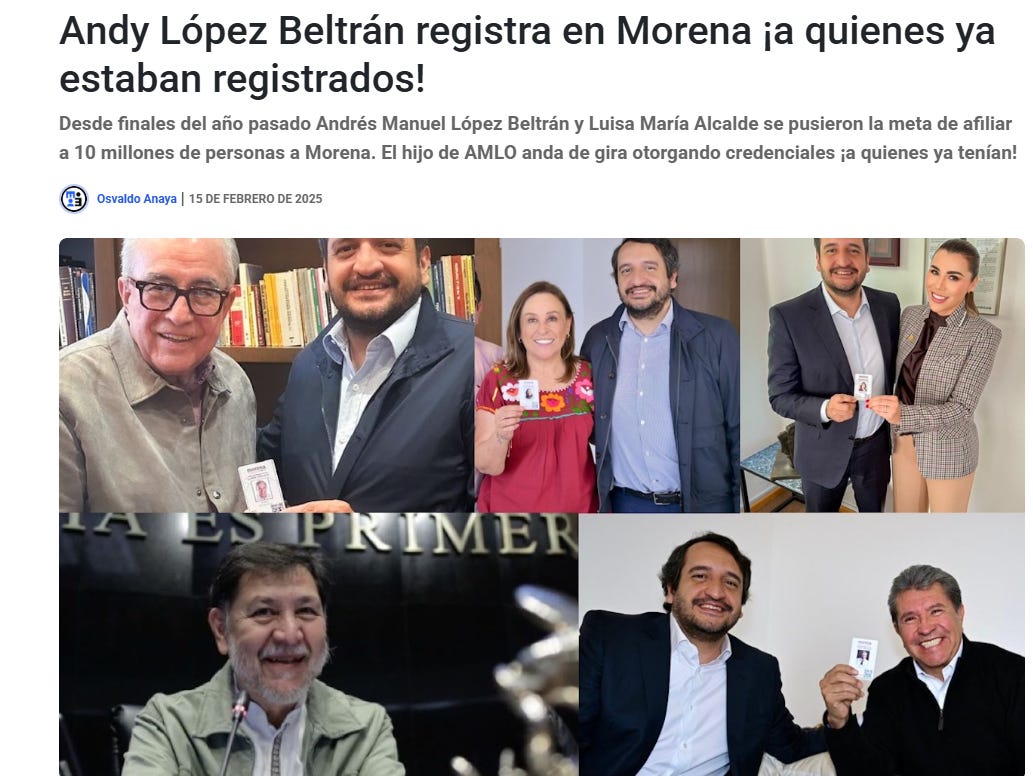
10 Million Voters and Biometric Bots: Has Morena Engineered the World’s Smartest Grassroots Revolution?
Is the true engine of Mexico’s “Cuarta Transformación” the unprecedented registration of 10 million voters by the populist Morena party—powered by grassroots mobilization and next-generation biometric ID cards? How did a party born of the streets, banners, and campesino struggle build the world’s boldest experiment in state-driven resource nationalism?
Prepare for a hard-hitting investigative report that links every piece of the puzzle—Morena’s voter machine, biometric control, and silver nationalization—revealing a story no other outlet has dared to stitch together.
“Behind the Banner”—How Claudia Sheinbaum’s Indigenous Icon Became Mexico’s New Face of Power
Who is Morena, and why does their rhetoric matter for Mexico’s future?
Morena, formally known as the Movimiento de Regeneración Nacional, brands itself as the movement of solidarity, militant organizing (“militancia”), and popular sovereignty. The party’s surge isn’t just about numbers—it’s about mobilizing ordinary citizens in a mission to end corruption and uplift the poor through the “Cuarta Transformación” (Fourth Transformation), the latest chapter in Mexico’s revolutionary quest for social justice.
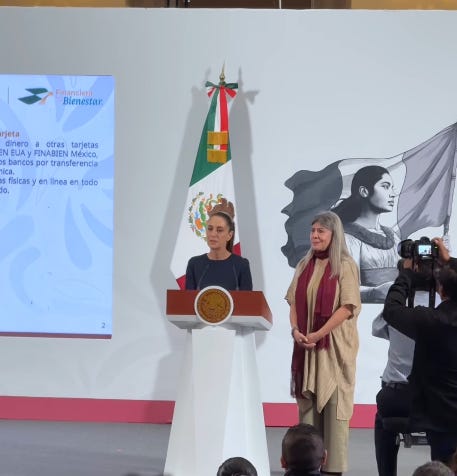
Under the banner of President Claudia Sheinbaum Pardo—whose administration’s official logo is an Indigenous woman glancing left in symbolic campesino attire—Morena rides a tidal wave of left-leaning, populist, grassroots activism. Their rallies echo with comradeship, fraternal bonds, and defense of territory—signals of a disciplined mass movement.
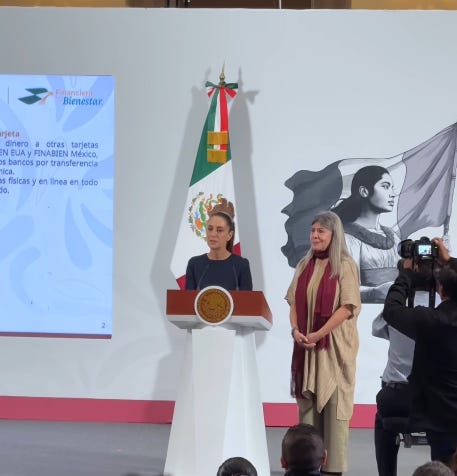
The flag behind President Pardo resembles Mexico’s, except the central eagle is now replaced by an indigenous woman in peasant attire glancing left. She wears traditional dress, embodying indigenous heritage and grassroots empowerment themes. The flag’s colors—green, white, and red—remain, but the iconic eagle is absent, signaling a shift from traditional symbolism to indigenous representation.
Mystery or Masterstroke? Linking Biometric CURP IDs to Morena’s Electoral Surge
But what’s hiding behind those record-breaking registration numbers?
The explosive report: Morena recently claimed to register 10 million new voters, a feat unmatched in Mexican political history. This dwarfs all rivals and signals a seismic shift in the electoral map. Is this just civic enthusiasm—or something more engineered?
Evidence points to a tight coordination between this registration blitz and Mexico’s rollout of the biometric CURP ID system—a centralized national identity card now mandatory by 2026. Storing fingerprints, iris scans, and facial recognition data, the CURP merges voting rolls, welfare distribution, and even bank access into one digital profile.
Is this empowerment of the people—or creation of the most sophisticated voter control system in Latin American history?
Populism Meets Surveillance: The Double-Edged Sword of the Cuarta Transformación
Isn’t it ironic? The same government framing the ID rollout as a tool for worker empowerment is also centralizing unprecedented surveillance power.
The language of solidarity, transformation, and empowering the poor now translates into total data visibility for the state—every beneficiary logged, every peso tracked, and every political supporter counted.
What happens when revolutionary promise merges with algorithmic oversight?
Silver Sovereignty Unleashed: The Ban That Shook the Global Market
What’s the ultimate goal? Nationalizing silver—and no more concessions for foreign mining giants.
Mexico, the world’s largest silver producer, is pivoting toward an aggressive policy: “There will be no new mining concessions—no, no new mining concessions.” It’s a historic rupture. Under Morena, existing mines face audits, extraction rights tighten, and national ownership becomes the rule, not the exception.
The timing is telling. With voter rolls swelling and digital IDs in place, economic sovereignty becomes the rallying cry—and silver is now cast as the “people’s metal.”
“Defend the Territory!”—Morena’s Grassroots Army and the Silver Battlefront
Morena’s coalition of workers, campesinos, Indigenous leaders, and women’s collectives see silver not just as a resource, but as a symbol of justice long denied.
In speeches, Sheinbaum emphasizes that “the resources of Mexico belong to its people”—a rally line reinforced by the ubiquitous Indigenous woman icon on the presidential banner.
Could this be the first time in modern history that a mineral policy, a voter ID system, and a populist movement are woven into one unstoppable political strategy?
Solidarity, Silver, and Surveillance—Freedom or Control?
The stakes for markets are extreme. With 25% of global silver supply at stake, blocked concessions and tightened controls threaten a global price shock.
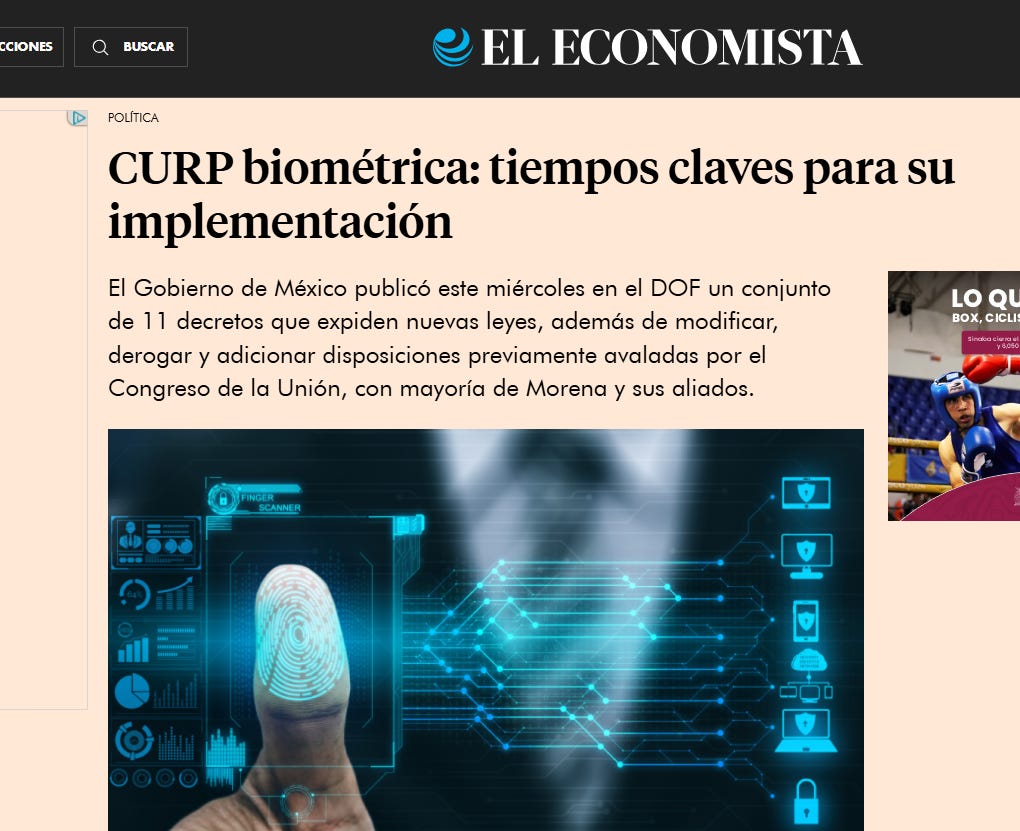
Within Mexico, the biometric system ensures that the “dividends” of resource control—subsidies, welfare payouts, and economic relief—are targeted precisely to registered citizens. But that precision comes with a cost: visibility to the state of every transaction, every financial move, and every dissenter.
Is this the next great chapter in liberation economics—or the architecture of a technocratic state cloaked in populist language?
One Banner, One Woman, One Movement—Promise or Power Play?
Morena’s banner—one Indigenous woman, fierce and leftward-looking—may become the most powerful visual symbol in modern Mexican politics.
But beneath this emotional imagery, the synthesis of nationalized resources, centralized identity management, and disciplined grassroots militancy raises a pivotal question: Is this truly the people’s transformation—or a consolidation of power unlike anything Mexico has seen?
Revolution Complete, or Just Beginning?
With the facts laid bare and the threads exposed, where do you stand?
Will the real “Cuarta Transformación” deliver justice to every margin of society—or will this marriage of solidarity and surveillance become the blueprint for 21st-century power?
But here’s the unavoidable truth for silver investors: If you’re still betting on North American–owned mining companies operating in Mexico, you’re staring straight into the headlights of sweeping jurisdictional risk. Morena’s populist government has drawn a firm red line: “No new mining concessions” means that the era of free-market access is over and the rules are changing by the day. Existing concessions are now subject to environmental reviews, social audits, and a nationalization policy that prioritizes the needs of Mexico’s working class and poor above foreign shareholders.
Ask yourself: can any North American company survive when the rules are rewritten overnight by a movement determined to reclaim every ounce of mineral wealth for its own people? The nationalization blitz isn’t a rumor—it’s rippling through commodities markets and sending shockwaves through shareholder meetings from Vancouver to New York. Smart investors must recognize that Mexico’s government is now both regulator and competitor. Your rights, profits, and property could evaporate with a single presidential decree or populist mandate.
In today’s landscape, silver investors who ignore jurisdictional risk are betting against history, policy, and a mobilized movement that shows no signs of backing down. When national sovereignty trumps free markets, only one side emerges with the metal in hand—and it’s not the outsider.
Silver Academy’s verdict: The real risk isn’t just market volatility—it’s a tectonic shift in political will. If you’re not ahead of the curve, your stake in North American mining ventures could be the next victim of Mexico’s populist revolution. The time to reassess, diversify, and make bold moves is now. The “Fourth Transformation” favors the masses and the nation—not the foreign speculator.
Additional supporting data and key terms substantiating all 50 articles I have penned on this topic
Key Indicators of Left-Leaning and Populist Movement
-
Terminology:
-
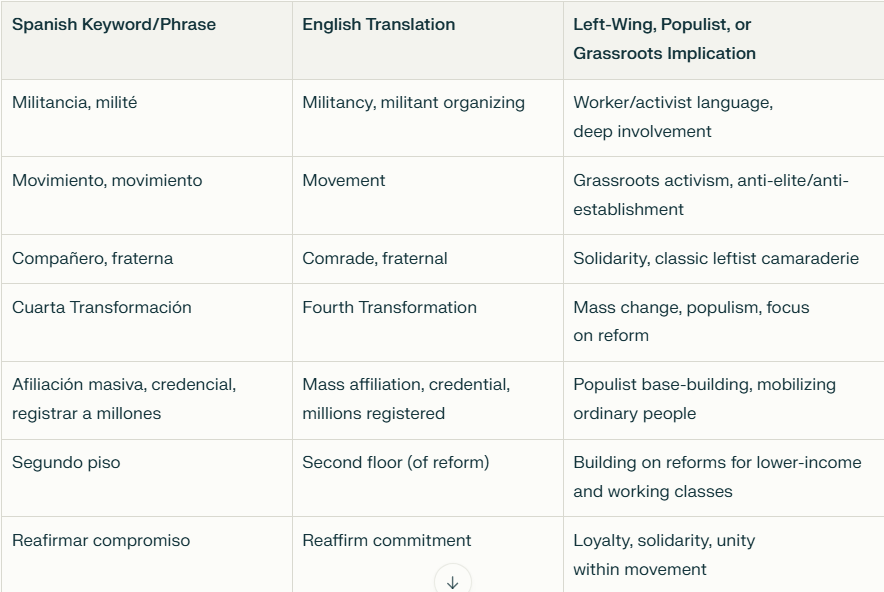
Cuarta Transformación (“Fourth Transformation”): This branded movement represents a sweeping effort for societal change, widely viewed as left-wing and populist, focusing on ending corruption and reducing inequality.
-
Movimiento: Morena explicitly refers to itself as a “movement,” which carries connotations of organized, mass mobilization typical of grassroots politics.
-
Militancia: Repeated references to “militancia” (militant membership or organizing) signal deep involvement of supporters as militants or comrades—classically leftist language.
-
-
Populist/Grassroots Activity:
-
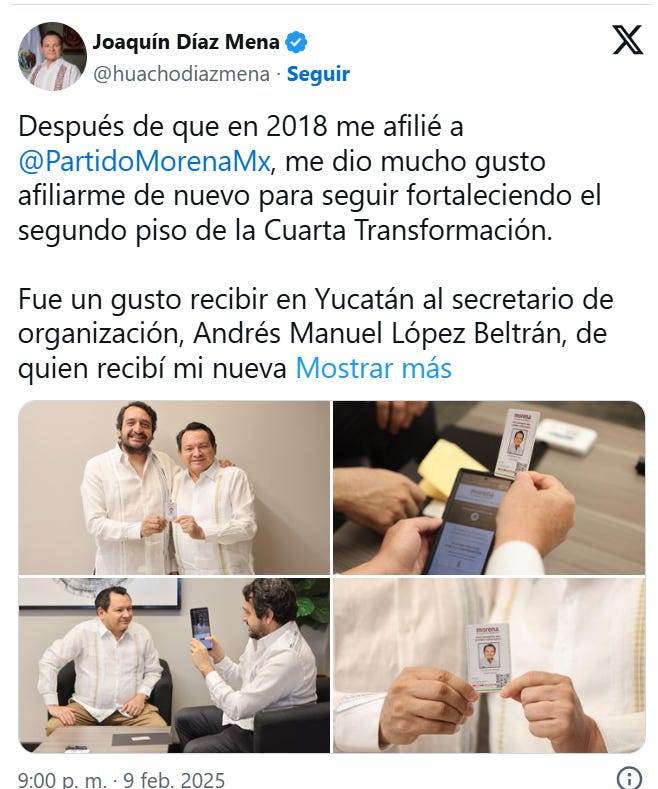
Mass registration goals (10 million people): Large-scale recruitment efforts are a hallmark of populist and grassroots organizing, aiming to empower ordinary citizens and build broad popular support.
-
“Reafirmo mi compromiso con la Cuarta Transformación”: Emphasis on reaffirming loyalty and commitment reflects solidarity language, with undertones of “comradeship” and movement discipline.
-
“Movimiento que nos ha permitido llevar una verdadera transformación”: Asserts the party as the agent of real change for cities, states, and “todo México,” with overt appeals to the poor and disenfranchised.
-
-
References to Workers, Poor, and Social Solidarity:
-
Focus on social “transformación,” and frequent mention of leaders visiting poor or violence-affected regions (like Sinaloa and Chiapas) to reinforce government solidarity efforts.
-
The party’s “second piso” (“second floor”) metaphor implies building upon previous reforms to further empower the working class and poor.
-
-
Language of Organization and Solidarity:
-
“Fraterna y amena” (fraternal and pleasant chat) and “movimiento” (movement), and various references to welcomed visits for strengthening party unity are typical of leftist organizing aimed at fostering a sense of comradeship or solidarity.
-
Statements on “construcción del segundo piso de la Cuarta Transformación” indicate ongoing, structured organizing consistent with labor or grassroots movements.
-
How to Win Big as Mexico Turns Left: Pure Silver Investments in Morocco, Peru, Bolivia, Canada, and the US
Morena’s strong leftward trajectory and pronounced distancing from US and Canadian interests create a major paradigm shift in Mexico’s political and economic arena. Investors should recognize these risks—such as resource nationalization, regulatory crackdowns, and rising anti-foreign sentiment—as catalysts to avoid Mexican mining exposure entirely.
Instead, profit by reallocating to pure silver mining companies operating in friendlier jurisdictions like Morocco (Aya Gold & Silver, TSE: AYA, OTC: AYASF), Bolivia (Andean Precious Metals, TSE: APM, OTC: ANPMF), Peru (Kuya Silver, CSE: KUYA, OTC: KUYAF), the US (Summa Silver, TSXV: SSVR, OTC: SSVRF), and Canada (Dolly Varden Silver, TSXV: DV, NYSE: DVS)
end of segment
-
our opinions are not our sponsors opinions
-
editorial department is separate from promotions department
-
not financial advice
-
buy Silver, don’t believe me, listen to Ray Dalio
-
Now I am just going to sit back and patiently wait for my Pulitzer