
Behind Closed Doors: How a Handful of Officials Quietly Steer America’s Financial Future
By Jon Forrest Little, Special to The Silver Academy, World’s only daily SilverNEWS
PITTSBURGH— On a brisk morning in Washington, the marble corridors of the Federal Reserve appear as quiet as any government building. But the decisions made inside these walls ripple outward, shaping mortgage rates in Pittsburgh, investment prospects in Albuquerque, and the cost of a loaf of bread everywhere in between.
Most Americans believe the nation’s central bank is a public agency, accountable to Congress and, by proxy, to the voters. The reality is less straightforward—and far less transparent.
Some context:
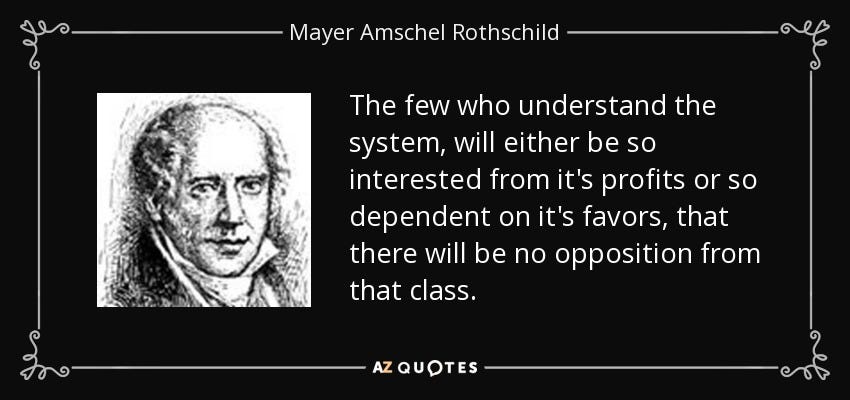
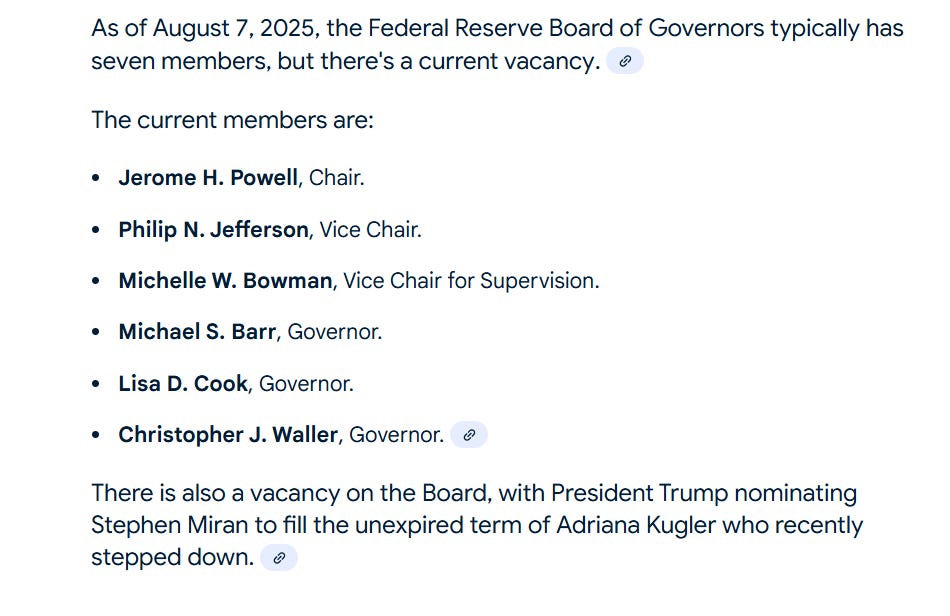
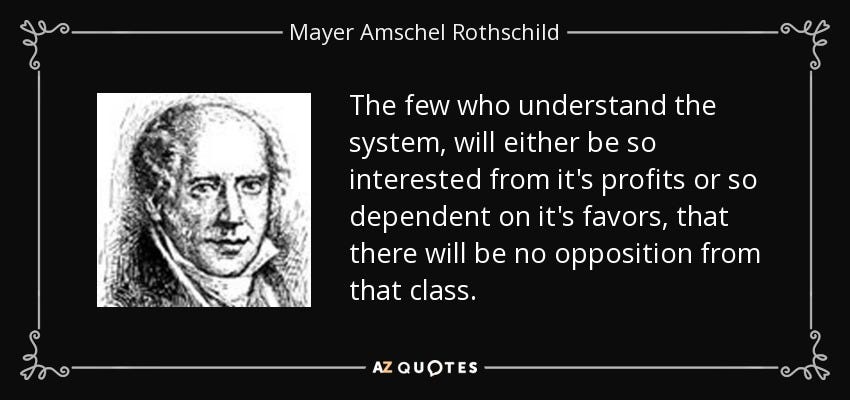
In the United States, seven Federal Reserve governors wield outsized influence—surpassing even the president, Congress, Supreme Court, and Pentagon. Why? Because, as Napoleon mused in exile, “the hand that gives is above the hand that takes.” These unelected officials control the currency spigot that underpins every corner of American life, from defense budgets to mortgage payments. The shadow they cast echoes the Napoleonic era, when money flowed to supply endless, ruinous wars. Mayer Rothschild’s famous insight applies today: “The few who understand the system, will either be so interested in its profits or so dependent on its favors, that there will be no opposition from that class”. In an age of unending debt and war, monetary power truly rules.
A System Like No Other
Created in 1913, the Federal Reserve’s origins lie in crisis. Panicked by a string of early-twentieth-century bank runs, Congress scrambled to create a central authority, hoping to stabilize the nation’s economy. What emerged was a hybrid: part federal oversight, part private enterprise.
“There isn’t anything else like it in American governance,” says Dr. Amy Friend, a former Fed policy adviser. “It doesn’t fit the mold of public agency, and it doesn’t behave like a private corporation. The result is a system that’s often misunderstood—even by the people it affects most.”
Who Really Runs the Fed?
Control rests with seven governors, appointed by the president to staggered 14-year terms—longer than any senator, longer than any president. These officials never campaign for public office, rarely face public scrutiny, and are insulated from the rapid swings of political power. Major decisions—interest rates, emergency bailouts, quantitative easing—are made behind closed doors, with meeting minutes released only after a lag and critical deliberations often redacted.
In congressional hearings, Fed chairs often sidestep direct questions about internal disagreements and stress the institution’s “independence.” Critics say that independence too often means unaccountability.
“Americans deserve to know who shapes the value of their savings and the fate of their jobs,” says Sen. Maria Benson (D-NM), a frequent Fed critic. “Right now, the decision-makers operate behind a veil.”
Ownership: An Empty Chair at the Table
The twelve regional Federal Reserve Banks are owned by member banks—private financial institutions, mostly on Wall Street and Main Street. By law, all nationally chartered banks must buy stock in their regional Fed; some state banks opt in as well. This stock cannot be sold, traded, or used as loan collateral. For years, it has paid a fixed 6% dividend, regardless of bank performance or Fed profits.
Consider the New York Fed—the linchpin of the system. In 2018, Citibank owned 42.8% of its shares, while JPMorgan Chase held 29.5%. Yet as shareholders, they remain nearly powerless. Each bank, regardless of its stake, receives only one vote in certain director elections. Decisions about national monetary policy are reserved for the Board of Governors in Washington, not the regional banks or their shareholders.
“People picture shareholder meetings like in corporate America,” says Lucia Martinez, a banking historian. “But at the Fed, stock is really more of a regulatory obligation than a source of power. It’s a fiction of ownership.”
Follow the Money (But Not the Process)
After accounting for salaries, dividends, and other operating costs, the Federal Reserve turns its surplus over to the Treasury. In 2023, that amounted to $76 billion. To some observers, this return is a sign of responsible management. Others say it distracts from the bigger concern: a system that manages trillions in public value with little real oversight.
The Fed’s own reports offer only partial transparency. Detailed notes of policy debates are withheld for five years. Meetings occur out of public earshot. Even the formula for setting the all-important federal funds rate can seem opaque to those outside the inner circle.
A Legacy of Secrecy
The institution’s secretive culture traces back to its founding at a private, off-the-record meeting on Georgia’s Jekyll Island in 1910. Powerful bankers and leading legislators designed a system that sidestepped Congress and offered banks a direct channel into federal policy. Congress, wary of unchecked financiers, ultimately imposed stricter oversight—but the compromise left private banks embedded deep within the Fed’s machinery.
“From the start, transparency was not a top priority,” Martinez notes. “Americans have always had to take the Fed largely on trust.”
Accountability—or the Absence of It
Though banks are required to keep 3% of their capital locked in Fed stock, their influence on the system is sharply limited. Meanwhile, Main Street businesses and ordinary households have no seat at the table—yet feel the impact of every decision, from interest rate hikes to emergency bailouts.
Today, critics on the left and right argue the system is overdue for reform. Some call for opening the Fed’s books, others for breaking its ties to Wall Street banks. Few question the necessity of a lender of last resort, but many demand one that answers to the public it was designed to serve.
Why It Matters
In a nation as divided as America, the Federal Reserve quietly wields more power over daily life than most federal agencies combined. Where it sets rates can decide which families buy homes, which businesses expand, and which banks survive.
Yet for all its influence, the Fed remains one of the least understood and most insulated institutions in public service. Until that changes, many Americans will have reason to ask not just who runs the Fed—but in whose interest it truly operates.
end of segment