Silver Star Resources History
Our History

History

World-Class Grades

Among Queensland’s Highest-Grade Historic Silver Producers

Historical reports describe Silver Spur as one of Queensland's highest-grade historic silver producers, with average mined grades around 800 g/t silver.

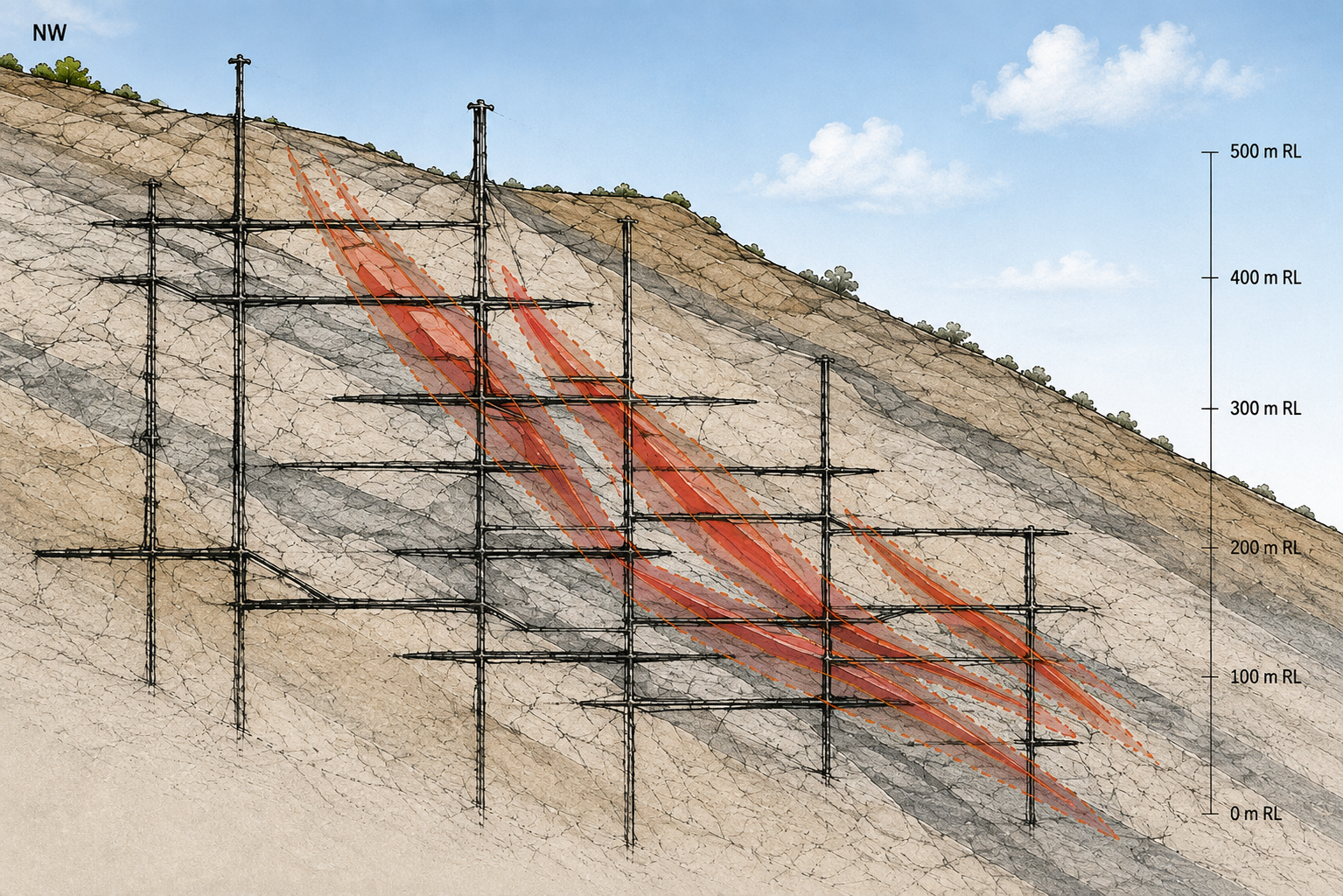
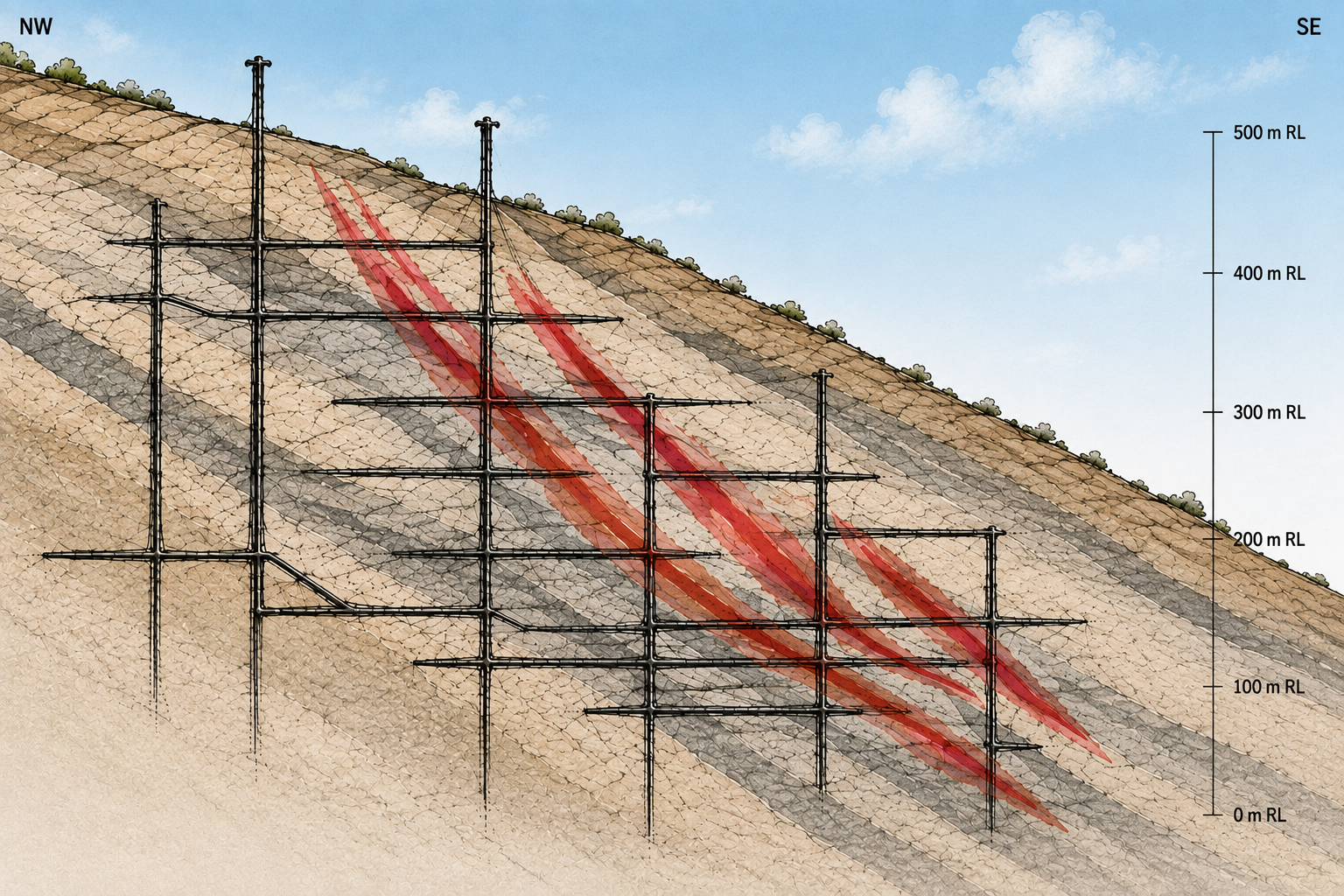
Historic mine plan showing high-grade silver shoots
800 g/t Historical Silver Grades
  • High-Grade Shoots (> 500 g/t Ag)
Geological Record

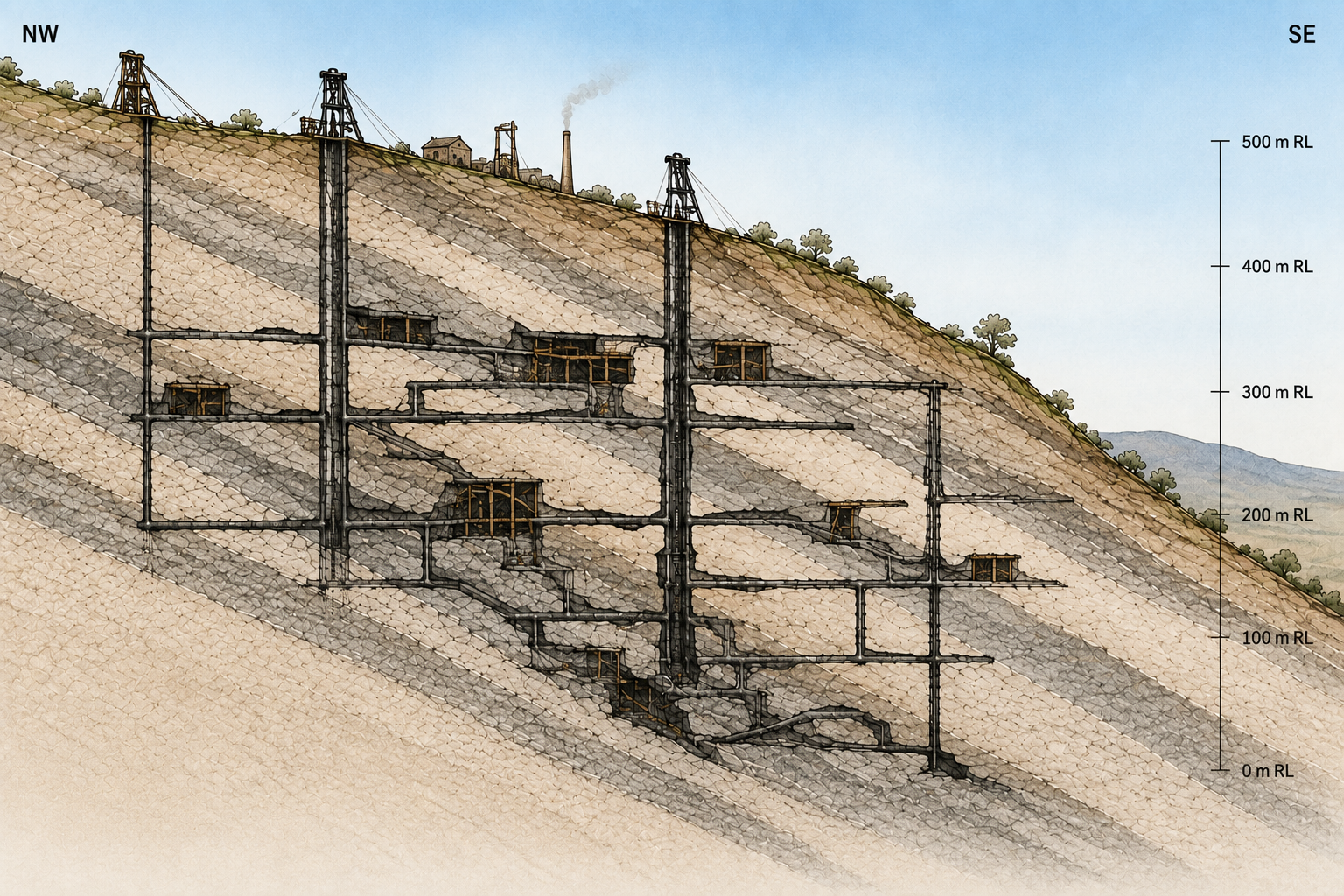
Underground Workings

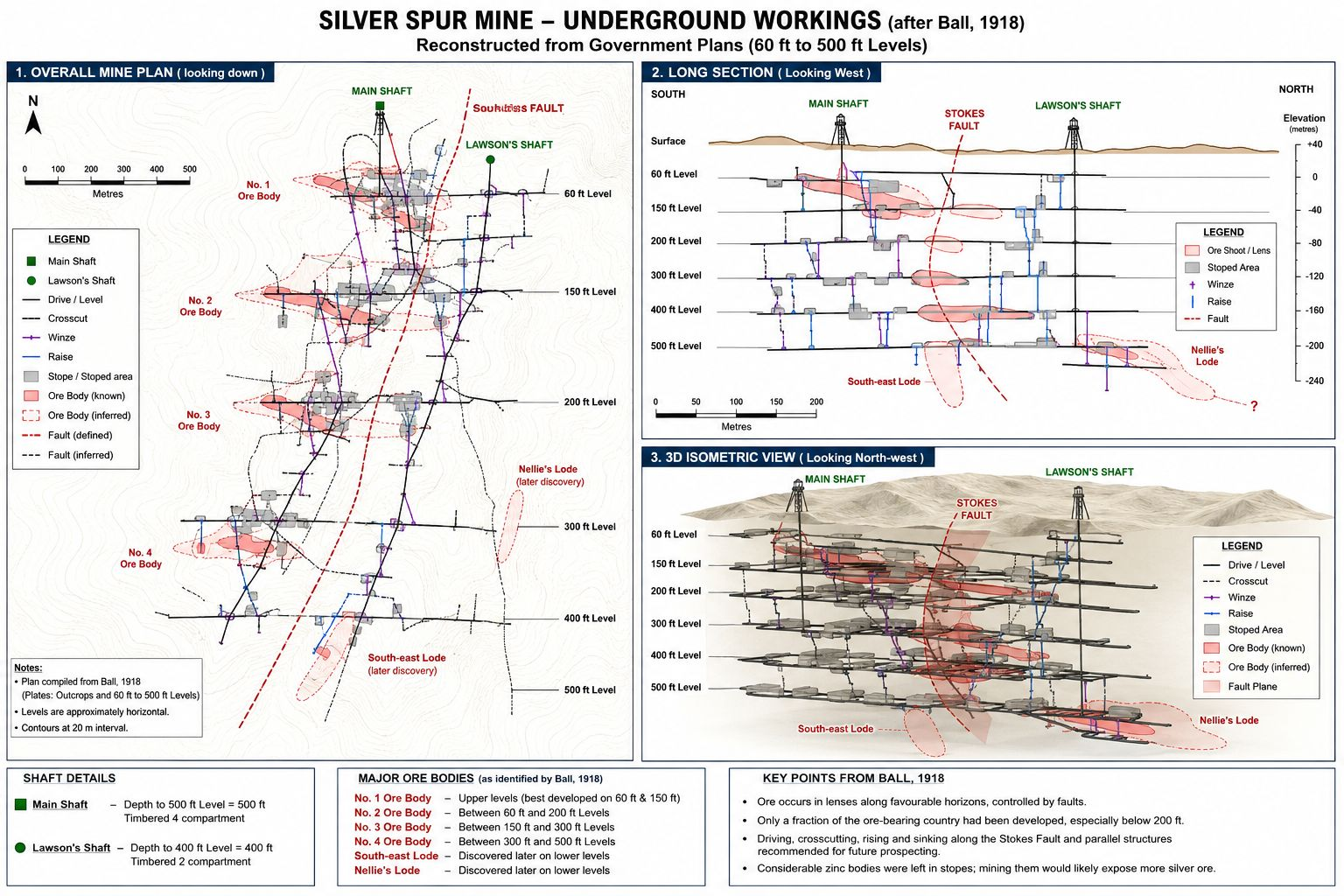
Historical underground mine plan reconstructed from government records (60–500 ft levels).
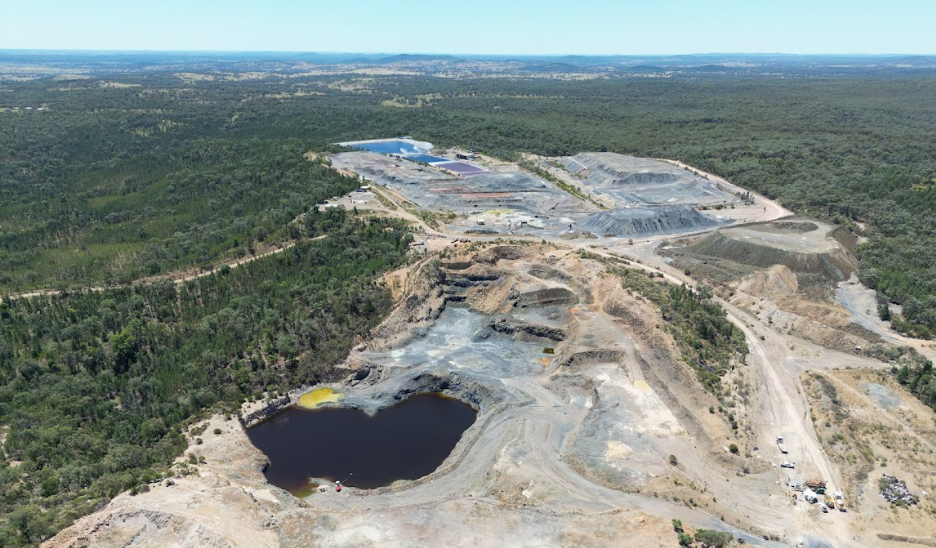
Silver Spur Mine
Silver Spur Mine — Underground Workings (after Ball, 1918). Overall mine plan, long section looking west, and 3D isometric view looking north-west. Scroll to view full diagram →
Levels Shown 60 150 200 300 400 500
Shaft Details
Main Shaft
Depth to 500 ft Level (500 ft).
Timbered, 4 compartment.
Lawson’s Shaft
Depth to 400 ft Level (400 ft).
Timbered, 2 compartment.
Major Ore Bodies
  • No. 1 Ore BodyUpper levels — 60 & 150 ft
  • No. 2 Ore Body60–200 ft
  • No. 3 Ore Body150–300 ft
  • No. 4 Ore Body300–500 ft
  • South-east LodeLower levels
  • Nellie’s LodeLower levels
Key Points
  • Ore occurs in lenses along favourable horizons, controlled by faults.
  • Only a fraction of the ore-bearing country had been developed, especially below 200 ft.
  • Driving, crosscutting, raising and sinking along the Stokes Fault and parallel structures is recommended for future prospecting.
  • Considerable zinc bodies were left in stopes; mining them would likely expose more ore.
References
Historical Source

Ball, L.C. (1918). Underground mine plans reconstructed from Queensland Government geological survey records, covering the 60–500 ft levels of the Silver Spur workings.

Levels are approximately horizontal; refer to original government survey documentation for full technical detail.