
The $1.5 Trillion War Budget That Ate Washington
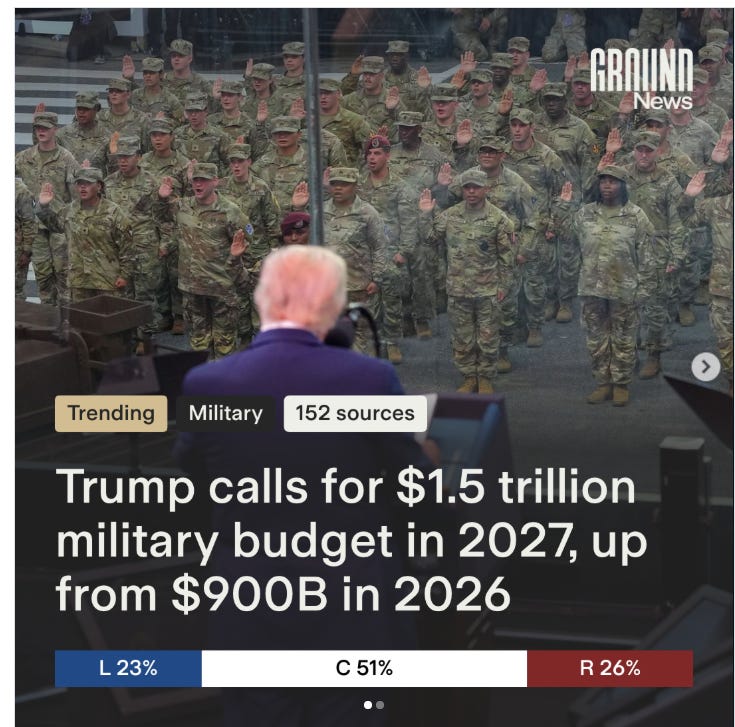
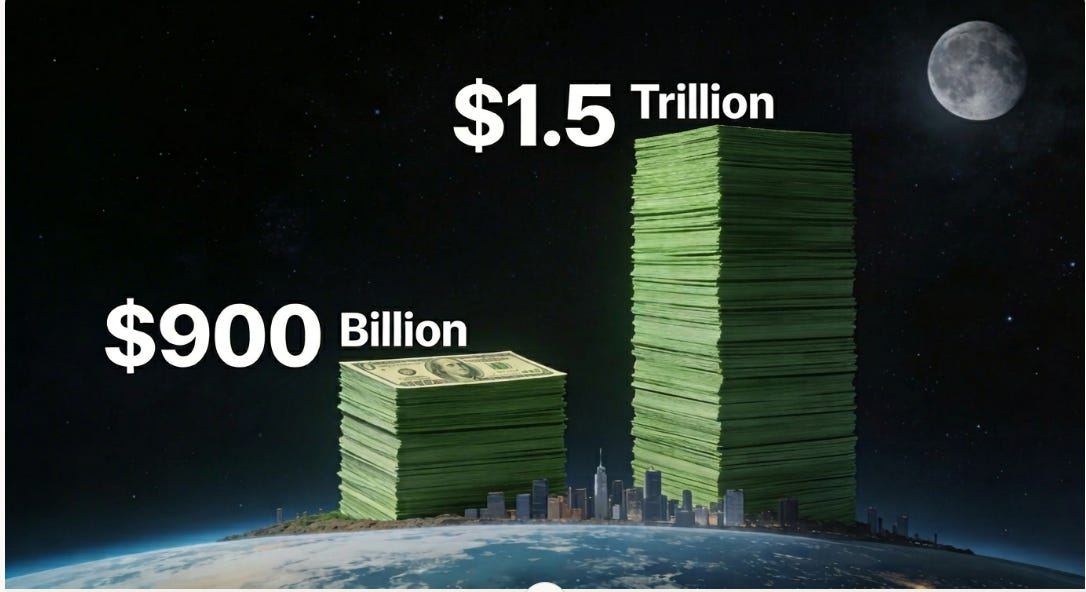
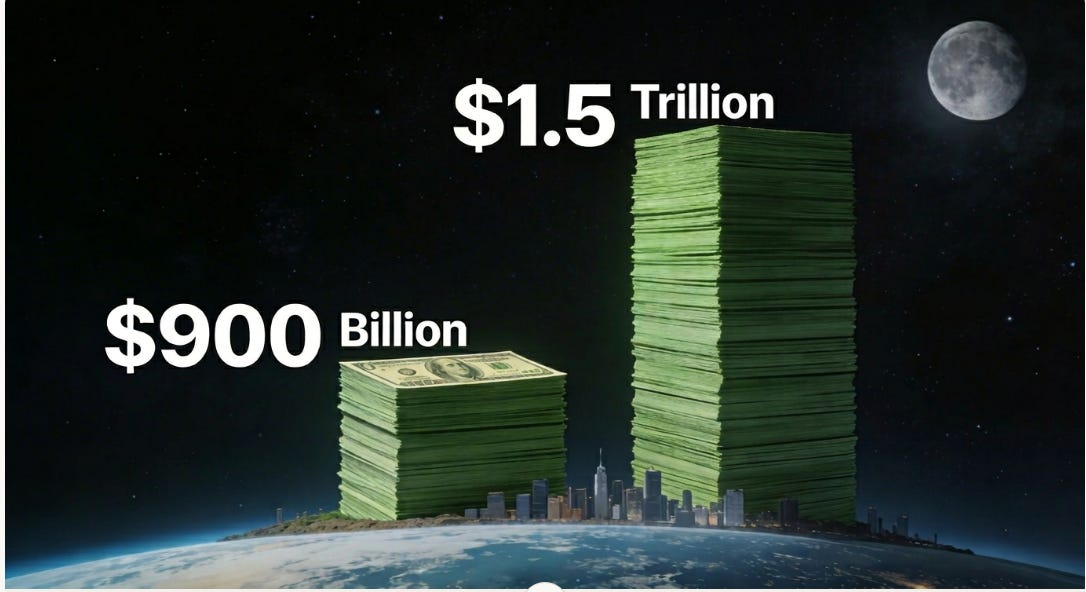
A month ago, the administration marched into Congress—first discreetly, then shamelessly—demanding an increase in what it insists on calling the defense budget, from nine hundred billion to a jaw-dropping one and a half trillion dollars. A six-hundred-billion-dollar surge on top of a base already larger than the combined military spending of the next eight nations, including China and Russia. This isn’t budgeting. It’s fiscal delusion disguised as patriotism—and it reeks of desperation.
The Iran Escalation and the $800 Billion Hole
No sooner had that request landed than the White House dove headfirst into a fresh confrontation with Iran, promptly asking for another two hundred billion to fund it. In one fiscal year, military spending expanded by eight hundred billion dollars, with no offsets, no tax reform, and no credible revenue source in sight. The math has gone nuclear, and the Treasury’s bookkeepers have run out of tricks.
When the Supreme Court Torched the Lifeline
The only supposed fix—the tariff scheme—just went up in legal flames. The Supreme Court ruled those taxes unconstitutional, and now the corporations forced to pay them are lining up to get their money back. That’s not new revenue—it’s negative cash flow. The Treasury now faces the perverse task of refunding the only income stream it had left.
Borrowing From the Bottom of the Barrel
Back to the bond market they go, hat in hand, to borrow another eight hundred billion dollars the country doesn’t have. But buyers are vanishing. America’s credit rating is decomposing, and the world’s creditors are growing allergic to U.S. paper. To sell that mountain of new debt, Treasury will have to bribe lenders with higher yields—translation: soaring interest costs and a guaranteed death spiral of borrowing to pay interest on borrowing.
The Bond Market Smells Blood
Markets have already called the bluff. Within forty-eight hours, the odds of a Federal Reserve rate hike shot from zero to more than twenty-five percent. The fantasy of lower rates has died an unceremonious death. The President can rant about his own Fed chair all he wants; the bond market doesn’t take orders from politicians—it prices reality. And reality says the United States is out of tricks.
Oil, War, and Imported Inflation
Meanwhile, the war in the Middle East is pumping gasoline straight into the global inflation engine. Energy keeps getting pricier, and every uptick in oil bleeds through supply chains, guaranteeing another inflation surge. The consumer gets squeezed, the Fed can’t pivot, and any hope of a monetary escape hatch is gone.
The Polite Word Is Stagflation. The Real One Is Collapse.
This is the classic imperial endgame—stagnant growth, soaring prices, and unpayable debt. The economists are dusting off the old 1970s vocabulary, muttering about “stagflation.” But that word is too gentle. The Treasury isn’t under strain—it’s insolvent. This is fiscal rot wrapped in the flag, a superpower borrowing to survive one quarter at a time, printing money to fight wars it can’t afford, and pretending all the while that this is stability. It’s not. It’s the slow, televised bankruptcy of empire.
So what should we be doing?
Buying silver from SprottMoney.com makes sense because fiat currency can be printed endlessly, conjured out of thin air, while silver is a finite metal on the periodic table of elements. It is the most reflective and best conductor of electricity, essential to modern industry and technology.
Throughout history, silver has resurfaced as real money during monetary crises. It cannot be debased, printed, or digitally erased.

our opinions are not our sponsors opinions, the editorial department is separate from the promotions department, not financial advice