
In the bitter winter of 1870, as Prussian forces encircled Paris and commerce ground to a halt, French merchants invoked an unfamiliar phrase—force majeure. Contracts for coal, wheat, and rail shipment were nullified by cannon fire, not choice. The term, born from civil law, captured a nation’s surrender to chaos beyond intent. Today, that same legal ghost resurfaces—this time not amid siege walls, but amid ruptured pipelines and vanishing silver vaults.
Qatar Declares Force Majeure on LNG Contracts Amid War Damage
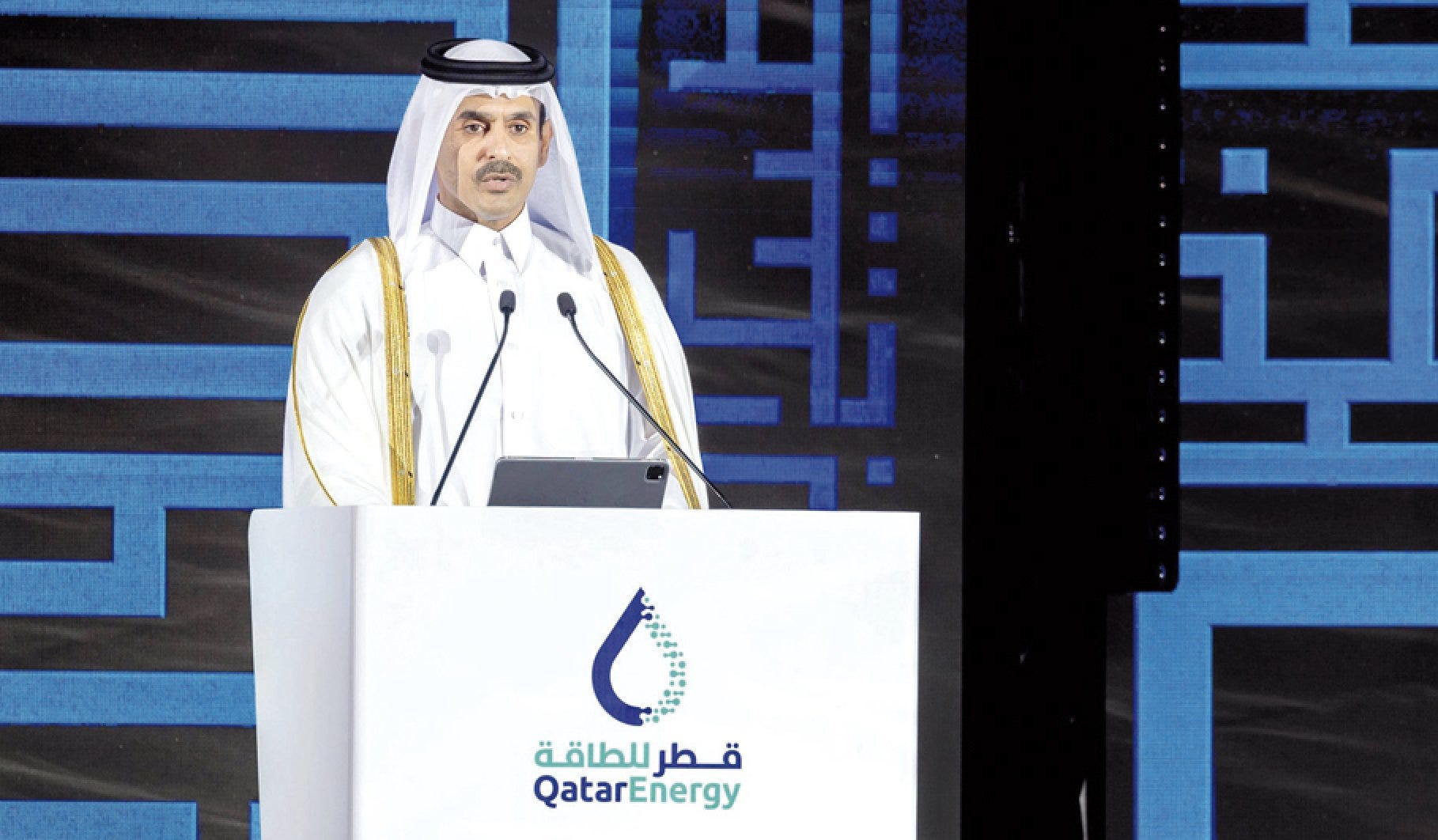
In a major disruption to global energy markets, Qatar has declared force majeure on long-term LNG contracts to Italy, Belgium, South Korea, and China—potentially for as long as five years. The announcement follows devastating damage to the country’s crucial Ras Laffan facilities after Iran’s attack earlier this week.
In an exclusive interview with Reuters, Qatar’s Energy Minister and QatarEnergy CEO confirmed that the impact is far worse than initial reports suggested. According to the minister:
-
2 of 14 LNG trains sustained significant damage
-
1 of 2 GTL (gas-to-liquids) plants is inoperative
-
12.8 million tonnes per year of LNG production is offline for 3–5 years
-
That represents 17% of Qatar’s total LNG export capacity—equivalent to $20 billion in annual lost revenue
-
Estimated facility damage: $26 billion
The minister, clearly frustrated, said the sites “should not have been attacked.” With Trains S4 and S6 (co-owned 30% by ExxonMobil) now offline, production cannot resume until regional hostilities end.
The fallout extends beyond LNG: Qatar’s condensate exports are down 24%, LPG by 13%, naphtha by 6%, sulphur by 6%, and helium by 14%.
For buyers in Europe and Asia, the move means suspended contracts and a frantic race to procure replacement cargoes on the spot market. Italy, Belgium, South Korea, and China—once tied to stable Qatari supply—must now compete head-to-head for scarce global LNG, bidding against one another and every other desperate importer.
Analysts note that only the United States currently holds sufficient export capacity to partially offset the sudden shortfall. Global LNG prices are already spiking in early trading.
The shock in Qatar’s natural gas sector offers a chilling analogue for what could unfold in precious metals markets. Just as the sudden loss of LNG capacity exposed fragile dependencies in global energy flows, a disruption in physical silver availability would expose the same structural weakness in the financial system.
Both markets rely on the illusion of infinite deliverability—contracts assuming supply will always exist. When war or scarcity prove otherwise, the paper promise collapses. The Qatar crisis demonstrates how force majeure transforms from a contractual clause into a systemic contagion, erasing trust, seizing liquidity, and redrawing the map of global trade.
What Force Majeure could look like in the Western Silver markets
COMEX declares force majeure after physical silver inventories vanish from registered vaults.
-
Traders who “stand for delivery” face cash-settlement only, igniting panic and lawsuits.
-
Bullion banks scramble to source metal but premiums explode, exposing paper-physical disconnect.
-
Industrial users hoard remaining supply, squeezing refiners.
-
ETF redemptions spike—trust in paper silver evaporates.
-
Retail stackers become price makers as spot dislocates from futures.
-
Central banks intervene to “stabilize” markets, freezing bullion trades.
-
Confidence shock cascades into gold, copper, even Treasuries.
-
Outcome: systemic trust break, birthing a new physical-only silver market standard.
our opinions are not our sponsors opinions, the editorial department is separate from the promotions department, not financial advice