
In 1453, after the fall of Constantinople, envoys from the weakened Byzantines’ old Western allies—chiefly Venice—sought favor from the ascendant Ottoman Empire.
Barely decades earlier, Venetian fleets had plundered Constantinople during the Fourth Crusade in 1204, stripping its relics and treasures while leaving Byzantium crippled. Now, as Venice looked warily at Ottoman expansion, they approached Sultan Mehmed II as supplicants, seeking trade protections and peace. But the Ottomans remembered the treachery of Christendom and treated Venice coldly, granting terms only on their own rigid conditions. The tables had turned—an old oppressor now found itself begging at the victor’s gates.
This is the same script today, follow me on this my friends.
Today Mexico (a “former” colony of the West) India (a former colony of Great Britain) and other underdogs are banning together using Gold and Silver as their trade currency while the US, Europe remain tone deaf and not seeing what is happening behind the scenes.
Why do you think Mexico said “NO NEW MINING CONCESSIONS”
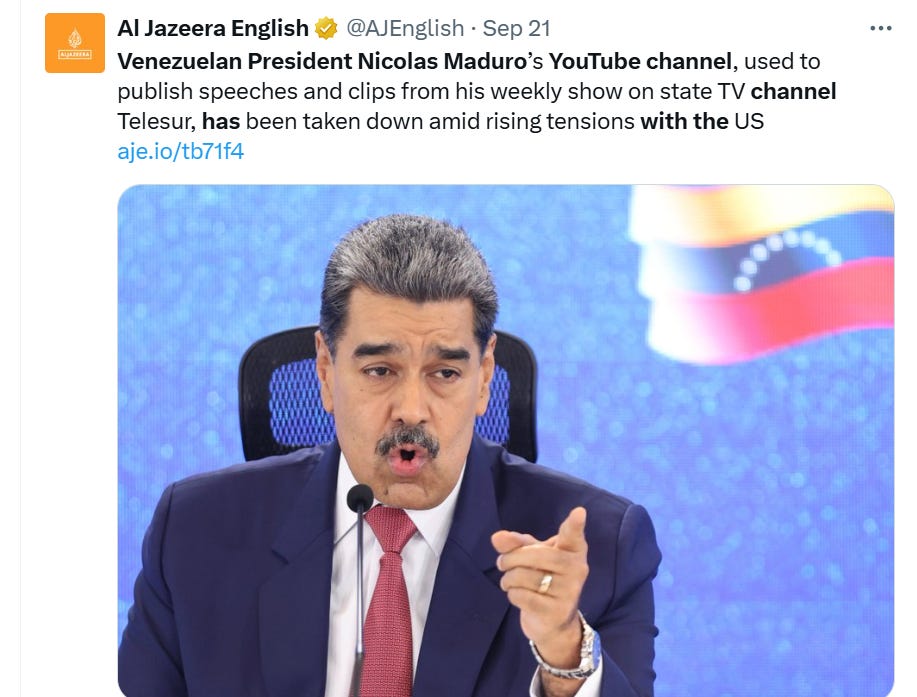
Today when YouTube cancelled Venezuela’s channel , well , this will backfire spectacularly , such a petty and unnecessary mistake of Google (Trump ass kissers) – see below
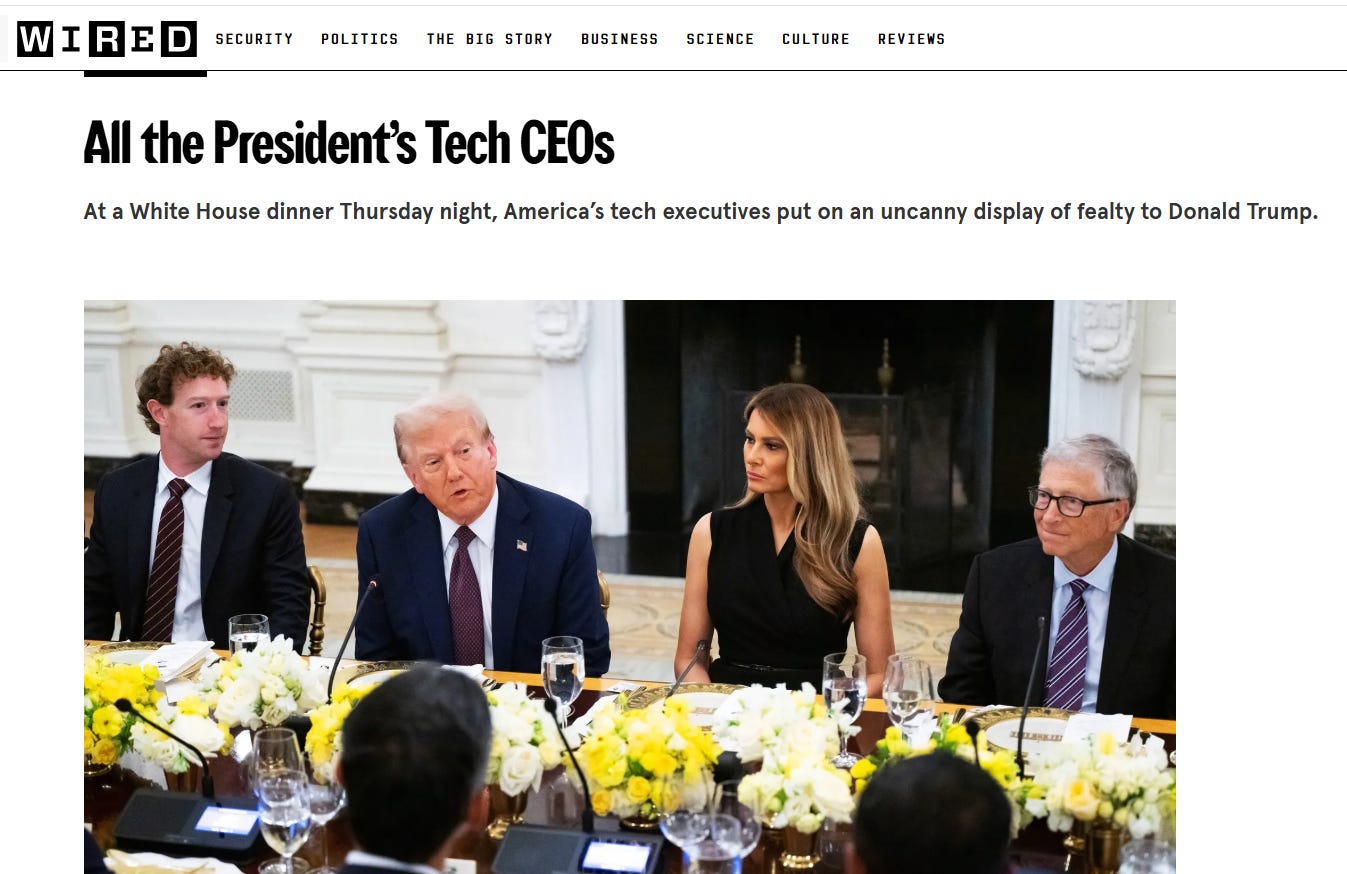
Boot licking Silicon Valley will backfire bigtime.
The market is precarious because the Magnificent 7 stocks account for over 35% of the S&P 500, making the entire market—and many pension funds—vulnerable if these giants stumble. Their valuations, often trading at price-to-earnings ratios above 38x versus what was once 10x customary. These tech stocks are so inflated relative to actual earnings growth. This distortion risks erasing retirement savings if tech-driven momentum fades. They will fade, just this morning we penned an important article on how Nvidia is basically buying their own chips, LMFAO.
Top tech leaders gathered in the Rose Garden for President Trump’s high-profile dinner, where a stunning display of deference unfolded. Mark Zuckerberg, Bill Gates, and Tim Cook, along with other Silicon Valley titans, took turns lauding Trump’s leadership, with Zuckerberg pledging $600 billion in future U.S. investment. The event, criticized as a cringe-worthy show of tech “worship,” highlighted Silicon Valley’s strategic efforts to realign with the White House. As CEOs vied for the President’s attention, the spectacle symbolized not just a political partnership—but tech’s willingness to publicly abase itself for influence and regulatory favor
Incidents (once is happenstance, twice a coincidence, thrice a pattern right?)
The U.S. has issued a $50 million bounty on Venezuelan President Nicolás Maduro, charging him with drug trafficking, which Venezuela calls a regime change ploy.
-
U.S. warships—including missile destroyers and amphibious assault ships—have been deployed to the Caribbean near Venezuela, marking the largest naval buildup in decades and raising fears of invasion.
-
In September 2025, U.S. strikes on Venezuelan boats killed at least 11 civilians in one attack, with further strikes resulting in a total of 17 casualties; the U.S. claims the vessels were used by drug cartels, but evidence is disputed and Venezuela denounces the killings as “heinous crimes” against civilians.
-
the U.S. bombed a fishing boat and other vessels, killing unarmed fishermen and civilians, while American officials insist the targets were narco-terrorists, sparking international legal and human rights concerns. Is Narco-terrorists the new “they have weapons of mass destruction” ?
-
The Trump administration maintains the campaign targets “violent drug cartels,” but Maduro accuses the U.S. of waging an undeclared war and provoking Venezuela into military escalation, prompting Venezuela to launch military exercises and militia training in response
-
Trump’s rhetoric against Mexico and Venezuela pushes both Mexico and Venezuela into China’s loving arms
Now back to Silver, but understand this opening is important because Mexico is #1 producer of Silver and their cultural identity is linked to distrust towards ANGLO CULTURE (precisely because they feel like USA colonizes Latin America)
Silver is on the edge of a historic, paradigm-shifting explosion—one poised to dislocate markets, redraw geopolitical maps, and shatter the long-held boundaries between industry, energy, and national security. The facts below are not just headlines; they are the sirens of a new monetary and technological era, ringing out as silver eyes a 17-fold surge when measured against today’s monetary flood—a realignment with precedent in the 1970s and urgency in the atomic heart of today’s global showdown.
Silver Redefined: America’s Critical Wake-Up Call
In August 2025, the United States shocked the world by proposing to add silver to its official Critical Minerals List, elevating the metal to the same must-have category as lithium and rare earths. This bureaucratic shift is more than symbolic—it catalyzes federal support, procurement, and legislative muscle aimed at securing supply, rebooting mining on home soil, and insulating the country from structural deficit and external manipulation. If silver becomes officially critical, it arms the White House, Congress, and the Pentagon with sweeping powers: strategic purchases, bullion stockpiling, subsidies for mines in Alaska, New Mexico, Colorado, Arizona, Nevada and Idaho, and even military or trade interventions wherever supply is threatened.
But really, let’s not do any early celebration. I prefer NOT UNCLE SAM messing things up. I trust my friends in the mining business more than I trust US bureaucrats “meddling and muddying” things – Don’t you?
The American Silver Dilemma: Import Dependency Meets National Security
Despite the fanfare of policy, reality bites: 89% of US silver is still imported, mainly from Mexico, Chile, and Peru. New mines may be years away, making America’s immediate future a race for foreign supply—at exactly the moment global rivals are hardening their own access. Domestic mining, while politically irresistible, is a long haul; in the short term, the U.S. faces dependency and price vulnerability, a paradox that could force desperate policy pivots or diplomacy-by-force.
Latin America: China Moves In, American Leverage Fades
The US has every reason to lean on its southern trade partners, but in a twist worthy of a Cold War thriller, China is already deeply embedded in these supply chains. From the mines of Zacatecas to the ports of Lima, Chinese capital, contracts, and diplomacy reign. Recent diplomatic gaffes and saber-rattling from President Trump have only muddied the waters, prompting Mexico and Peru to open the door further to Chinese overtures, and leaving Washington’s influence undermined at a critical hour. Circle back to the top of this article to see how Trump regime shot themselves in the foot (again)
Europe: The Green Deal’s Achilles Heel Exposed
If there’s a loser in the new silver order, it is Europe. The continent has scant indigenous supply of silver, depending almost entirely on imports—the very imports that America’s policy muscle and China’s economic gravity are set to squeeze. From photovoltaic solar panels to electric vehicles and advanced electronics, the Green Deal runs on silver. Shortages and soaring prices threaten the grand decarbonization agenda, making Europe the “scraps” market, vulnerable to both technological stagnation and inflationary spirals.
Silver’s Geopolitical Metamorphosis: From Commodity to National Asset
The market is already mutating. As central banks stack silver alongside gold, and as sovereigns quietly accumulate physical metal, silver’s spot price has gone vertical, dealer premiums disconnected from benchmarks, and LBMA inventories drawn down by nervous, delivery-focused buyers. Silver is no longer merely a commodity; it is now a chess piece—one with direct implications for the security and sovereignty of governments.
China’s Strategic Bet: Silver Bloc and Supply Domination
Beijing, the master of commodity leverage, holds not only the world’s largest production but also the lion’s share of industrial demand. In the background, China is restricting exports, building stockpiles, and cementing control over trade flows, potentially earmarking silver for BRICS or friendly states. In the new “Silver Bloc,” China emerges as the dominant player—a geopolitical winner with both resource and policy superiority.
For Stackers: Insurance Against the Storm
This tectonic realignment has lit a fire under silver stackers in the US and Europe. In the US, domestic policy may eventually fortify supply, but the road is rocky. In Europe, physical silver is becoming a rare and precious insurance against scarcity and financial repression. In both cases, stackers emerge not just as speculators or investors, but as prudent guardians of personal and national sovereignty.
India’s Silent Silver Revolution: Rajesh Exports and National Security
While the West wrangles and China maneuvers, India’s hidden play is nothing short of revolutionary. The public knows Rajesh Exports as a jewelry behemoth, but far fewer know the company’s secretive pivot: leveraging its fortune and know-how to manufacture advanced batteries, including game-changing silver-zinc chemistries for military and energy use, under India’s ambitious PLI program. Though wracked by delays and some scrutiny, the plan is clear: turn India from dependent buyer to sovereign producer, future-proofing its defense and critical infrastructure against external chokeholds.
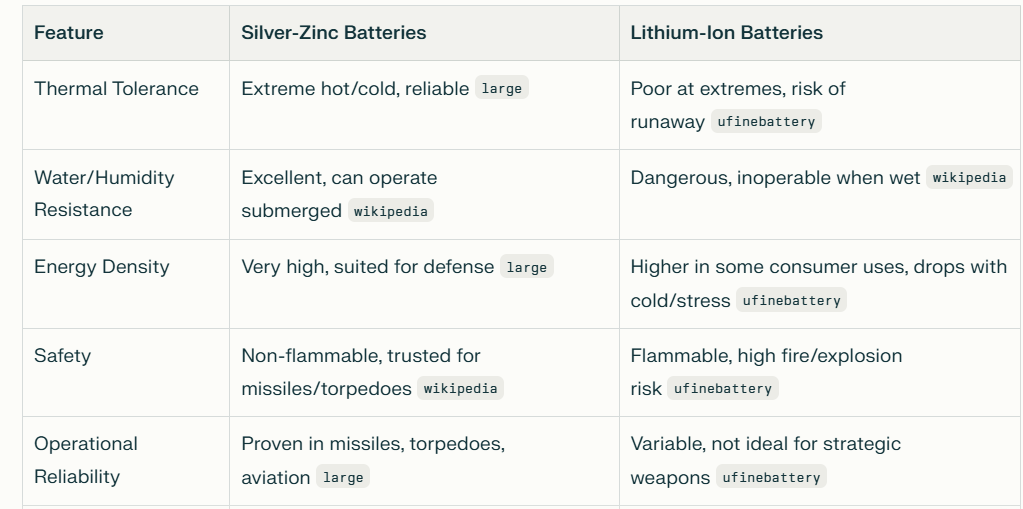
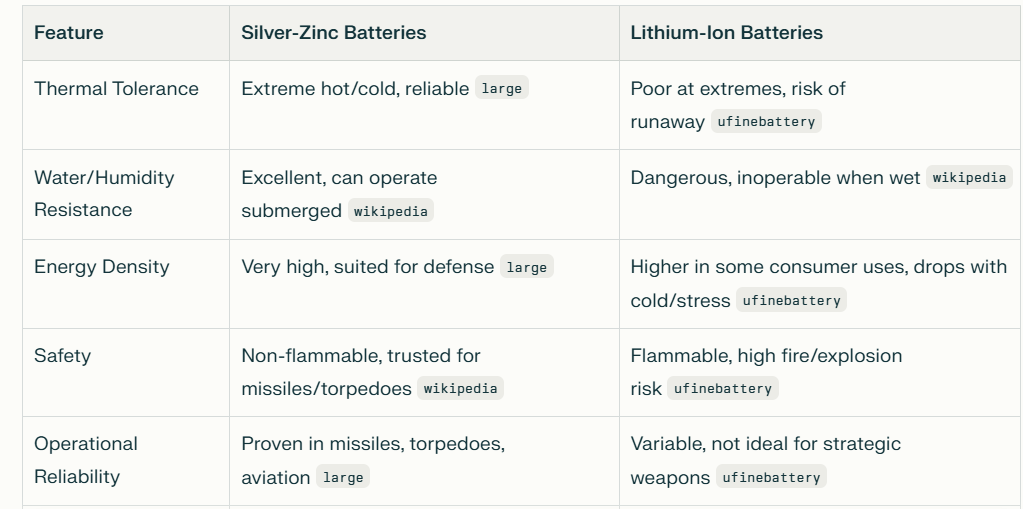
Silver-Zinc vs. Lithium-Ion: The Battery War That Matters
Most consumer batteries are still lithium-based—high energy, but fragile, flammable, and limited in hostile environments. For national security, the calculus is different: silver-zinc batteries offer unmatched thermal tolerance, water resistance, and reliability under extremes, making them indispensable for torpedoes, missiles, satellites, and field systems. India’s bid to lead in silver-zinc battery tech is as much about securing the energy future as it is about resisting the geopolitical squeeze.
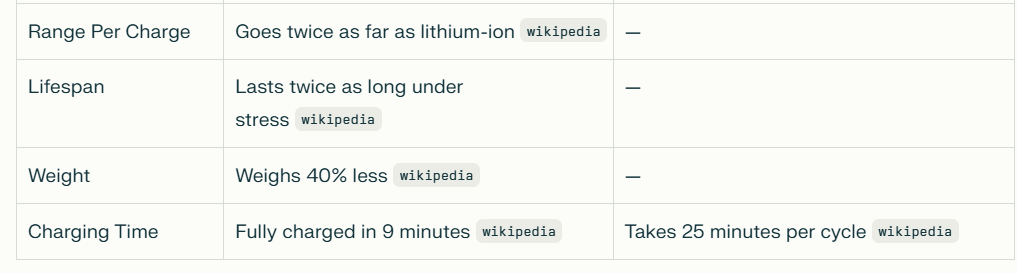
The Silver Shock: Why 17X Is Just the Beginning
A singular fact haunts this moment: if silver’s price is recalculated against today’s global money supply, the historic shortages, military demand, and sovereign hoarding, the number is staggering: an adjustment echoing the last great revaluation can propel silver 17-fold higher—catapulting it from today’s $45 to over $700 an ounce, rewriting the narrative, and inverting the very logic of global finance.
Conclusion: The Most Explosive Repricing of Our Lifetime
The fuse is lit. Silver—once the industrial underdog—has crashed through technical resistance, ignited historic buying, and forced the world’s greatest powers to admit, at last, that control of the metal means control of the future. The only question left is: when the dust settles, who will hold the silver, and who will pay any price to get it?
end of segment
How to play these FACTS
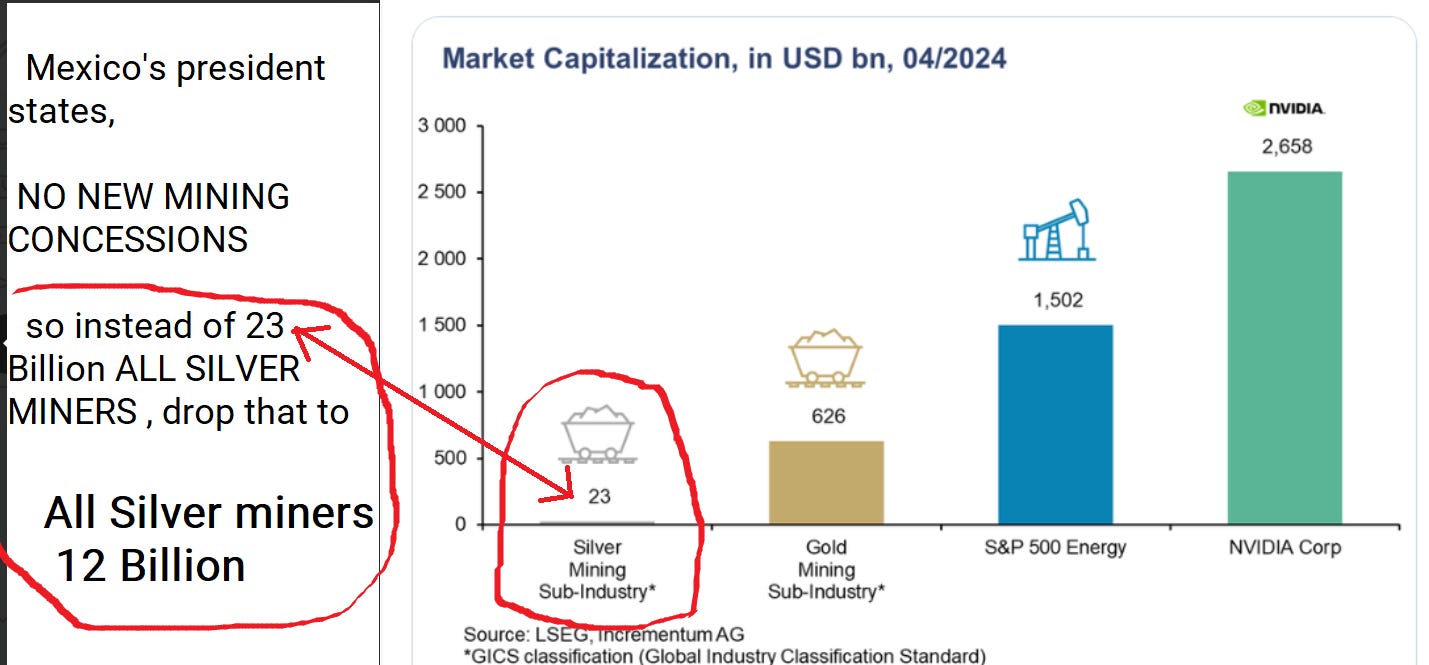
Go with the miners that have no exposure to the intensifying geopolitical risks emerging such as:
– China courting Latin America to join BRICS
– Mexico being held to their word that their mineral resources belong to their citizens
– Recall the rallying cry of Morena party which is, “Mexico must secure its Energy Future”
– Mexico understanding that as silver rises so does their leverage on USA (who has treated them poorly , in their view) and now that USA department of interior has admitted they need the silver the US is in a very bad bargaining position relative to Mexico.
– If there was only one incident in Mexico in the last decade we would report “once is happenstance” but there have been numerous, partial list below,
We have a list of the miners that are immune to Mexico’s jurisdiction risk in this article below
-
our opinions are not our sponsors
-
editorial department is separate from promotions department
-
not financial advice