
Every serious investor must grasp this rule: Major market stress always erupts before historic surges in silver prices—those who ignore the clues risk missing generational fortunes. If you’re standing on the sidelines, or holding only paper claims instead of real exposure, now is a moment of reckoning. The latest turn in silver swaps—a plunge so severe it hasn’t happened since the turn of the century—demands your attention, your action, and your capital.
Unmasking the Calm Before the Silver Storm
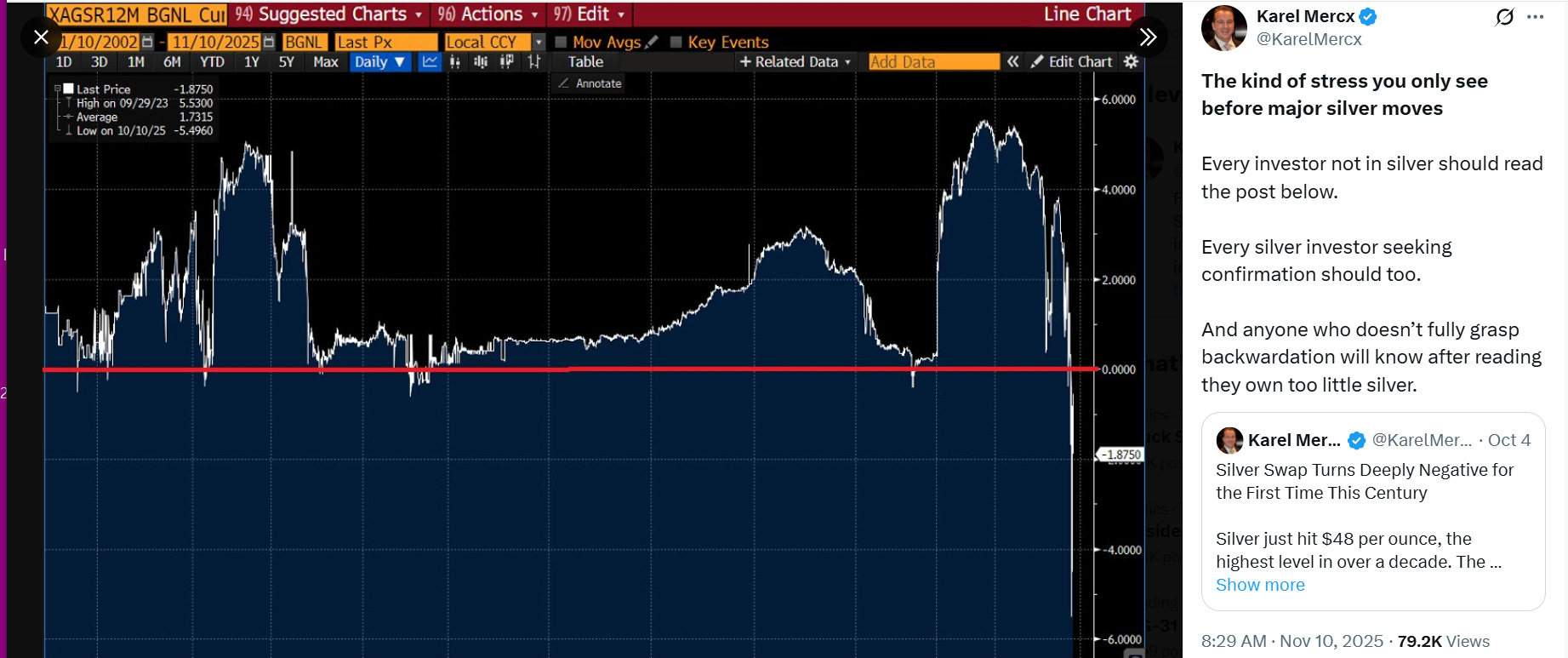
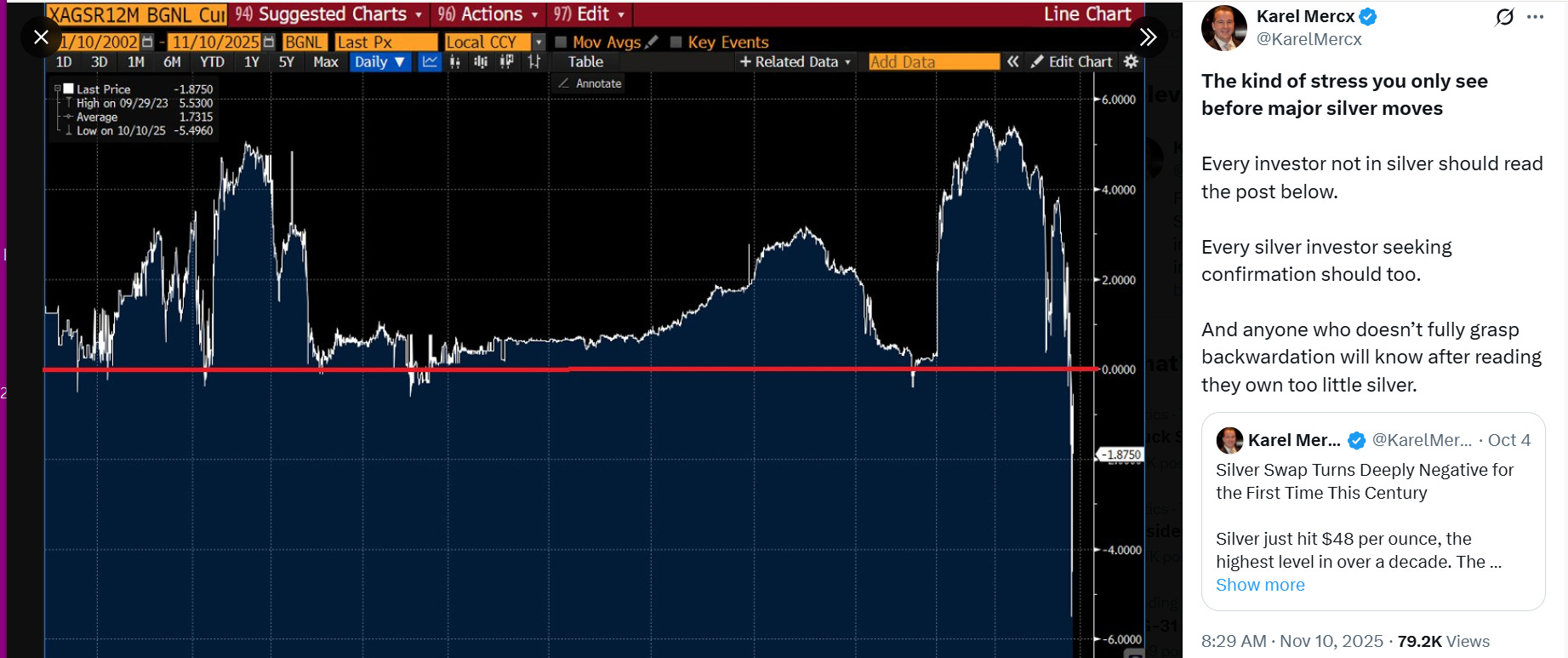
Calm markets lull investors into inaction, but it’s the sudden reversals, the severe strains in core financial plumbing (like the silver swap rate) that reveal when the next huge move is coming. The facts are clear: Silver just powered past $48 per ounce, a level not seen in more than a decade, and this jump is fueled not by speculators peddling hype, but by relentless physical demand. When everyone from industrial manufacturers to sovereign buyers is clamoring for delivery, paper promises no longer suffice. The urgency is real—a stress test that always precedes the next explosion in price.
How the Silver Swap Rate Warns of Scarcity
Here’s why nearly every investor needs to stop and rethink: The silver swap rate, a behind-the-scenes heartbeat of the metal trade, connects the global flow of silver between giant banks, producers, and users. Traditionally, with high US interest rates and the creature comforts of secure vaults, swaps “should” trade positive—meaning the price of silver for future delivery is above the spot price, after accounting for interest and storage costs. That’s how the market usually works.
But not today. The London 12-month silver swap rate has fallen to a deep negative: –1.7%. What does this mean in plain English? The physical market is so painfully tight—so starved for immediate delivery—that investors accept steep penalties just to get their hands on actual metal. When the cost to borrow dollars and pay for vaults becomes irrelevant, and the market starts moving real, heavy bars across continents, backwardation rips open: Spot becomes more expensive than the future, warning of a scramble for supply.
Backwardation: The Signal Most Investors Miss
Backwardation isn’t just a technical term—it’s the fire alarm that most silver investors fail to understand. In normal times, “contango” rules: futures trade above spot because carrying silver costs money. But today, backwardation screams physical scarcity. This doesn’t just hint at higher prices—it shouts it.
Why? Professionals are now paying up—even enduring the pain of storage, insurance, and risk—to own real, deliverable silver rather than wait for uncertain future promises. If silver is difficult to borrow or exchange, demand overwhelms supply, and it’s usually followed by violent price spikes. Every previous backwardation event in precious metals has foreshadowed a bull market—sometimes a vertical one.
The Call to Action: Buy Silver Miners Now
If you claim to understand silver, you must act. The era of cheap, easy metal is over.
Do not settle for promise notes or ETFs alone. Physical silver is tight, vault space is running low, and billions seek safety, not speculation.
But here’s the best leverage: silver mining equities. History shows that when physical supply dries up and backwardation grips the market, miners explode in value—far outpacing the underlying metal. These companies own what the world desperately wants. They control new supply, and every ounce they produce becomes exponentially more valuable in a crisis.
Today’s swap rate shock is your chance. Build positions in high-quality silver miners before the rest wake up—before the scramble for metal turns into a frenzy. Demand delivery. Demand exposure to silver in the ground. Take action now, because the kind of stress flashing in the swaps is not a reason to wait. It’s a reason to buy, to double-down, and to ride the storm toward the next silver high.
Invest in silver miners that are pure silver plays, not mines where silver is produced as a byproduct.
For now, avoid Mexico as a jurisdiction.
The Trump administration is stoking way too much negative emotion towards Mexico’s Morena party which is signaling it wants to “take 100% control of their Energy Future” and that “Mexico’s mineral resources belongs to its people”
Silver Academy endorses these three companies:
-
Aya Gold and Silver (OTC: AYASF) is a rapidly growing pure silver producer focused on its flagship Zgounder Mine in Morocco. The company has consistently increased resources and is recognized for its exceptional silver recovery rates. Aya is one of the few TSX-listed companies with silver as its primary metal.
-
Andean Precious Metals (OTC: ANPMF) operates the large-scale San Bartolomé Mine in Bolivia, positioning itself as a major player in primary silver production. The company has achieved record quarterly revenues and maintains strong financial discipline, making it a standout among global silver miners.
-
Kuya Silver (OTC: KUYAF) is focused on developing high-grade silver projects, notably the Bethania Mine in Peru and the Silver Kings project in Canada. Kuya boasts premier exploration potential and is committed to advancing primary silver assets with seasoned leadership and a clear growth strategy
end of segment
-
our opinions are not our sponsors opinions
-
editorial department is separate from promotions department
-
not financial advice