
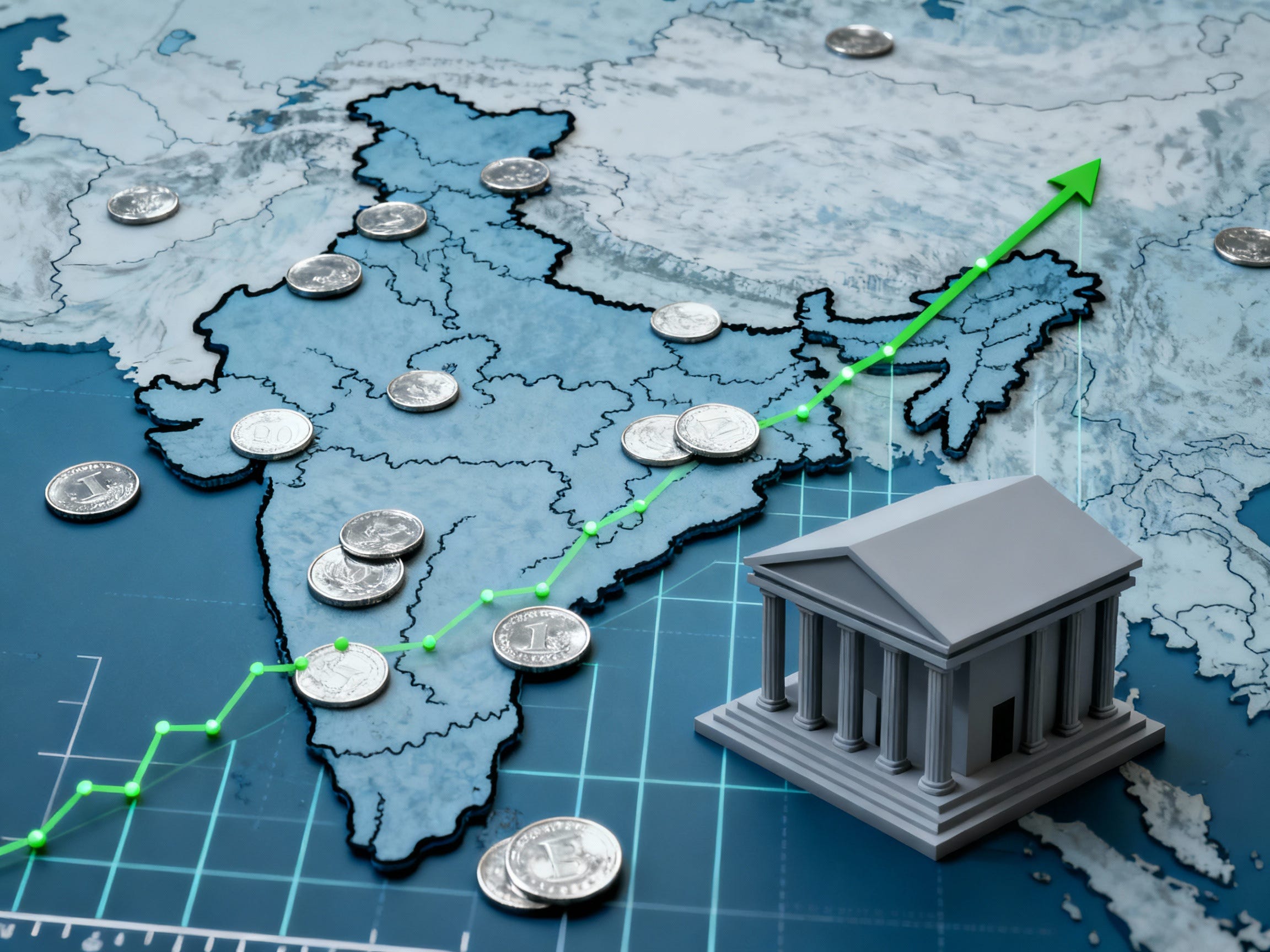
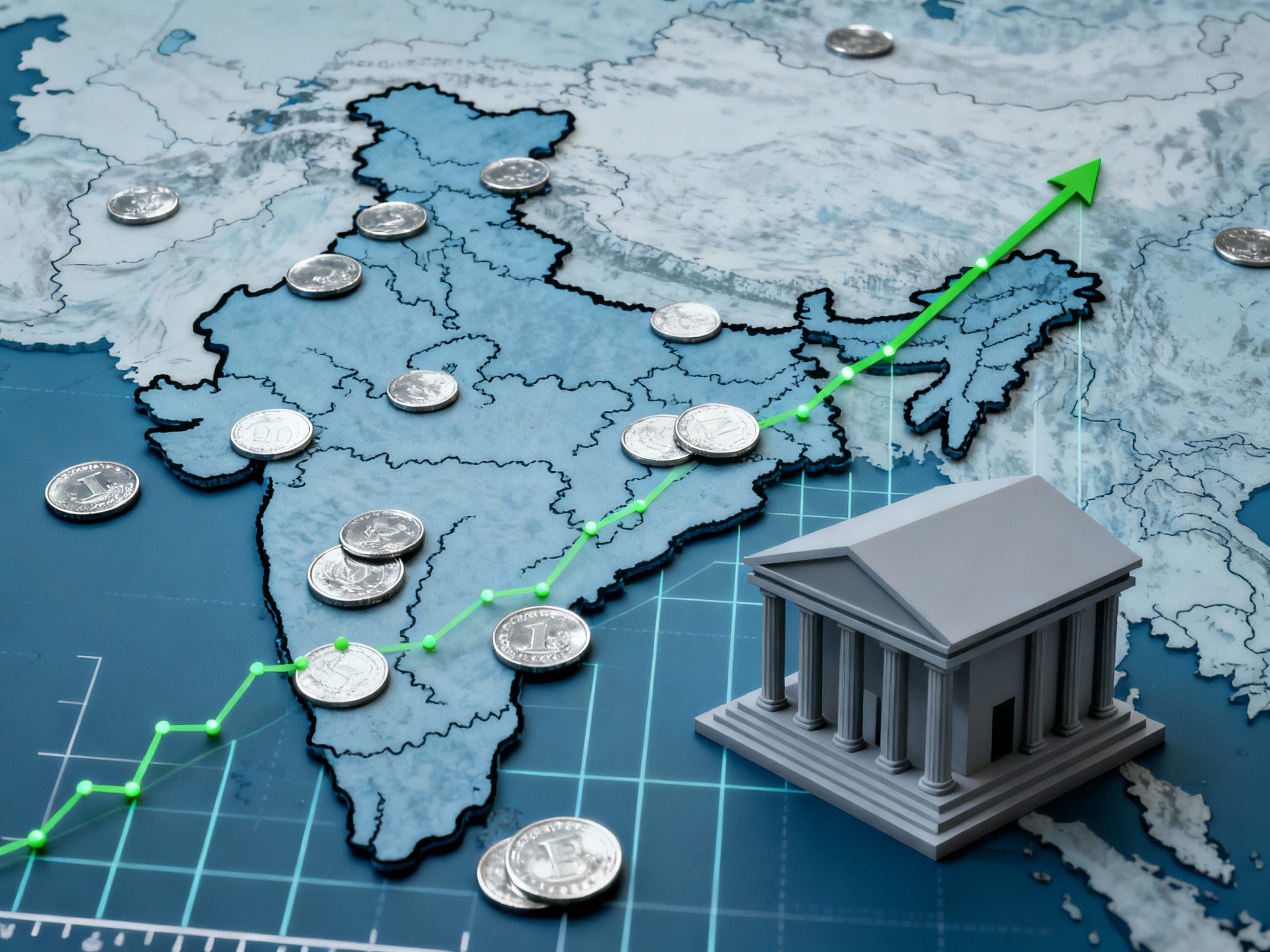
In a move that has stunned global markets and delighted advocates of hard assets, India has quietly detonated a monetary bombshell: the Reserve Bank of India (RBI) is bringing silver back into the financial system. Beginning April 1, 2026, Indian banks will be authorized to accept silver as loan collateral. It’s the first modern recognition of silver as a monetary asset since the metal was gradually sidelined from global finance a century ago. But this is no symbolic gesture—it’s a calculated strategy that connects household wealth, national reserves, and geopolitical realignment under one glittering metal.
A Policy Hiding in Plain Sight
Announced in late 2025, the RBI’s new framework signals India’s official “remonetization” of silver. Under the plan, citizens can pledge up to 10 kilograms of silver jewelry or coins as collateral for personal or business loans, with banks able to lend up to 85 percent of the value. The collateral must be returned within seven days of repayment—an essential safeguard in a nation where trust in financial intermediaries can waver.
What makes this policy revolutionary is its structure. The RBI isn’t simply legalizing pawnshop-style lending; it is integrating silver directly into the banking system. This creates a two-layered mechanism—financial inclusion on the surface, and strategic monetary policy beneath.
Layer One: Financial Inclusion
India’s first official goal is to unlock the vast trove of “dead capital” stored in household silver. With an estimated 10,000–15,000 tonnes sitting in homes and temples, the untapped value runs into hundreds of billions of rupees. Much of this silver is held by rural and middle-class families who have limited access to affordable credit.
By allowing silver-backed loans, the RBI positions the metal as a liquidity bridge. Families can raise funds for farming, education, or small businesses without selling their heirlooms. The immediate impact could be profound—projected new lending between ₹50,000 and ₹100,000 crore by 2027. The policy effectively turns India’s collective silver savings into a living, circulating asset.
Layer Two: National Strategy
The deeper layer is geopolitical. While citizens see liquidity, the state sees reserves. As banks accumulate silver temporarily pledged by borrowers, they indirectly assemble a dynamic stockpile that can be monitored, insured, and even mobilized in emergencies. Each gram represents latent national strength, both financial and strategic.
This quietly dovetails with the BRICS bloc’s ongoing campaign to reduce reliance on the US dollar. Joint initiatives have already sought new systems of trade settlement backed by real assets. Gold remains the backbone of this strategy, but silver—abundant, industrial, and historically monetary—offers flexibility. It bridges the monetary and commercial worlds, essential for the BRICS economies where manufacturing, energy transition, and digital infrastructure are surging.
The Numbers Behind the Story
India already drives 25–30 percent of global silver demand, consuming roughly 3,500–4,000 tonnes annually. Prices hit ₹1.9 lakh per kilogram in November 2025, a lifetime high—up 40 percent year to date—with the gold-to-silver ratio hovering near 80:1. Historically, such levels have marked turning points favoring silver.
Household holdings, estimated between 10,000 and 15,000 tonnes, represent one of the world’s largest decentralized stores of wealth. Now that wealth is being activated. Even if only 5 percent is pledged into the system, that equates to 500–750 tonnes entering formal liquidity channels—enough to alter global silver flows and add structural support to prices.
The Genius of the Plan
Several outcomes make this policy exceptionally shrewd:
-
Unlocking “dead capital”: Millions of households gain access to affordable credit while maintaining ownership of their silver.
-
Building a sanctions-proof buffer: Silver differs from foreign reserves or digital assets; it cannot be frozen externally or manipulated through sanctions.
-
Creating a precedent: Other BRICS members—especially those with rich silver endowments like Russia, China, and Mexico—may replicate the model.
-
Driving industrial security: With silver critical to solar panels, 5G, and electric vehicles, India strengthens its domestic supply chain by circulating metal through regulated channels.
In essence, India has blended monetary innovation with strategic autonomy. The remonetization of silver transforms private savings into an instrument of both empowerment and sovereignty.
The Global Ripple Effect
Global investors are already weighing the ripple effects. If India’s banking system begins to regularize silver-backed credit, it legitimizes the idea that silver is not merely a commodity but parallel money—an alternative store of value in a digital-dollar world.
Speculators might see turbocharged price action, but for policymakers, the implications run deeper. By rooting part of the credit system in tangible metal—outside Western control—India reinforces a financial architecture aligned with its geopolitical independence.
What began as a rural credit policy could evolve into a cornerstone of the new multipolar monetary order. It signals to other emerging economies that precious metals can underpin stable growth in a time of currency volatility and debt saturation.
A Silent Monetary Revolution
When the first silver-backed loan clears in April 2026, few outside India may notice. But historians might one day mark that moment as the beginning of silver’s renaissance as money. In a world of derivative wealth and digital promises, one nation is quietly reminding the rest why real value still shines.
India’s “silver bomb” is not an explosion of chaos but of creation—transforming a nation’s oldest store of wealth into its newest instrument of power.
the 1, 2 Punch
China Golden Highway Plus India’s Silver Surge
India’s silver remonetization slots neatly into China’s emerging “golden highway” of vaults and gold‑backed finance across Shanghai, Beijing, Hong Kong, Dubai, and Singapore. By turning household silver into bankable collateral, India is giving emerging markets a second hard asset—alongside China’s gold network—to escape a weaponized US dollar now tethered to over $38 trillion in debt and sanctions risk. Central banks already hold more gold than US Treasuries for the first time in decades, and that de‑dollarization trend is unlikely to reverse as China rolls out yuan and gold‑linked Panda bonds while India normalizes silver as money. Together, they are laying the rails for a neutral, metals‑anchored alternative to the dollar system.