
originally posted by SNAFU investing with Lau Vegys (formerly with Doug Casey and now lone wolf) We want everyone to know Lau is a smart dude and endorsed by Silver Academy editorial staff. Please consider subscribing to his newsletter on commodities.

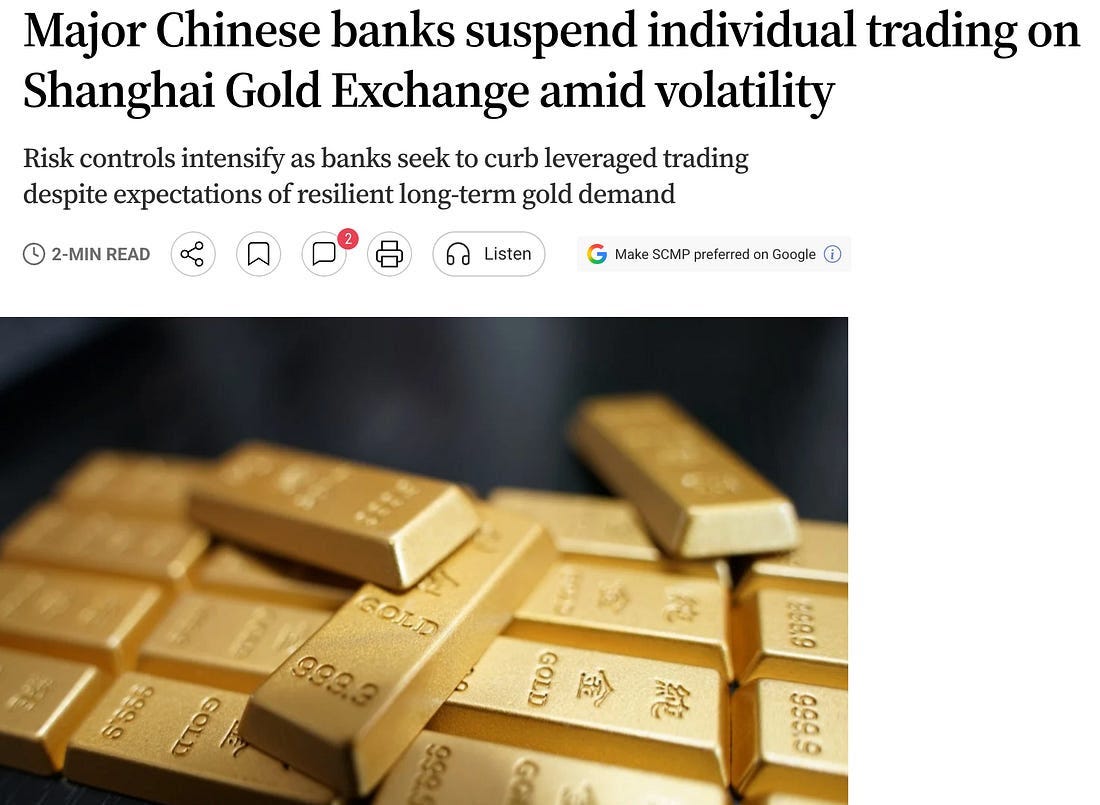
Last month, ICBC, the Industrial and Commercial Bank of China and the largest bank in the world by assets, suspended retail leveraged precious-metals margin trading on the Shanghai Gold Exchange (SGE).
The cutoff was July 24. Clients were told to close their positions, sell their holdings, or take physical delivery. After that, access through mobile banking, online platforms, and branches went dark.
ICBC was not acting alone. Postal Savings Bank of China, Ping An Bank, China Guangfa Bank, and China Construction Bank all brought in similar measures in the weeks leading up to the deadline.
Source: South China Morning Post
These banks stopped opening new accounts, closed dormant ones, refunded idle margin, and raised the cost of staying in. On some products, margin requirements were lifted as high as 140%.
The banks say they are shielding retail investors from volatility. And if you’ve been watching the precious metals markets this year, that certainly rings true — there has been plenty of it. Gold pushed past $5,500 earlier this year before falling nearly 30%. Silver’s ride was wilder still. As the chart below shows, it ran to $121 in January before collapsing all the way to the high 50s.
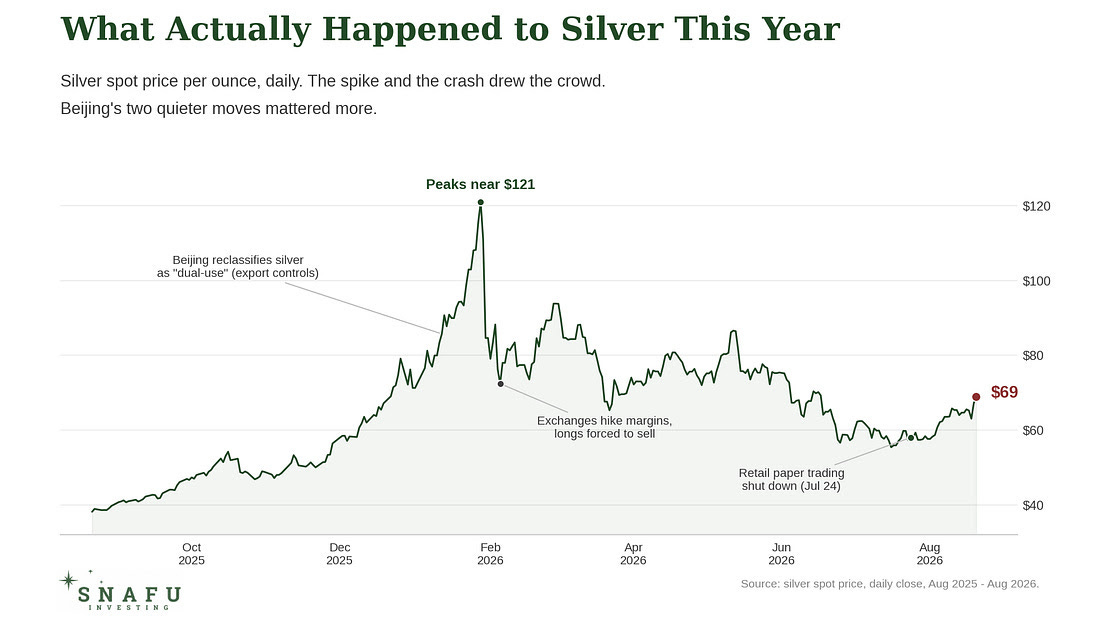
While the run to $121 owed a lot to something China had quietly done earlier in the year (more on that below), the plunge that followed was mostly the work of margin hikes by the Chicago Mercantile Exchange (CME), which forced leveraged longs to sell in the paper market.
Not a Temporary Fix
You can sort of understand why Chinese banks are using volatility as the explanation here. Everyone still remembers 2020, when Bank of China’s “Crude Oil Treasure” imploded amid the chaos of the Covid crash, which sent oil futures negative and left retail investors owing money they never expected to lose.
But here is the thing. This is not a temporary suspension.
Chinese banks have been steadily dismantling the retail paper-trading infrastructure since 2020. New retail accounts tied to the SGE were paused that year. By December 2025, banks were closing dormant accounts and returning unused margin. July 24 was the final cutoff.
So now that the paper layer is gone, what is left?
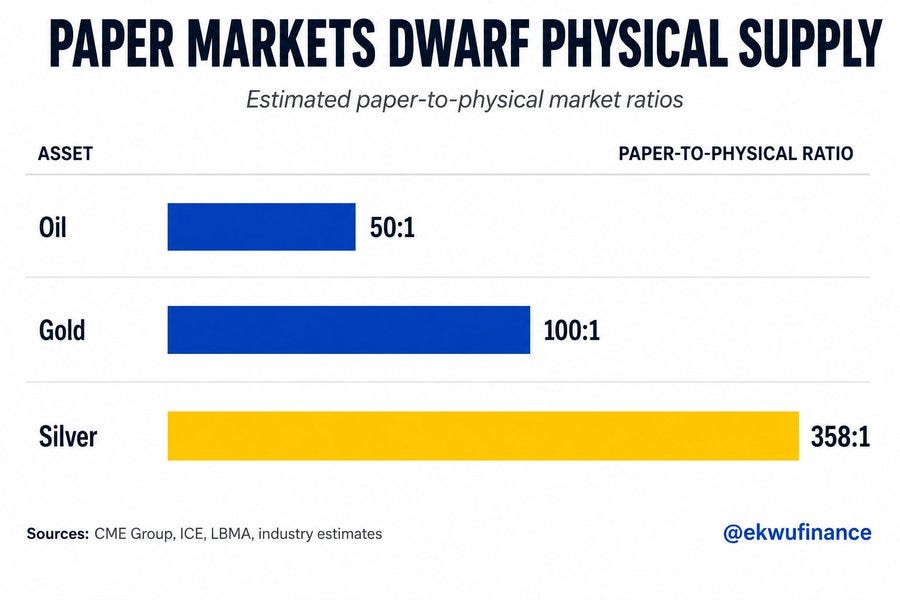
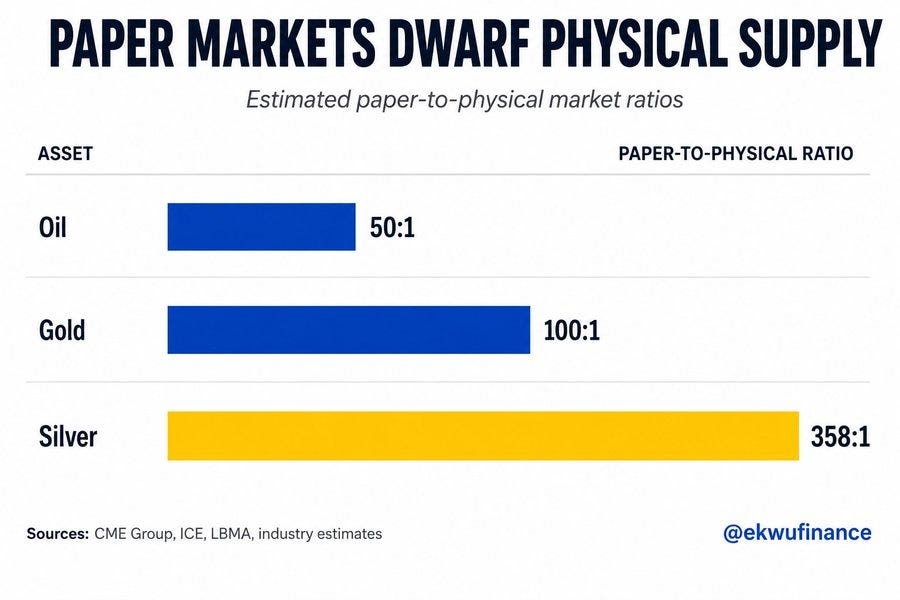
Physical pricing, of course. And this part is worth understanding, because the Shanghai Gold Exchange does not work like the exchanges we are used to in the West. On COMEX, the vast majority of contracts are settled in cash. Traders buy and sell paper claims on metal that most of them never intend to touch. In practice, only a tiny fraction of contracts, well under 1%, ever end in someone actually taking delivery. The paper market, in other words, dwarfs the pile of real metal sitting underneath it.
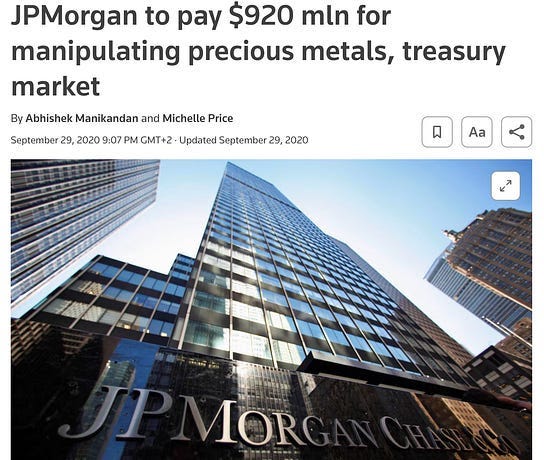
The trouble is, a market structured this way also leaves plenty of room for manipulation. And this isn’t just conspiracy talk. In 2020, for instance, JPMorgan paid a record $920 million over exactly that: years of its traders spoofing the metals market with orders they never intended to fill.
Source: Reuters
Meanwhile, on the Shanghai exchange, physical metal leaves the vaults by the thousands of metric tons each year. In other words, when a contract settles there, actual metal changes hands. And that physical link has been baked into the exchange since it opened in 2002.
The point is, China is doing this the right way.
Just think about what happens when you strip away the speculative paper layer of an exchange. A Chinese saver who wants silver now has to go out and buy the real thing: bars, coins, or ETFs that actually hold the metal.
Clearly, China is interested in getting its own people out of paper and into something they can actually hold.
The Move Behind the Move
Of course, if you have been reading me this year, you will know this isn’t the only thing out of China that should make you bullish on silver.
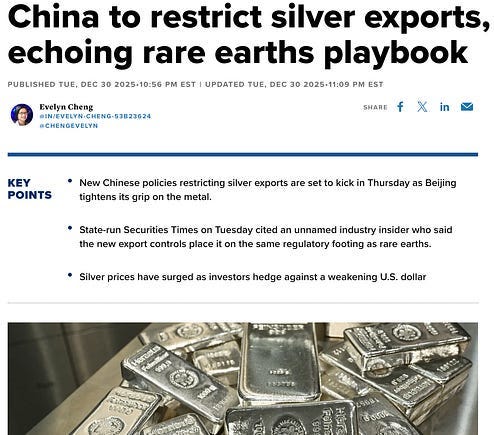
Back at the start of the year, Beijing also reclassified silver under “dual-use export controls,” the category reserved for materials with both civilian and military applications. Since then, exporting silver from China has required government authorization. Only 44 companies have been approved to ship it abroad during the 2026–2027 period, which means Beijing now effectively controls how much refined silver leaves the country.
Source: CNBC
You might remember China running this exact play before. First rare earths, then tungsten, then antimony.
But having a grip on silver matters more than the others did. Rare earths, tungsten, and antimony go into a handful of specialized, high-value uses. Silver goes into almost everything we build. Solar panels. Electric vehicles. The data centers behind the AI boom. Satellites and military electronics. Medical gear. 5G. The list goes on.
And what makes silver worse is that a lot of it isn’t even Chinese to begin with. It comes out of the ground in Mexico, Peru, or Australia, but a large share still has to pass through Chinese smelters and refineries before it turns into usable metal. So Beijing doesn’t only decide what leaves China. It has a hand on metal that was never really China’s in the first place.
When you combine that with the fact that silver supply can’t respond quickly to higher prices, you have the makings of a serious squeeze. And that’s where silver is a little different. Normally, when a metal gets more expensive, miners dig up more of it and the price cools off. Silver doesn’t really work that way.
Why? Well, because roughly 70% of the world’s silver is produced as a byproduct of mining copper, lead, and zinc.
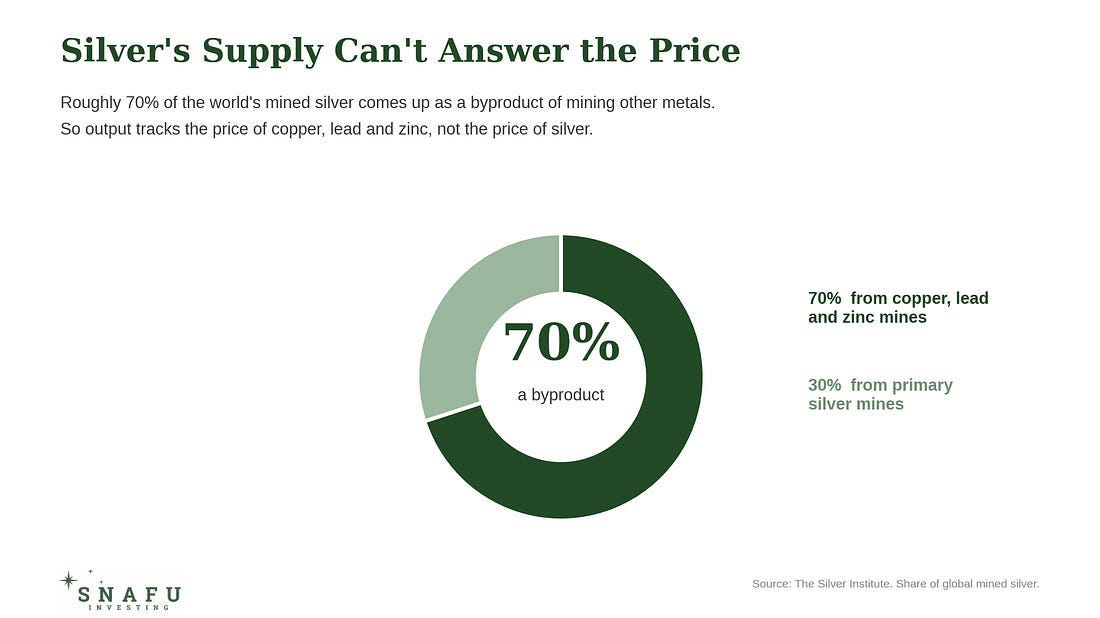
Put another way, how much silver gets produced depends largely on the economics of those other metals, not on the price of silver itself. So even with silver prices high and China tightening the taps, the world can’t simply mine its way out of the shortage.
All this is to say the silver story looks more bullish now, not less. Yes, the CME margin hikes forced the (paper) price off its peak and back into double digits. But that’s all they did. They didn’t change industrial demand. They didn’t fill the deficit. And they certainly didn’t change what China is doing to both silver supply and demand
end of first segment
on to the next segment
Really this chart below says it all (358 people in the West all think they own the same 1 ounce of silver)
I wrote a parable about this below
An old Sunday school story may be the best metaphor for the risks of today’s high paper-to-silver ratio.
Let me take you back to the Old West, New Mexico specifically.
There are over 15,000 abandoned mining sites in New Mexico, a state which boasts vast mineral resources such as copper, gold, silver, and uranium (but is small in comparison to States like Colorado, Idaho, Nevada, Oregon, and Arizona.)
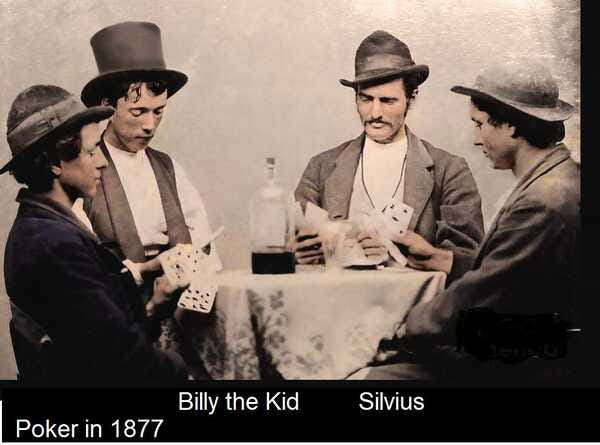
As a native New Mexican, one of my favorite parts of state history is connected with Billy the Kid, who was raised around Lincoln County, two hours South of Albuquerque and 1.5 hours north of El Paso.
Silver Shenanigans in Santa Fe
In the dusty saloons of Santa Fe, New Mexico, a clever merchant named Silvius often rubbed elbows with the infamous Billy the Kid and his gang of horse bandits.
One fateful evening, as Billy bought a round of drinks for his outlaws, the sharp ping of a silver coin hitting the bar counter caught Silvius’s ear.
Later that night, he watched intently as Billy and his gang engaged in a lively poker match, using paper slips and chips to represent silver ounces, dividing the precious metal into betting increments.
This scene sparked an idea in Silvius’s mind — a scheme to resell the same silver over and over again.
He took his show on the road and traveled on horse 65 miles south to Albuquerque. In the “old town” market square, Silvius put his plan into action.
He owned a single, gleaming silver coin that caught everyone’s eye. Seeing an opportunity, Silvius devised a plan.
He created 400 paper tickets, each claiming to represent his silver coin. He approached his marks individually. “Buy a ticket, and you’ll own a share of my precious silver! “
The townspeople, enticed by the low price of the tickets, eagerly bought them. Soon, all 400 tickets were sold, and Silvius’s pockets were full of money.
One day, a wise old woman approached Silvius. “May I see the silver coin my ticket represents?” she asked.
Silvius smiled nervously. “Of course, but you see, there are 399 other ticket holders. You’ll have to wait your turn.”
The woman frowned. “But how can one coin be in 400 places at once?”
Word spread quickly. Soon, a crowd gathered, all demanding to see the silver coin they believed they owned a piece of. Panic ensued as people realized the absurdity of the situation.
In the chaos, Silvius slipped away, leaving behind a valuable lesson: just because something is written on paper doesn’t make it real.
The Moral
This parable illustrates the disconnect between paper representations and physical assets in the silver market. Just as Silvius created 400 tickets for one coin, the paper silver market often trades at ratios far exceeding the available physical silver.
The lesson here is twofold:
-
The power of perception: Silvius, like modern financial institutions, created value from thin air by leveraging people’s trust and desire for profit.
-
The fragility of paper promises: When everyone tried to claim their share simultaneously, the illusion collapsed, much like how a run on paper silver could expose the market’s vulnerabilities.
In the real world, this situation allows for price manipulation and creates a disconnect between paper and physical silver prices.
It’s a stark reminder that in financial markets, as in the parable, those who set the rules can create realities that may not align with physical constraints.
our opinions are not our sponsors opinions
the editorial department is separate from the promotions department
not financial advice