
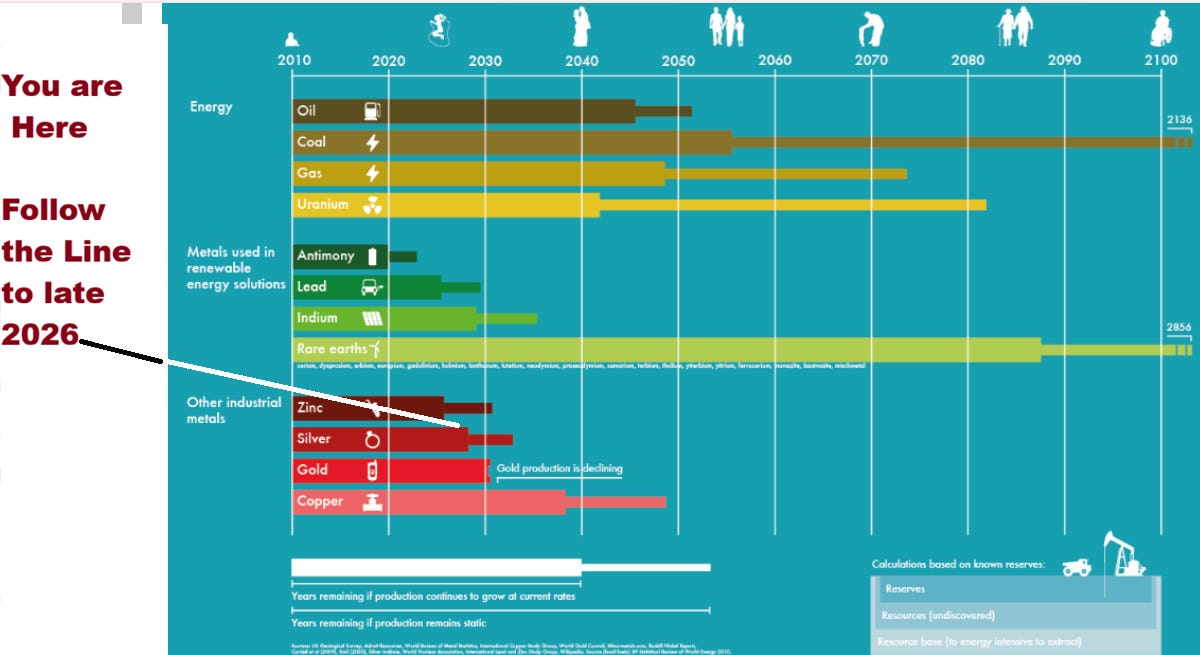
Silver is still cheap—obscenely, almost comically cheap—and the public is being trained to ignore it because that is what people do at turning points: they stare at the rear-view mirror and call it analysis.
Silver’s ridiculous discount
At roughly $65 or below, silver remains:
-
49% below its nominal all-time high of about $120.
-
72% below its CPI-adjusted 1980 high of roughly $217.
-
92% below an M2-money-supply-adjusted equivalent near $774.
And yet investors act as if they have missed the trade because silver moved. Brilliant. The asset can be catastrophically undervalued for decades, then rise a few dollars, and suddenly the herd decides it is “too expensive.” This is not investing. It is financial learned helplessness.
The supply math nobody respects
For every ounce of gold mined, the world produces only about eight or nine ounces of silver. Estimates of remaining mineable material similarly put silver at roughly eight to ten times gold’s availability—not 50 times, not 100 times.
But here is the part Wall Street’s spreadsheet cowboys always omit: silver is not primarily mined because miners wake up excited to find silver. Roughly 72% of silver production comes as a by-product of copper, lead, zinc, and gold mining. Only about 28% comes from primary silver mines.
That means higher silver prices do not automatically trigger a giant wave of new silver production. A copper miner does not rebuild a mine plan because silver gets exciting on Twitter. Silver supply is hostage to the economics of other metals.
Energy makes everything worse
Now add the energy shock. Washington and the central planners knew perfectly well that a war involving Iran risked disruption around the Strait of Hormuz. They knew energy infrastructure would become a target. And they knew the United States has spent half a century pretending refining capacity can run forever without serious expansion: no new U.S. refinery has been built since 1976.
So oil, diesel, chemicals, transport, explosives, equipment, labor, and processing costs rise. That is not bullish only for silver; it is devastating for marginal mine economics. The industry needs far higher metal prices merely to replace depleted reserves and keep production moving.
The wake-up call
The world is positioning for real assets while retail investors debate whether silver is “overbought” at prices still miles below every serious inflation-adjusted benchmark. Tether has become an aggressive physical-gold buyer and is also reported to be storing and trading physical silver through Gold.com’s network.
Silver is monetary metal, strategic material, electrification input, solar input, defense input, and future-energy infrastructure. It is not a relic.
Any physical ounce available below $65 is cheap. Quality silver miners—leveraged claims on a tightening strategic metal—may be cheaper still.
Yesterday we published a list of 4, of these 4 one or more will 10X (or more) during the upcoming 2 years.
The market will not ring a bell. It will simply reprice silver while the complacent explain why it “came out of nowhere.”
The ultimate case for silver is brutally simple: its opposite is the U.S. dollar.
A silver ounce cannot be printed, keystroked into existence, or conjured by a Federal Reserve press conference. The dollar can. It lost formal gold convertibility in 1971, when Washington shut the gold window and finalized the modern fiat system. Since then, its purchasing power has depended on confidence, debt expansion, and the willingness of the rest of the world to keep accepting America’s paper promises.
For decades, oil’s dollar pricing helped support that arrangement. But the system is fragmenting at the margins as countries seek more trade in local currencies and alternatives. The dollar remains dominant—especially in commodity invoicing—but its monopoly is not permanent and its credibility is not infinite.
Do not confuse dollar dominance with dollar invincibility.
Silver has no central banker. No debt ceiling. No bailout committee. No trillion-dollar deficit attached to it.
When confidence in the Federal Reserve debt note finally cracks, capital will not flee into another promise. It will flee into tangible, scarce, unprintable assets.
-
Gold will move first. Silver will move harder.
-
Closing argument, there is more gold above ground than silver
-
Because silver is heavily consumed across key industrial applications—such as solar panels, electronics, medical devices, and military equipment—the vast majority of historical production has been physically dispersed into landfills or lost in unrecoverable quantities.
-
In contrast, gold is treated almost universally as a store of value or monetary asset, meaning over 90% of all gold ever mined remains intact in central bank vaults, private reserves, and jewelry.
-
Additionally, while silver is mined at roughly eight times the volume of gold, its extremely low value per gram historically made commercial recycling cost-prohibitive compared to refining high-value gold scrap.
-
Furthermore, central banks have actively accumulated and hoarded gold for centuries as part of their national monetary reserves, whereas silver was systematically demonetized and liquidated from government stockpiles during the 20th century.
-
Consequently, decades of ongoing industrial destruction of silver alongside continuous vault accumulation of gold have rendered refined, accessible above-ground silver stockpiles surprisingly smaller than total above-ground gold reserves.
-
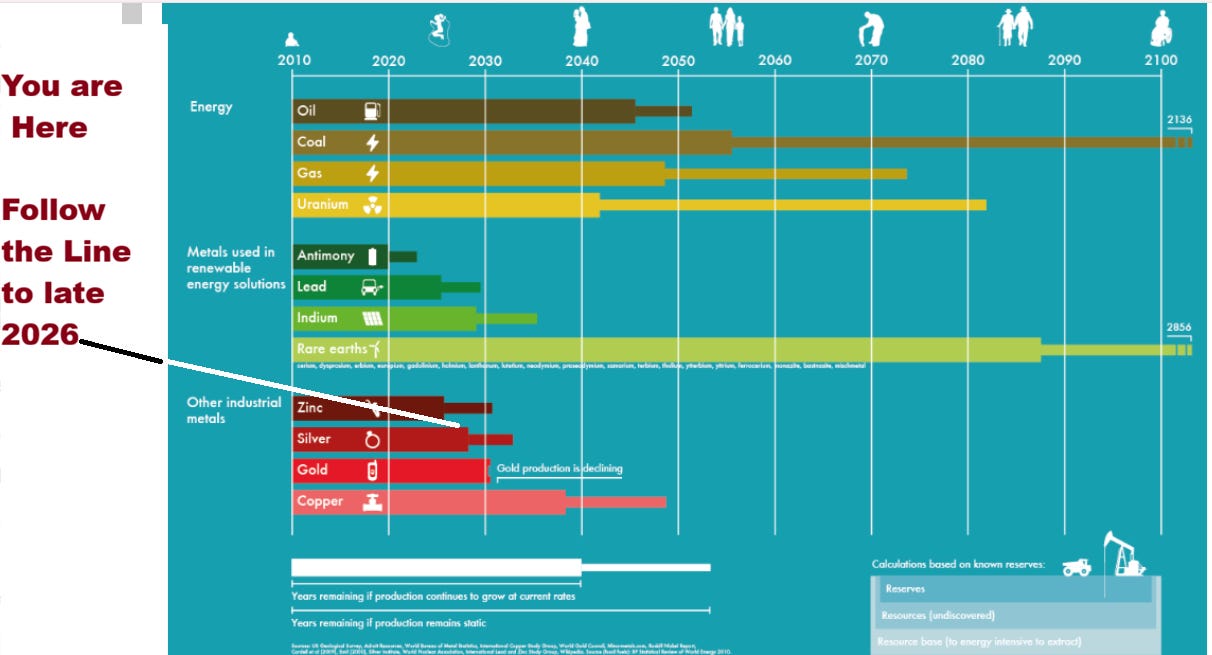
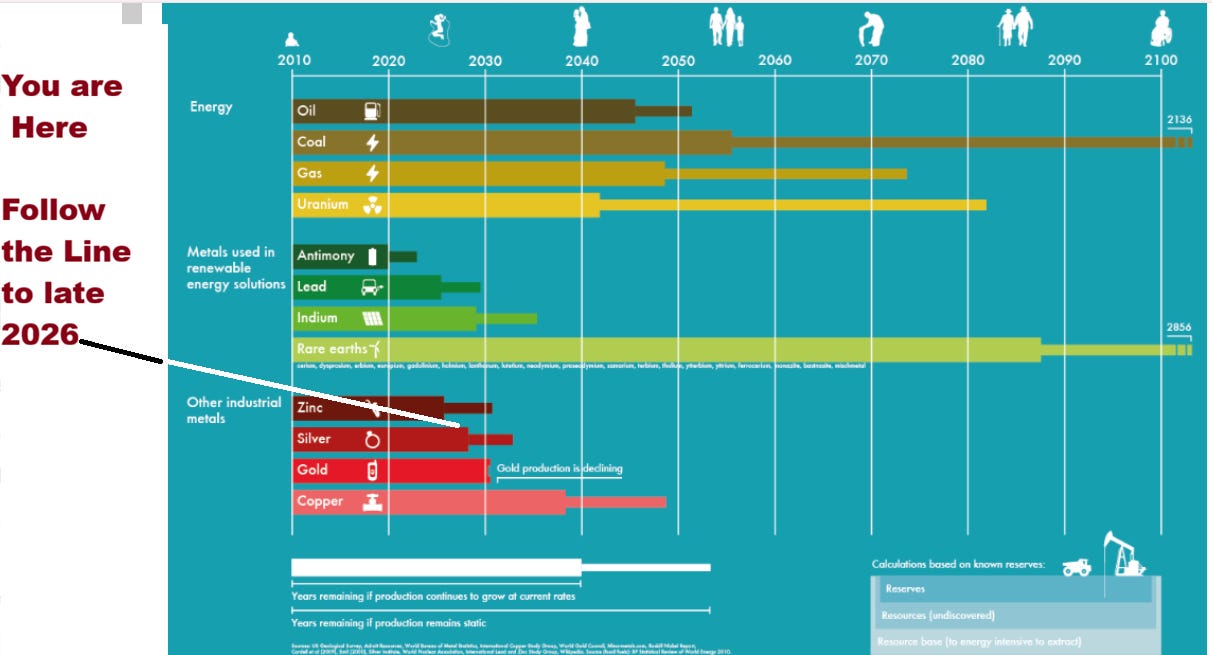
Silver is on the Brink of Extinction and now it makes sense that it is designated a critical mineral
end of segment
1. our opinions are not our sponsors opinions
2. the editorial department is separate from the promotions department
3. not financial advice
Disclaimer: Silver Academy is an independent precious-metals content aggregator drawing on analysis, commentary, and research from dozens of third-party writers and market observers. Views, facts, forecasts, and opinions remain those of their respective authors and are not independently guaranteed by Silver Academy. Nothing published constitutes investment, legal, or tax advice. Section 230 protections apply to third-party content; no liability is assumed for investment decisions or third-party statements