
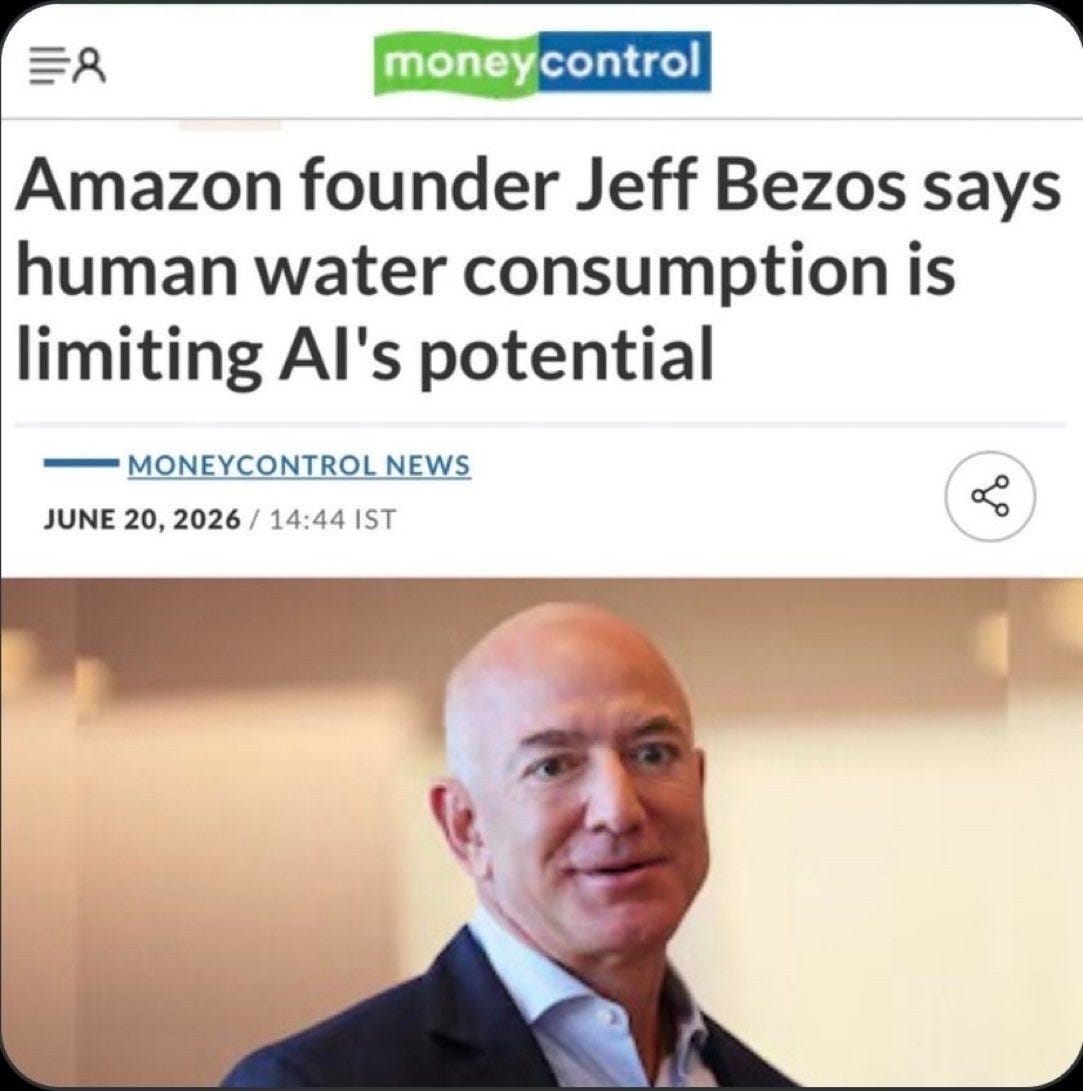
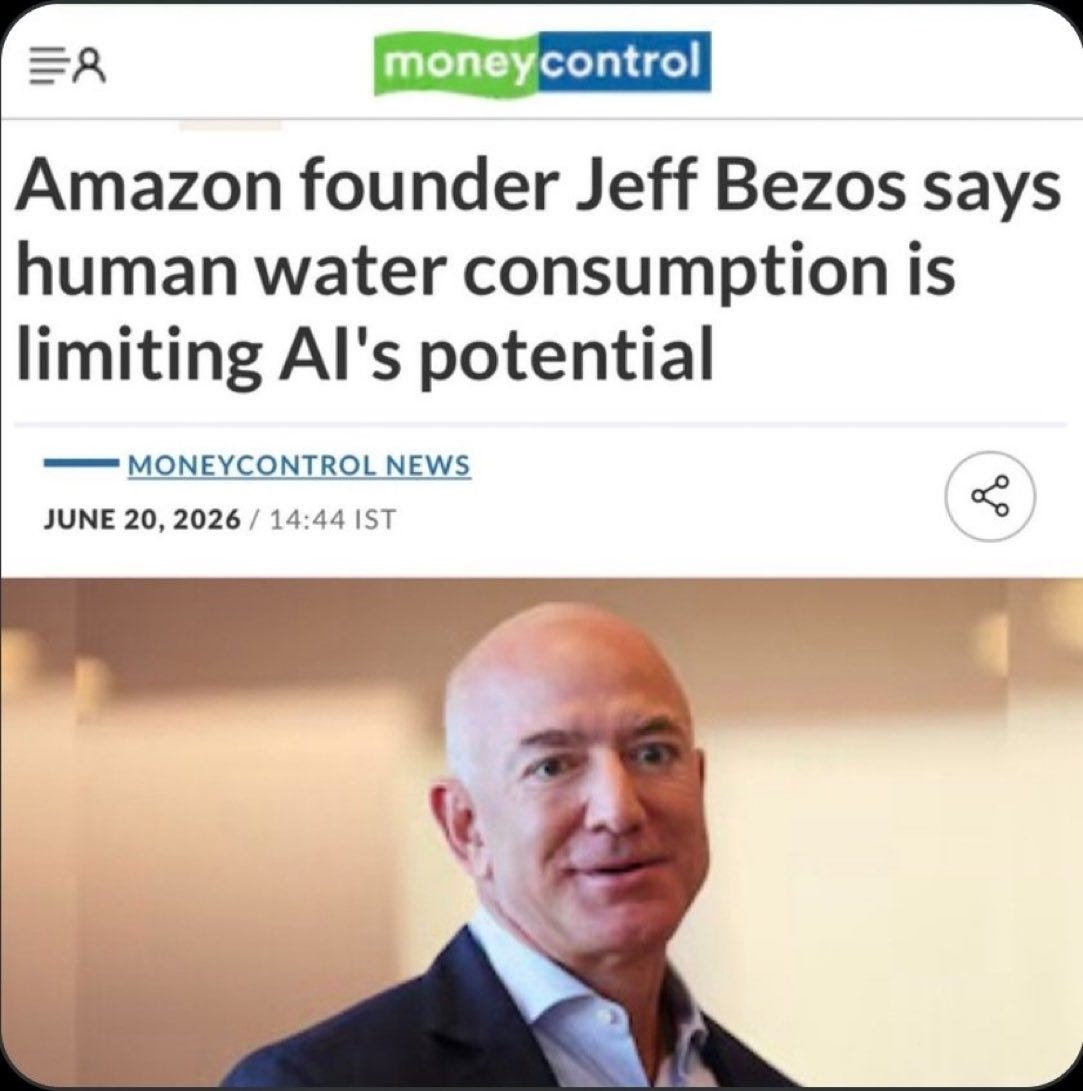
I’m writing to you today from New Mexico, where I’ve been staying to plan my beloved mother’s funeral. We’re deeply fortunate that she lived such an extraordinary life—one of the Four Corners’ best bridge players, a Wordle assassin, and someone who could out‑Jeopardy the rest of us without breaking a sweat. In between arrangements, I’ve been digging into the region’s worsening drought: the Animas River running dangerously low, farmers at the growers’ market worrying about whether they’ll have enough hay to keep their animals fed and survive the next wave of weather shocks.
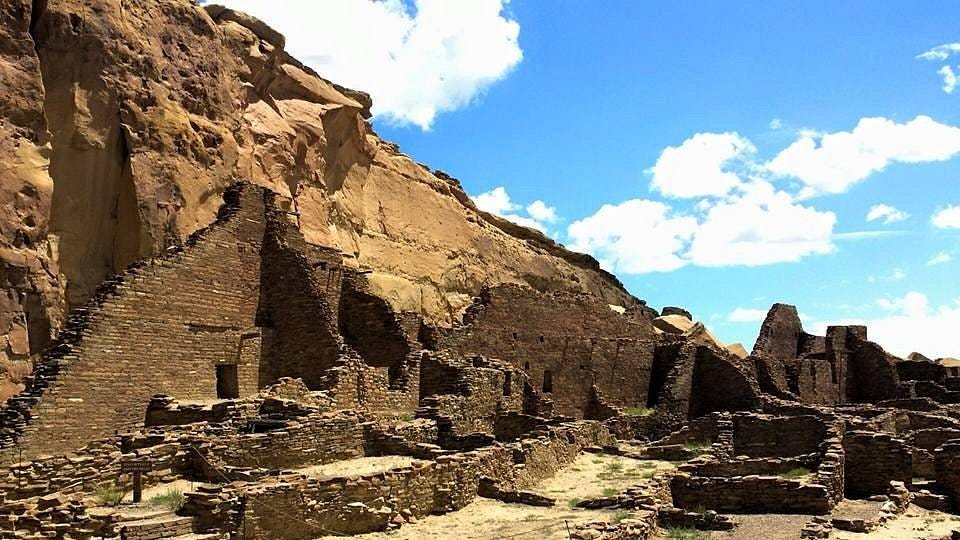
This isn’t the first time this land has faced a breaking point over water. The ancestral Puebloans who built Aztec, Chaco Canyon, Mesa Verde, and Canyon de Chelly also saw their rivers and rains fail—water scarcity is the leading theory for why Anasazi culture collapsed.
The surveillance build‑out hitting New Mexico right now is not “innovation” or “progress.” It is a coordinated technofascist grab for total control over movement, money, water, and thought—aimed squarely at the working class.
During the height of the Anasazi, communities were at the mercy of rain and soil; if the sky failed, there was no backup grid or global supply chain. That’s why we inherit stories of rain dances and ceremonies, not data centers. Today, with advanced knowledge and technology, we should manage water more wisely—but instead we’re siting water‑hungry projects in deserts and treating rivers as expendable inputs. With what we know now, repeating their fate is inexcusable.
Sawing Down the Panopticon
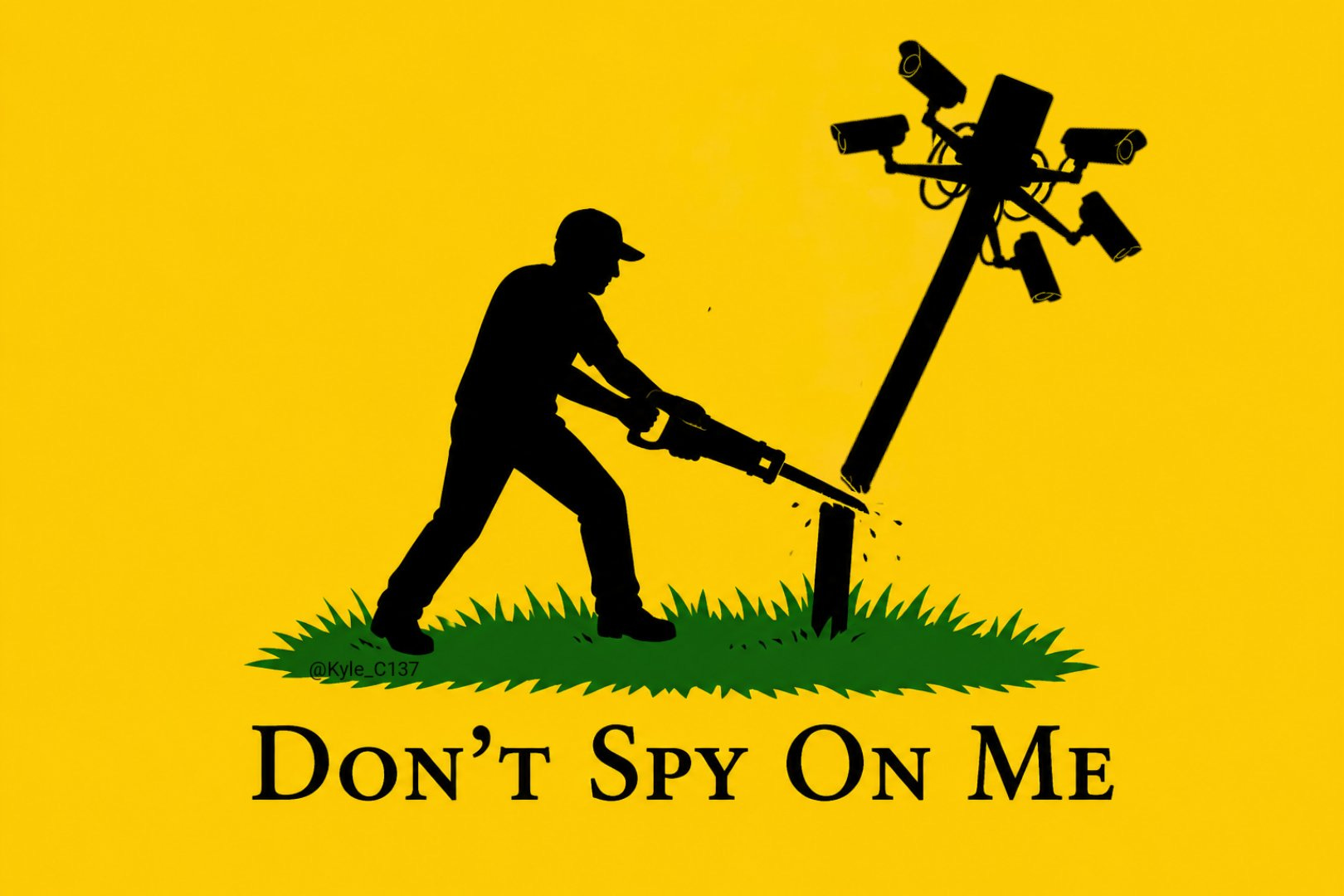
From “Knock the Flock” posters to the DeFlock maps, people are finally naming what’s happening: we are being turned into data livestock. The cheeky “don’t spy on me” riff on the Gadsden flag captures a hard truth—the same regime that once said “don’t tread on me” now wants a camera on every intersection, a scanner on every license plate, and a dossier on every citizen. These Flock‑style ALPR grids aren’t about “safety”; they’re about permanent tracking, pattern‑of‑life analysis, and turnkey repression for whenever you step out of line.
Oracle in the Desert, Thirsty for Power
In southern New Mexico, Oracle’s rebranded “Project Juniper” AI/data center is marketed like a salvation project: glossy ads promising “clean water,” “jobs,” and “sustainable innovation.” Strip away the PR and what you see is a massive industrial complex in a high‑desert landscape already on the brink, diverting millions of gallons of non‑potable water and purchased rights away from agriculture and ecosystems so servers can stay cool while the land around them burns and dries. They’re turning a water‑scarce border desert into a private compute colony and expecting you to clap because they used the word “green” in the press release.
Meta’s Dry Testament: Rio Grande as Sacrifice Zone
If you want to know where this ends, drive south of Albuquerque to Los Lunas and look at what Meta’s data center has done: the Rio Grande, bone‑dry in ways no one in this generation has seen. A living river reduced to a sacrificed infrastructure input for the cloud. That’s the template—local lifeblood turned into a line item on Big Tech’s balance sheet, with communities left staring at dust and concrete where water once flowed. Juniper/Jupiter is just the next copy‑paste on that same death‑by‑data‑center blueprint.
CBDC: Programmable Chains on Your Wallet
Layer CBDCs on top of this and the picture sharpens: your “money” becomes code that can be frozen, throttled, geo‑fenced, and auto‑taxed at the whim of central planners. Want to buy seeds, metal, or fuel when your social score dips or your location isn’t “approved”? Too bad—the programmable ledger says no. CBDC is not a convenience upgrade; it is an execution layer for policy, propaganda, and punishment, built right into your transaction history.
15‑Minute Cities: Walkable Wards of a Digital Prison
The same planners pushing CBDCs and data centers now sell “15‑minute cities” as eco‑friendly urbanism. In reality, when fused with sensors, cameras, and digital ID, these zones become soft containment units. Once every street is surveilled, every purchase is logged, and every neighborhood is algorithmically “managed,” your ability to move, meet, trade, and protest is subject to dashboards run by unelected technocrats and corporate partners. It’s a prison disguised as a lifestyle brand.
Time to Stop Complying
This is the inflection point. Either we resist now, or we accept a future where:
-
Every road is a checkpoint.
-
Every dollar is a leash.
-
Every neighborhood is a monitored cage.
-
Every river is a sacrifice zone for someone else’s servers.
Resistance is not a hashtag; it’s refusal. Refuse CBDC rollouts. Refuse new camera deployments. Expose every data center water grab. Map the surveillance hardware. Disrupt the PR narrative. Build parallel systems—sound money, off‑grid infrastructure, local networks—while we still can.
If we don’t, the “smart” future will be nothing more than a dumb cage: high‑tech bars around human lives, locked by code, guarded by cameras, and owned by people who think your freedom is just an externality.
The Fed buys corporate toxic debt by printing federal reserve debt notes
Guess who pays for this?
The threads here are all part of one tightening net: surveillance, money, and corporate power. As cameras and algorithms blanket public space, the same elite is racing to lock in programmable money—CBDCs and Fed‑managed rails that can freeze, redirect, or devalue your savings on command. Your pension funds and bank deposits are the collateral for that game, funneled into toxic corporate debt and overhyped AI hyperscalers whose data centers drain rivers and gut communities. It’s darkly ironic: the same Epstein‑class technocrats Trump paraded to China are now building a domestic control grid Beijing didn’t even want to waste time on.
You’re going to want to get your hands on some silver asap!
-
our opinions are not our sponsors opinions
-
the editorial department is separate from the promotions department
-
not financial advice