
PRESENTING THE PROBLEM
-
Hyperscale data centers are seen as “cathedrals of surveillance,” embedding permanent police‑state infrastructure into local communities.
-
Farmers and small towns are losing land to tech giants, trading multi‑generation stewardship for short‑term payouts and long‑term dependency.
-
AI data centers voraciously consume water and energy, worsening drought, raising utility rates, and deepening environmental stress in already fragile regions.
-
Residents experience constant license‑plate tracking and behavioral logging via Flock‑type cameras, often without meaningful consent or warrants.
-
Deflock-style movements emerge as people physically remove or disable cameras, signaling a crisis of legitimacy for automated policing.
-
The Magnificent Seven sit atop this stack, profiting from surveillance, cloud monopoly, and labor‑displacing AI while projecting a “progress” narrative.
-
As lived reality diverges from tech marketing, backlash grows: legal challenges, political organizing, direct action, and a rising willingness to resist the digital panopticon.
Foreword:
Billionaire resource investor Eric Sprott is blunt: when the AI bubble finally buckles, the real beneficiary won’t be another tech narrative, it will be silver—and especially silver miners. In his view, the parabolic, sentiment‑driven melt‑up in AI equities has sucked oxygen from hard assets, but it has not repealed the laws of monetary math or metal supply. As capital exits crowded tech at the first real drawdown, he expects a violent rotation into tangible stores of value, with physical silver leading and high‑quality primary silver producers delivering the most explosive upside of the entire hard‑asset complex
Following the Eric Sprott playbook
These 4 miners standout
Aya Gold & Silver (TSX: AYA, NASDAQ: AYA)
-
Recently added to the VanEck Gold Miners ETF (GDX), pulling in forced index buying and deepening liquidity.
-
Zgounder provides high‑grade, primarily silver production, offering strong torque to a rising silver price.
-
Boumadine is expected to start production around 2029, following feasibility work and construction through 2027–2028, transforming Aya into a multi‑asset growth story.
-
Combines Moroccan operating leverage with Canadian capital‑markets access, attracting institutions seeking scalable silver exposure.
Andean Precious Metals (TSX: APM, OTC: ANPMF)
-
Operates Bolivia’s largest silver oxide processing operation, a strategic asset in a country that has already nationalized key silver resources.
-
Long‑term ore‑supply agreements underpin throughput and extend plant life, limiting the need for major new capex.
-
Additional assets outside Bolivia (Golden Queen in USA) provide jurisdictional diversification and multi‑mine optionality.
-
Positioned as a cash‑flow generative platform that can benefit from any future re‑pricing of Bolivian silver.
Kuya Silver (CSE: KUYA, OTC: KUYAF)
-
High‑purity exposure to silver, giving direct leverage to the metal rather than a basket of by‑products.
-
Roughly 90% of revenue comes from silver, keeping the thesis focused and transparent.
-
Two‑pronged growth strategy: scaling current production while advancing exploration to grow the resource base.
-
Fully funded with a strong balance sheet and more than USD $25 million earmarked for growth initiatives.
Silver47 (TSXV: AGA, OTCQB: AAGAF)
-
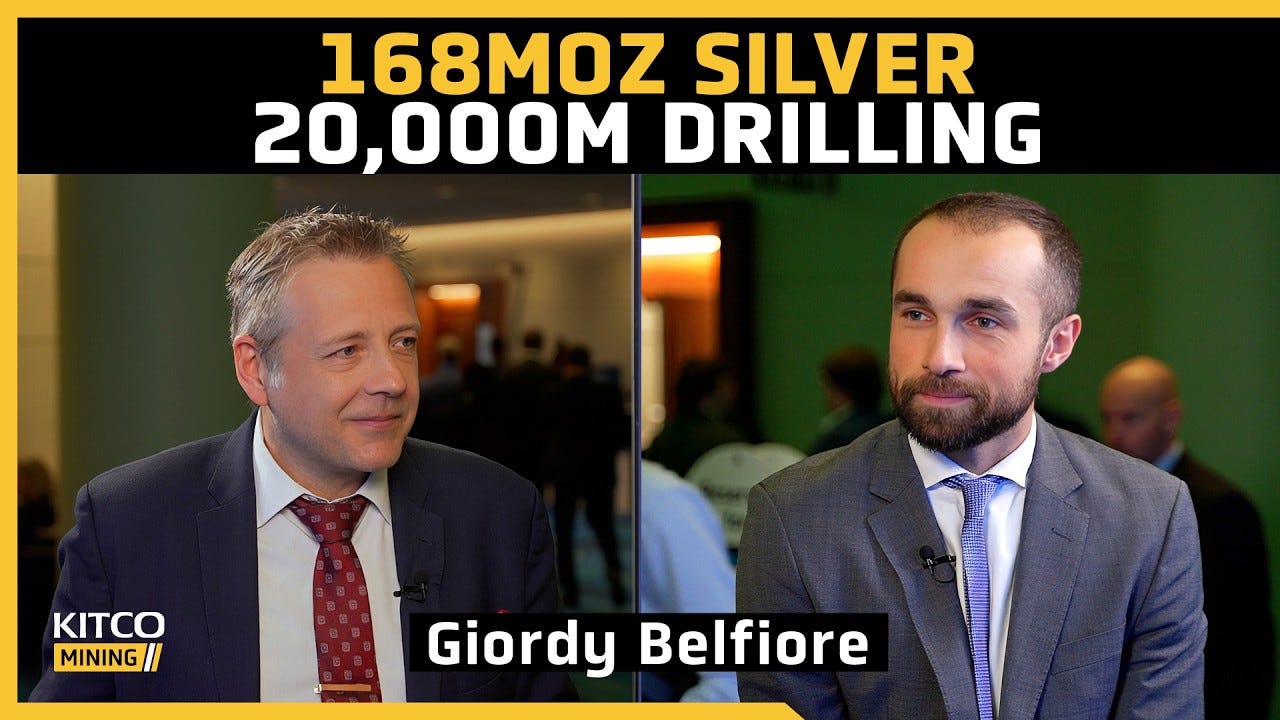
With 168M oz in Alaska plus Hughes (NV) and Mogollon (NM), Silver47 holds a combined 246M silver-equivalent ounces (10M indicated, 236M inferred) across three Tier-1 US jurisdictions.
-
Pure U.S. silver optionality with multi‑jurisdiction exposure in mining‑friendly states.
-
High‑grade resource profile offers strong potential torque to any structural silver bull market.
-
Positioned as a future developer with scale, giving it room to grow into a mid‑tier silver producer as projects advance.
The Great Mining Mismatch
Physical gold and silver have already re‑priced to a new monetary reality, yet the companies that actually pull those ounces out of the ground still trade like it’s the last cycle. Mining equities are radically undervalued relative to their cash flow, their reserves, and the replacement cost of their assets. You are buying hard‑asset production at a discount in a world that is steadily fleeing paper promises for real things.
Cash Flow in a Hard‑Asset World
With metals breaking into new price regimes, margins for quality producers have quietly exploded. Operating costs have not kept pace with spot prices, so every extra dollar on the metal price now drops disproportionately to the bottom line. At the same time, management teams—scarred by the last boom and bust—have shifted from empire‑building to discipline: less dumb dilution, more dividends, buybacks, and internally funded growth. In plain English, more of the upside finally stays with you.
Silver: The High‑Voltage Trade
Within this broader setup, silver miners are the high‑voltage line. Silver is both monetary and industrial: it’s critical to electronics, solar, AI‑era data and power infrastructure, and it is still historically cheap versus gold. A primary silver producer gives you direct, amplified torque to that reality. You are not financing a copper story and begging for scraps of by‑product; you are backing companies whose mine plans, reserve models, and exploration budgets all assume higher silver. When silver moves, these names don’t grind—they gap.
Where Smart Capital Goes Next
We are early in a capital rotation from narrative stocks to necessity stocks. The AI darlings are priced for perfection; the miners that supply the metals their hardware actually consumes are priced like an afterthought. That inversion will not last. Pro‑mining, and especially pro‑silver‑mining, capital stands in front of a powerful convergence: tightening physical markets, disciplined operators, and a tiny equity sector that cannot absorb serious inflows without re‑rating violently higher.
-
our opinions are not our sponsors opinions
-
the editorial department is separate from the promotions department
-
not financial advice