
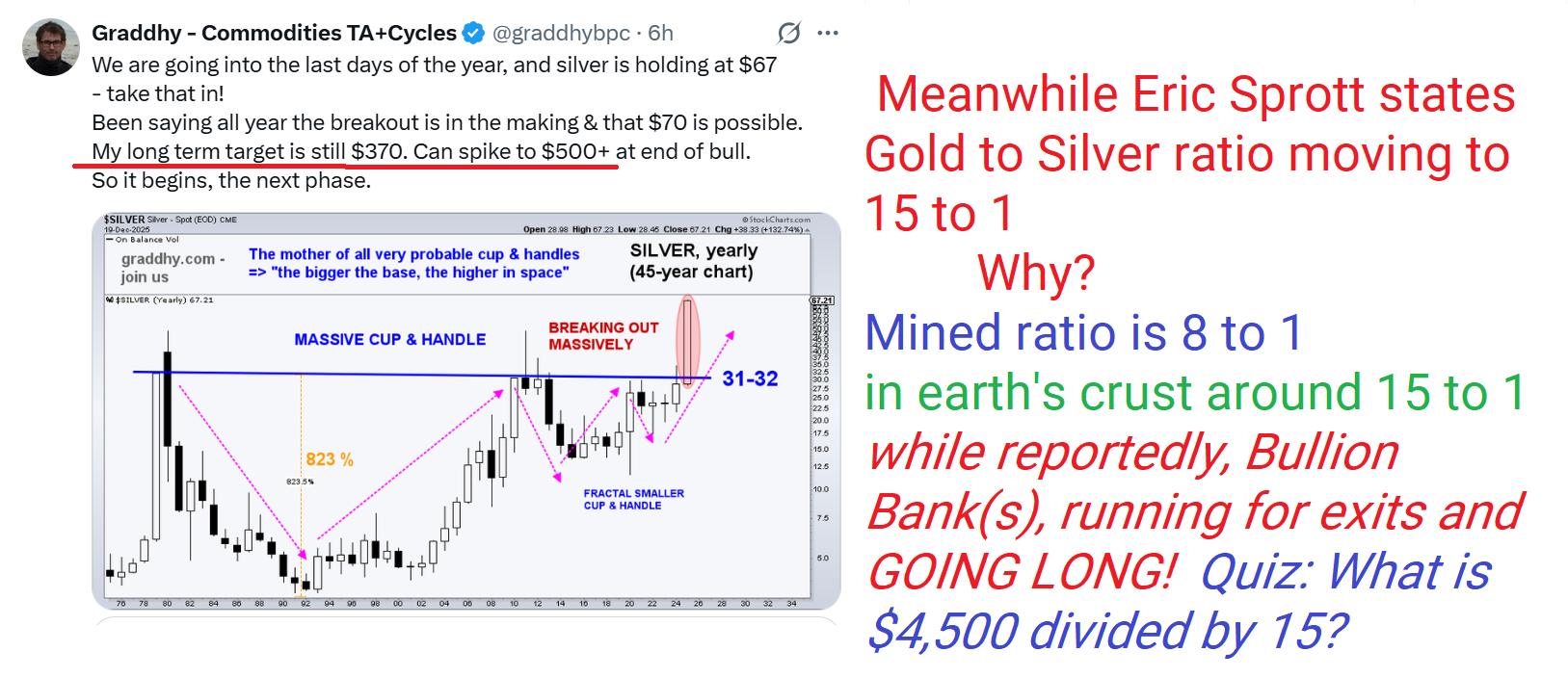
The Empire of Fake Productivity
Somewhere in the bowels of Washington, an economist adjusts his tie, points at a graph, and announces that the economy is alive. GDP is rising. Jobs are plentiful. Spending is strong. Praise be — the Republic is “resilient.”
But beneath that PowerPoint gospel lies the simple truth: this is a corpse propped up with charts. We’ve built an entire religion on fake numbers and are now worshipping our own statistical reflection. GDP isn’t a measure of productivity — it’s the dead metric of movement. If the government ordered the U.S. Army to march into the New Mexico desert, dig ten thousand holes, then circle back next month to fill them again, economists would call it “stimulus.” The market would rally. The deficit would double. And every ounce of wasted effort would be counted as national progress.
The Illusion of Activity
This nation doesn’t produce wealth anymore; it fabricates the appearance of productivity. The system is upheld by the same seven AI companies playing financial hot potato, their valuations recycling the same counterfeit dollars between themselves. It’s not capitalism — it’s a liquidity cult chanting “innovation” while inflating bubbles no one dares to measure honestly.
Meanwhile, the defense industry burns through trillions, the pharmaceutical complex turns sickness into subscription plans, and Wall Street monetizes debt like alchemists converting rot into gold-leafed profits. It’s the grand theatrical set of empire — all surface, no substance.
The Garbage Lesson
Walk the old streets of Guangzhou and you’ll see the metaphor come alive. There, shop owners will scatter trash outside their storefronts — wrappers, boxes, scraps — to make it look like business is booming. In that culture, a busy shop is a dirty shop; garbage means commerce.
That’s the United States exactly: an empire surrounded by garbage, congratulating itself on the “activity.” The dirtier the streets, the higher the GDP. Every war, every bailout, every service-sector treadmill — all of it adds to the illusion of busyness. Over 250 foreign interventions and regime changes since the country’s founding, each billed to the taxpayer as evidence of “growth.” Bomb a city, rebuild it, then bomb it again — GDP loves the cycle. The Pentagon is the ultimate trash‑throwing shopkeeper, and the global economy is fooled by the mess.
The Great Digital Con
They told us that Big Tech was the American Dream reborn — the mythology of garage inventors and college dropouts suddenly rewriting human destiny. But peel back the PR and you find the Pentagon’s fingerprints all over it. The internet? Military communication backbone. GPS? Weapon guidance. Search engines? Classified data indexing turned public.
So why gift the surveillance grid to civilization wrapped in pastel user interfaces? Because people won’t accept the leash if the general offers it. But if the leash comes from a Harvard dropout named Mark, they’ll beg for it. That’s the genius: turn surveillance into lifestyle. A military psyop disguised as convenience. And now those same corporations rule the economic indexes that define “growth.” It’s not progress — it’s a digital occupation.
Hallucinated Reality
Academia isn’t spared. A professor recently revealed that his PhD student cited entire studies that never existed — fabricated by ChatGPT, hallucinated out of thin air. And she believed them, because they looked official. That’s the modern knowledge economy: authoritative illusions in PDF format. But then again, what’s the difference between a fake citation and a “revised GDP estimate”? Both are polished lies turned into policy.
The Revenge of the Real
Wait for it … SILVER
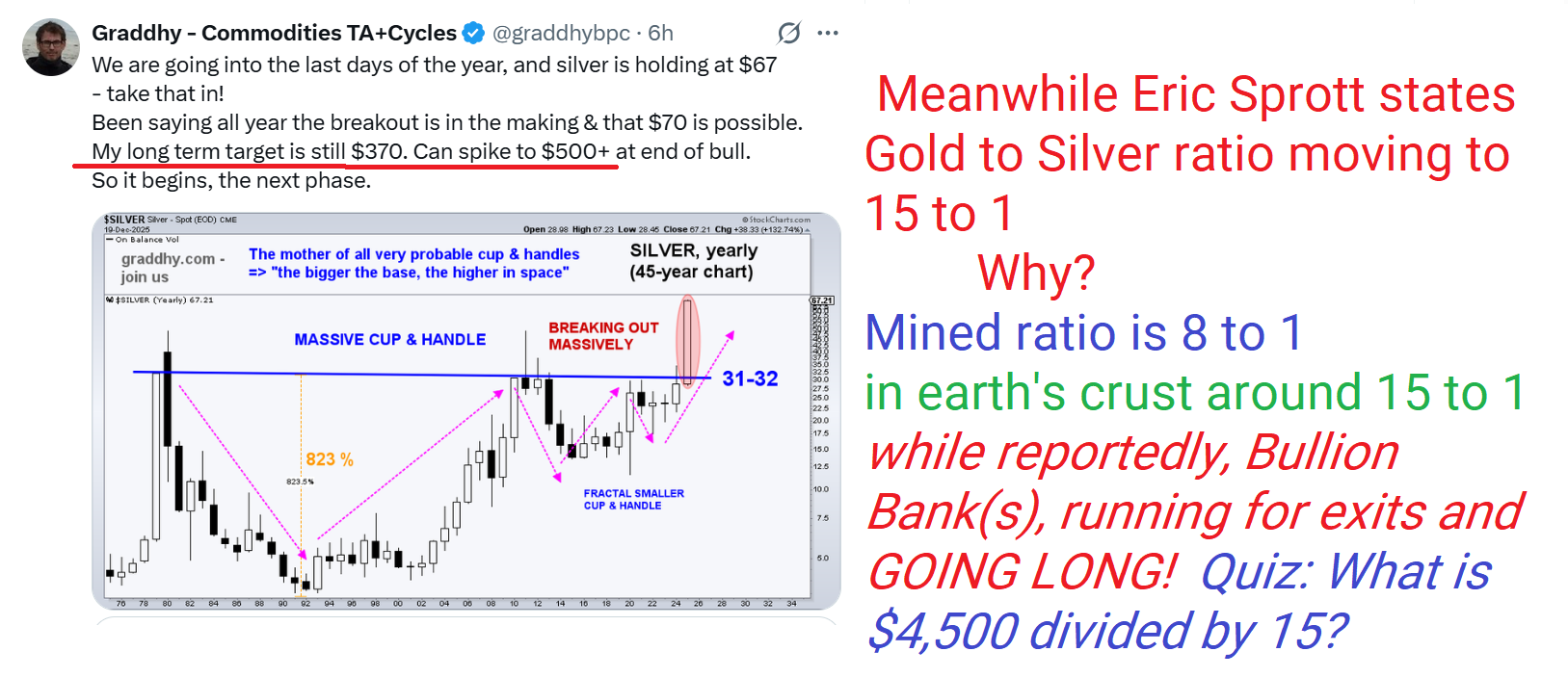
this is a superb broadcast, watch it twice
Summarizing Sprott as best I can
There comes a point when the illusion hits the wall of physics. Eric Sprott said it best in his 2025 year‑in‑review: “We cannot supply demand.” That’s not an opinion — that’s an epitaph. You can print money, manipulate indices, and rewrite history, but you can’t print copper, silver, or gold. The real world doesn’t negotiate with narrative.
The empire is circling itself in the desert now, burying and unburying the same 10,000 holes, trading the same fake tokens, clapping for the same fake headlines. But the real economy waits beneath the sand, quiet, dense, and finite. That weight — that metallic truth — will one day pull the whole paper circus down.
Because money that can’t be printed isn’t an investment — it’s the final measurement of sanity. Silver and gold don’t care about your data models, your quarterly guidance, or your make‑believe productivity. They care about reality — a commodity now rarer than the metals themselves.
When the noise ends, the charts vanish, and the shops stop throwing trash outside to look busy, the last sound will be the clink of something real — something that never lied.
When gold shattered the $2,000 ceiling and silver followed, something fundamental snapped in the machinery of illusion. The managers of perception lost their grip. Physical demand is no longer a footnote; it is the main character, walking onto the stage and tearing up the script.
In that light, a 60/20/20 portfolio is not allocation; it is an act of quiet rebellion. If even a fifth of global capital tried to squeeze through the narrow door of real metal, silver would not “reprice” — it would detonate. Four digits would stop being fantasy and start looking conservative.
And standing at the edge of this revaluation are the junior miners, still tagged with yesterday’s price deck as if Silver is still $29 per ounce, still mispriced for a vanished world. When paper finally fractures and physical asserts primacy, those juniors will not merely rise; they will lurch, knife‑like, into a new orbit — violent, sudden, and utterly unforgiving to anyone who thought this was just another cycle
end of segment
-
our opinions are not our sponsors opinions
-
editorial dept. is separate from promotions dept.
-
not financial advice