
by Jon Little intern Niko Moretti
Part I: Gold Flows Signal Geopolitical and Economic Upheaval in China and Beyond
As gold prices hit record highs in 2025, surprising disruptions in Hong Kong’s gold exports to China have taken center stage—unmasking deeper shifts in the global financial order. According to newly released Hong Kong trade data, China’s net gold imports via Hong Kong dropped nearly 60% in June compared to May, falling from 48.13 tons to just 19.37 tons. This sharp decline mirrors the broader drop in China’s total gold imports, fueling speculation about the underlying causes and their global significance.
Two Intersecting Causes: SGE Vault Strategy and Global Competition
Two main explanations for this import plunge are gaining consensus among analysts. First, the Shanghai Gold Exchange (SGE) opened its first offshore vault in Hong Kong on June 26, 2025—a move aimed at transforming how Chinese and global buyers interact with the mainland gold market. Managed by Bank of China (Hong Kong), this new facility enables international players to store and trade physical gold directly in yuan, circumventing traditional dollar-based mechanisms and potentially consolidating gold “off-market” within China’s orbit. Fee waivers through December, together with immediate contract activity at the vault’s debut, indicate strong demand and suggest that a significant quantity of bullion may now be residing in this new storage hub rather than imported through previously tracked channels.
The second explanation: China is facing increasing difficulty sourcing additional gold as worldwide central bank competition for physical metal intensifies. This trend isn’t limited to China. Across the BRICS bloc—which now includes the likes of Russia, India, and Indonesia—massive central bank gold purchases and a coordinated move away from Western-controlled paper gold exchanges have added strain to global supply. For example, Russia is preparing its own physical gold exchange in a direct challenge to the London Bullion Market Association, and both countries are encouraging trading in local currencies, further distancing themselves from dollar hegemony.
Part II: Gold Vault in Saudi Arabia and the relationship with BRICS and Shanghai Gold Exchange
A pivotal development in the global gold trade is the establishment of a new gold delivery vault in Saudi Arabia by the Shanghai Gold Exchange International (SGEI). Officially announced this year, the Saudi sub-warehouse marks a groundbreaking extension of China’s gold infrastructure into the Middle East. This vault is directly connected to the Shanghai Gold Exchange and is designed to facilitate oil-for-gold and RMB-gold trade settlement between China, Saudi Arabia, and other Gulf nations.
Through this arrangement, oil exporters like Saudi Arabia can receive payment for oil in renminbi (RMB), which they can then exchange for physical gold—now stored locally, rather than requiring delivery from Shanghai. The creation of a gold vault on Saudi territory dramatically addresses concerns about access and security of physical gold holdings for Middle Eastern stakeholders. Beyond just logistics, this move is widely interpreted as a leap toward internationalizing the renminbi and partially supplanting the long-standing petrodollar system with a new RMB-gold settlement loop.
Strategically, the Saudi vault is positioned as the core of a BRICS-aligned “overseas gold vault network,” underpinning energy trade and monetary diversification. Its launch signals ever-closer cooperation between China and Saudi Arabia in both commodities and finance—and suggests that Saudi Arabia is preparing for a future where physical gold, not just dollars, underpins global energy and trade flows
Part III: The Human Story: Economic Strain Drives Chinese Gold Buying
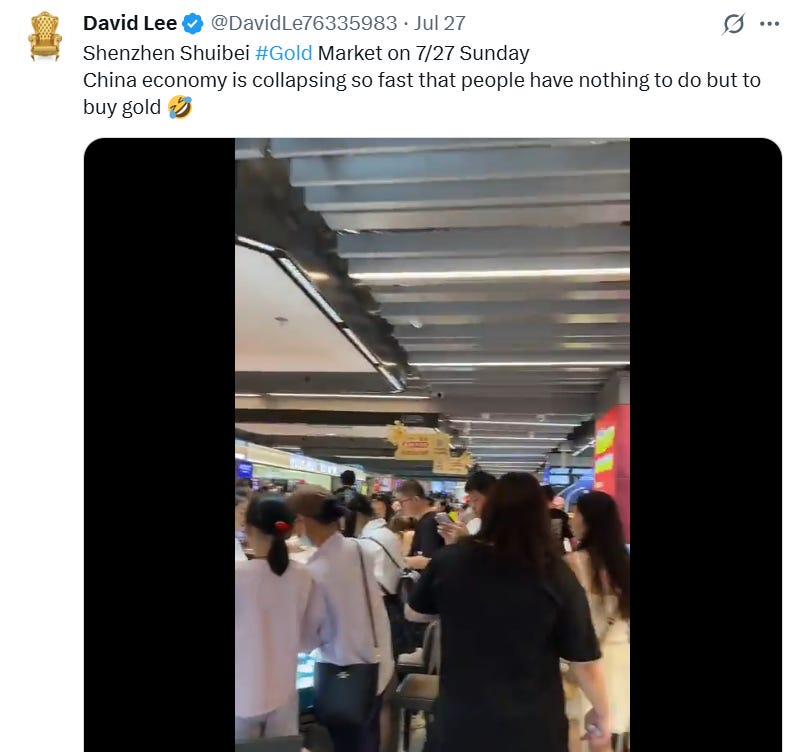
The shift is equally palpable at street level. In Shenzhen’s Shuibei district—ground zero for China’s gold boom—thousands of gold businesses witnessed frenzied trading on July 27. Here, amid mounting economic unease, gold is increasingly seen as the last dependable refuge as both savings and currencies erode. With China’s economic engine cooling and similar downturns echoed globally, grassroots buyers and investors are flocking to gold, even as the amount on offer stagnates.
Part IV: A Revealing Index: Gold and Wage Collapse
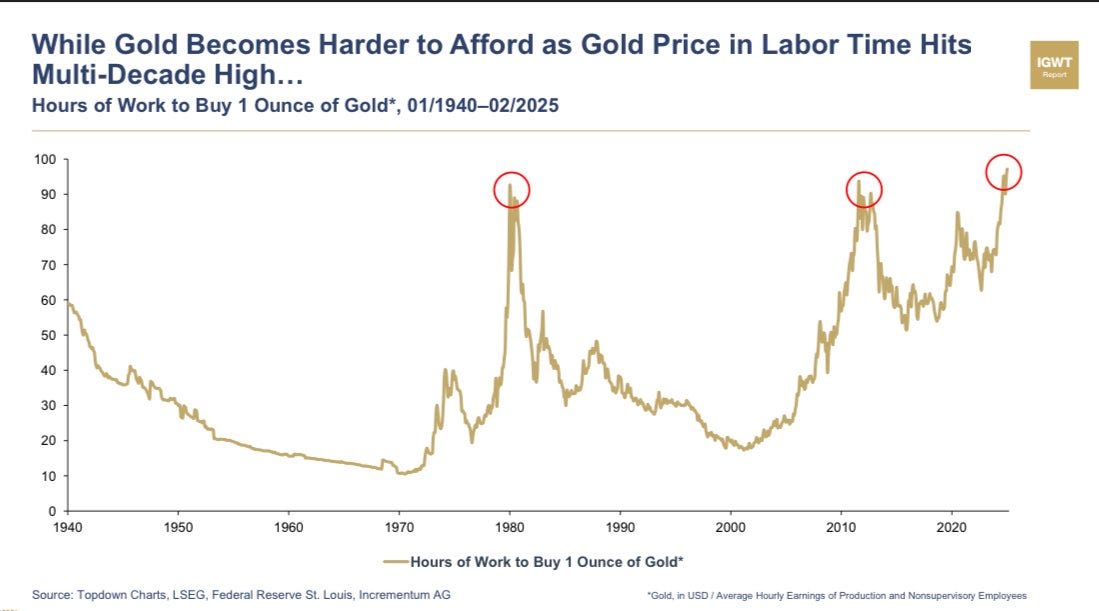
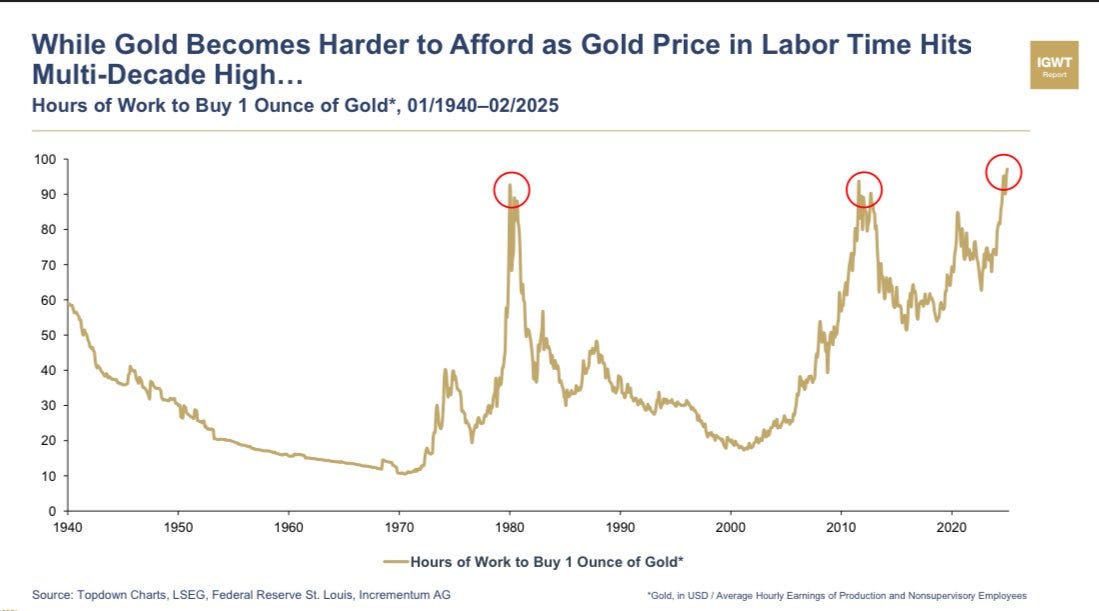
It now takes more hours of work to buy an ounce of gold than almost any time in modern history. This chart is screaming what everyone feels: Wages aren’t keeping up. Gold is getting out of reach. And fiat is quietly failing. You’re working harder… and getting less.
The gravity of these changes is underscored by a comparison that hammers home gold’s value as a barometer for fiat distress. In 1971, when gold traded at $44.60/oz, the U.S. minimum wage of $1.60/hour would net a worker 1.82 ounces of gold a week. Today, with gold above $2,600/oz, the same hourly wage—adjusted for gold purchasing power—would have to be near $150 to maintain that standard. Instead, workers now toil more hours than at virtually any time in modern history just to afford a single ounce.
Conclusion
The numbers behind Hong Kong’s dramatic gold export plunge illuminate far more than a short-term trade quirk. They mark a pivot in monetary power—out of the hands of Western-led paper markets and into the vaults and pockets of BRICS states and ordinary Chinese citizens alike. As supply constraints tighten and new gold exchanges emerge, the world is witnessing a profound reset: a return to gold’s starring role in both global power plays and everyday survival. Meanwhile, the divergence between fiat wages and gold is starkly clear—workers everywhere are working harder and getting less, as the resilience of gold exposes the persistent fragility of paper currencies.
Part V – analysts weigh in
Gold and Silver Analyst Tim Hack
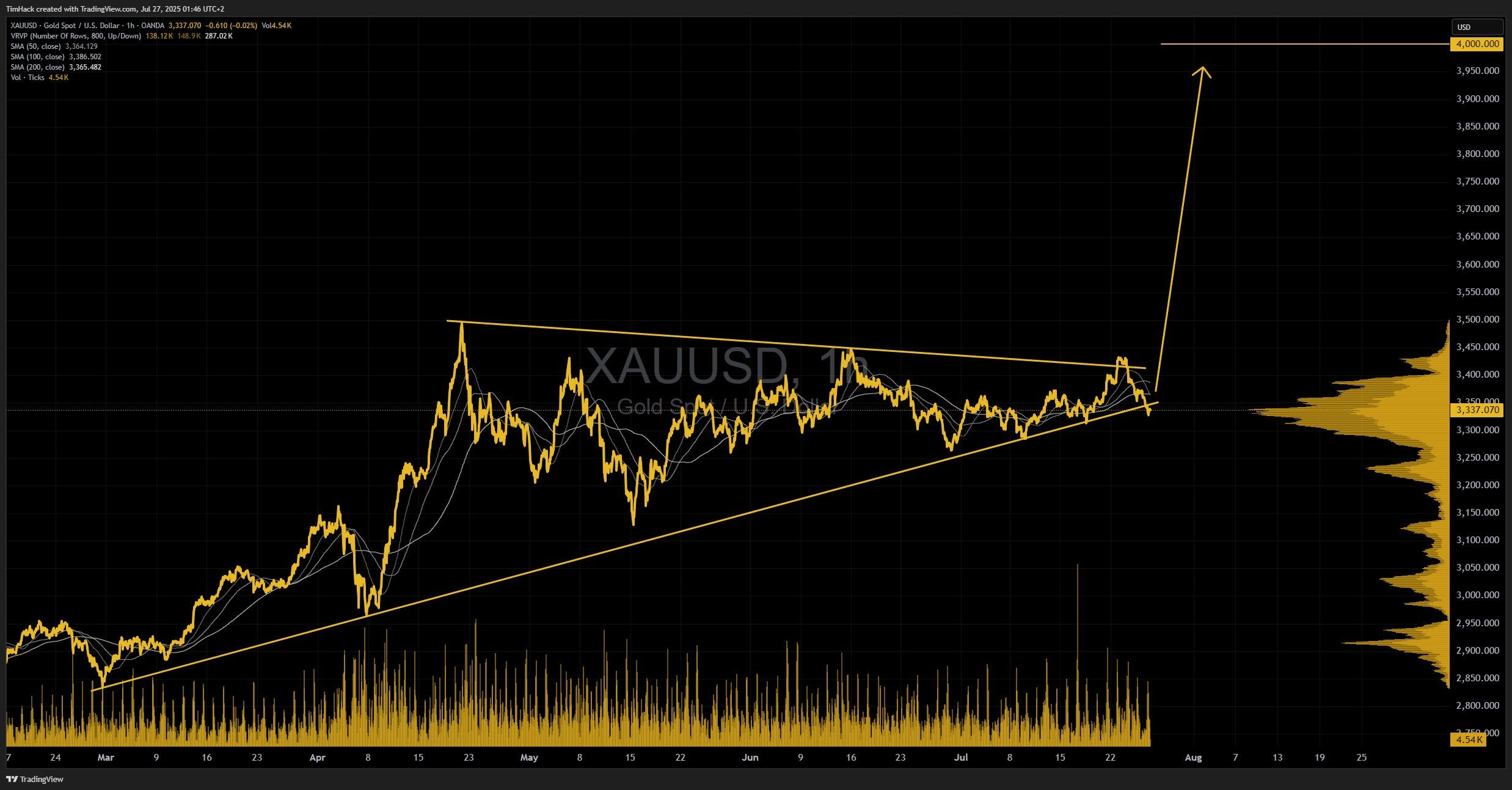
The next leg up in precious metals will start on Monday. Gold will rise 20% in 2 weeks towards $4000. Silver will rise by more than 30% reaching its all-time high. Well, it is Monday Tim but we agree with you, Gold and Silver are coiling
Gold and Silver Technical analyst Gary Savage writes:
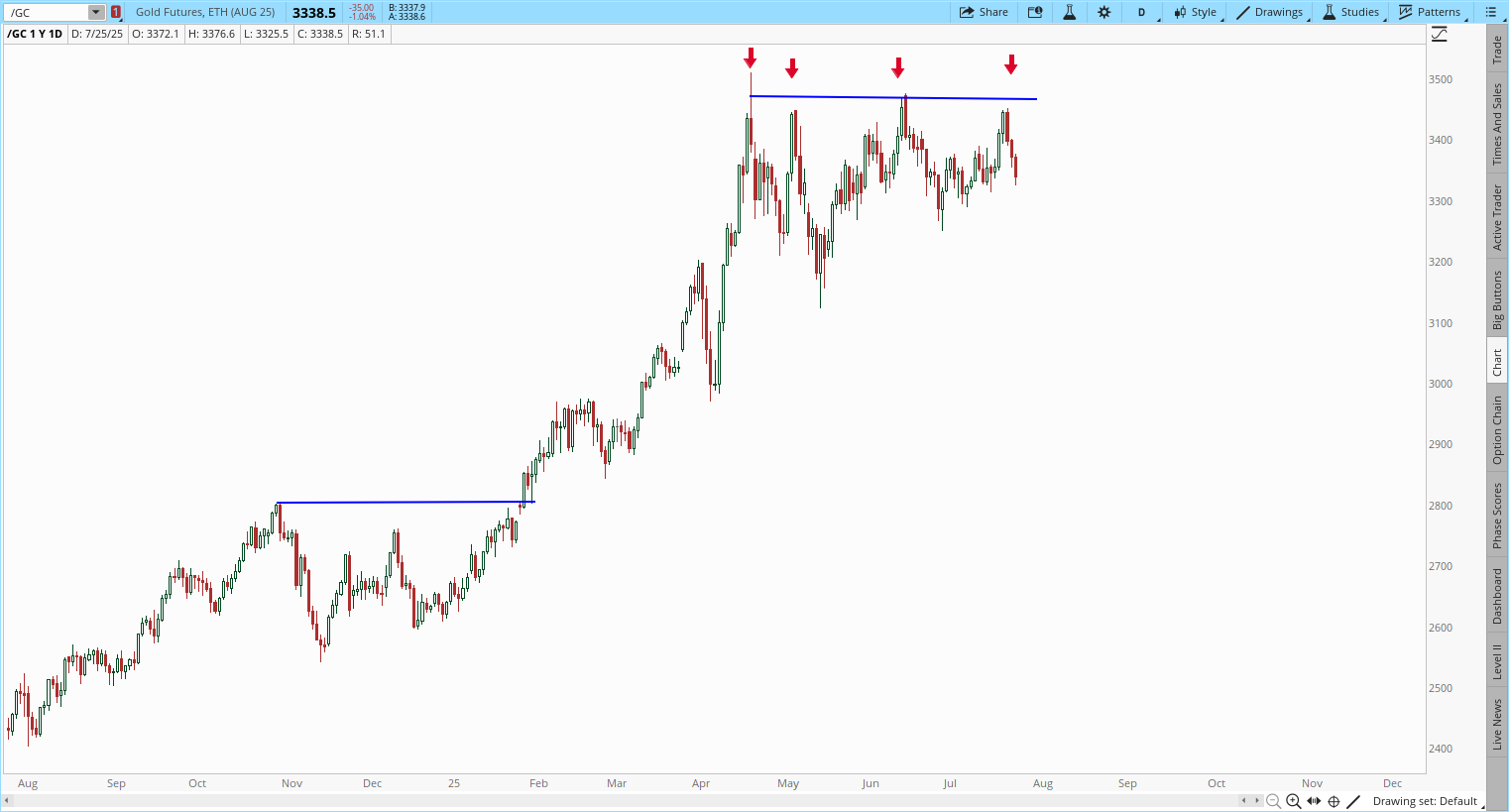
”There’s really no such thing as a triple or quadruple top. More than two tests of a resistance zone almost always indicates a market consolidating and preparing to breakout and run higher. The question isn’t if, it’s when. We should be getting close, maybe even this week. And don’t forget the rule: The bigger the base, the higher in space. This base is 3 months. That should be plenty long enough to power a move to $4000 and maybe even a little above that. The 3 month base at the end of last year powered a $700 breakout rally.”
Jon Little writes:
”Gold and silver are coiling with explosive potential after months of quiet buildup, and analysts say the stage is now set for an epic breakout. With a powerful three-month base mirroring last year’s $700 gold rally, the metals look primed to rocket—possibly shattering the $4,000 barrier and igniting a precious metals supercycle. The fuse has been lit; a surge of historic proportions could be just days away.”
end of segment