The Three-Legged March Toward Hyperinflation
If you wanted to collapse an economy on purpose, there’s a simple formula. You just cripple your supply chains, deport your workers, and then paper over the wreckage with printed money. That’s it. Congratulations—you’ve recreated the classic three-legged structure of hyperinflation. From Weimar to Zimbabwe to Venezuela, the formula hasn’t changed. Only the faces behind it have.
Leg One: Supply-Chain Sabotage
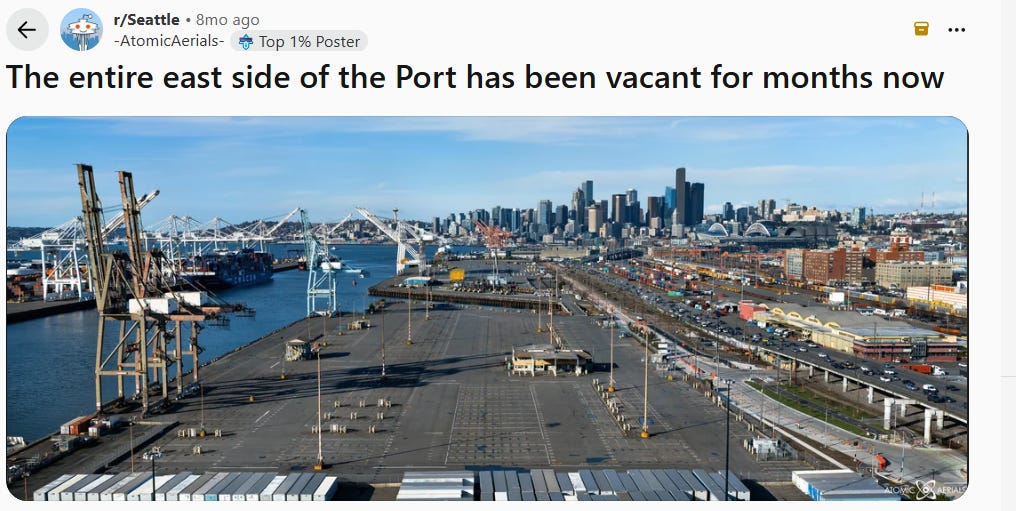
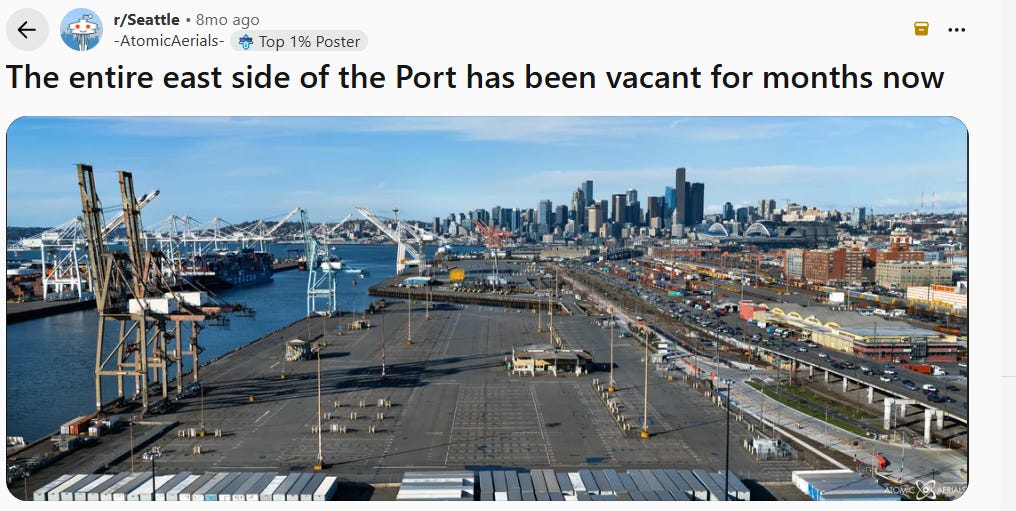
It all began with the sacred lockdowns. Factories closed, ports stalled, ships idled, and containers vanished. When those arteries of global commerce clogged, everything else followed. Suddenly, everyday products became exotic luxuries, and people called that “temporary.” But nothing is temporary in economics—especially stupidity. When critical goods like raw materials or energy bottleneck, their prices surge. Producers pass those costs along, igniting what experts politely label “cost-push inflation.” The polite term hides the ugly truth: when supply collapses, inflation isn’t a problem—it’s a policy choice. A rational government would relieve these constraints. A reckless one would pile on tariffs, choke imports, and declare victory against inflation while fanning its flames.
Leg Two: Labor Constraints—A Self-Inflicted Shortage

Then came the labor blunder. In a world already short of skilled workers, policymakers decided to deport the very people keeping agriculture alive, housing built, and logistics moving. That’s like setting your own house on fire to punish the cold. Tight labor markets drive wages up as businesses fight for workers. Those higher wages become higher prices. The cycle feeds itself—and when deportations shrink the supply of labor even further, wage inflation becomes structural. It’s not a temporary bump; it’s baked in. The same politicians who shout about “protecting domestic jobs” end up destroying the very supply lines, harvests, and industries those jobs depend on. The result: fewer workers, reduced output, and yet another leg under the great hyperinflation stool—shorter, but stronger with every misguided policy.
Leg Three: Easy Money, Easier Excuses

And when it all starts to unravel? Cue the money printers. Faced with mounting public anger and economic chaos, governments and central banks reach for their old drug—stimulus. “Liquidity support,” “targeted easing,” “temporary credit facilities”—different names for the same addiction. Money flows cheap and fast to keep businesses afloat and voters sedated. But the underlying problem isn’t liquidity—it’s scarcity. Pouring new money into an economy with too few goods and too few workers is like dumping gasoline on a forest fire and calling it rain. Once confidence cracks, velocity of money explodes. People spend before their cash loses more value. The “crack-up boom” takes hold, and prices double not yearly, but monthly. Hyperinflation doesn’t just happen—it’s earned, step by deliberate step.
The Vicious Feedback Loop
Each of these policies would be bad on its own. Together, they’re catastrophic. Supply shortages raise prices. Labor scarcity pushes wages higher still. Central banks ease to “soften the blow,” which floods the system with cheap money. That new money chases shrinking goods and services, driving demand precisely where supply cannot follow. The cycle loops endlessly: scarcity feeds inflation, inflation fuels panic, panic begets money printing. Soon, society doesn’t measure inflation by year-to-year CPI data but by the clock. Prices triple between breakfast and dinner.
Hyperinflation is not a mysterious event. It’s the logical, visible endpoint of idiocy disguised as governance. It’s what happens when economic ignorance meets political cowardice. Every nation that’s suffered it has followed the same road—choked supply chains, broken labor markets, and reckless money creation. The only difference now is that policymakers still pretend to be surprised when it happens.
If I were running an economy, I’d never add tariffs after a supply shock. I’d never deport the workers keeping the system functional. I’d never ease credit when inflation is already sticky. Those aren’t just policy errors; they’re acts of national vandalism. Hyperinflation isn’t an accident—it’s the punishment for ignoring arithmetic.
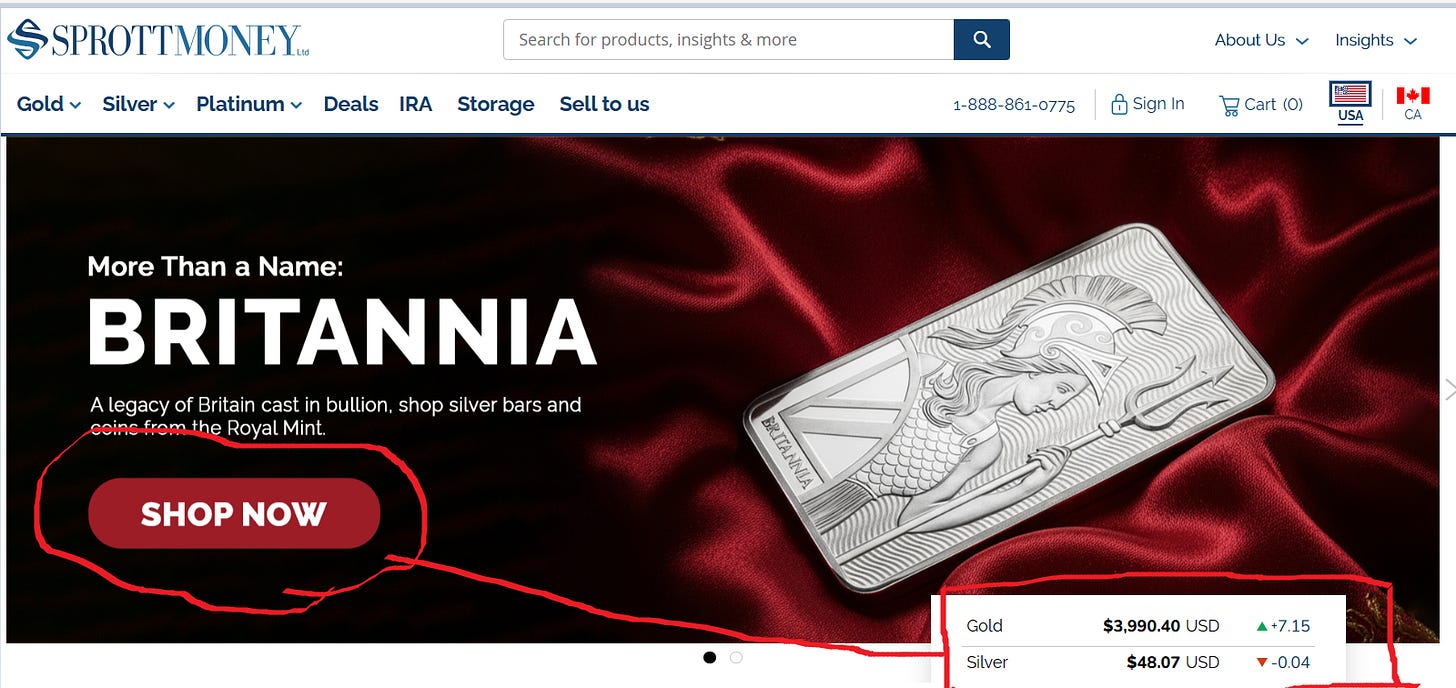
Buy Silver and Gold (Remember, when life is a shipwreck…Sing in the Lifeboats)
Buying silver and gold is a proven shield against both hyperinflation (worst case) and/or inflation (best case) because their intrinsic value and scarcity mean they cannot be inflated away like paper currency. (They can’t be printed)
As fiat money loses purchasing power, precious metals rise in value, preserving wealth. Gold and silver are globally recognized, easily tradable, and resistant to currency devaluation—making them strategic anchors when economic chaos destroys confidence in traditional assets.