
Foreword:
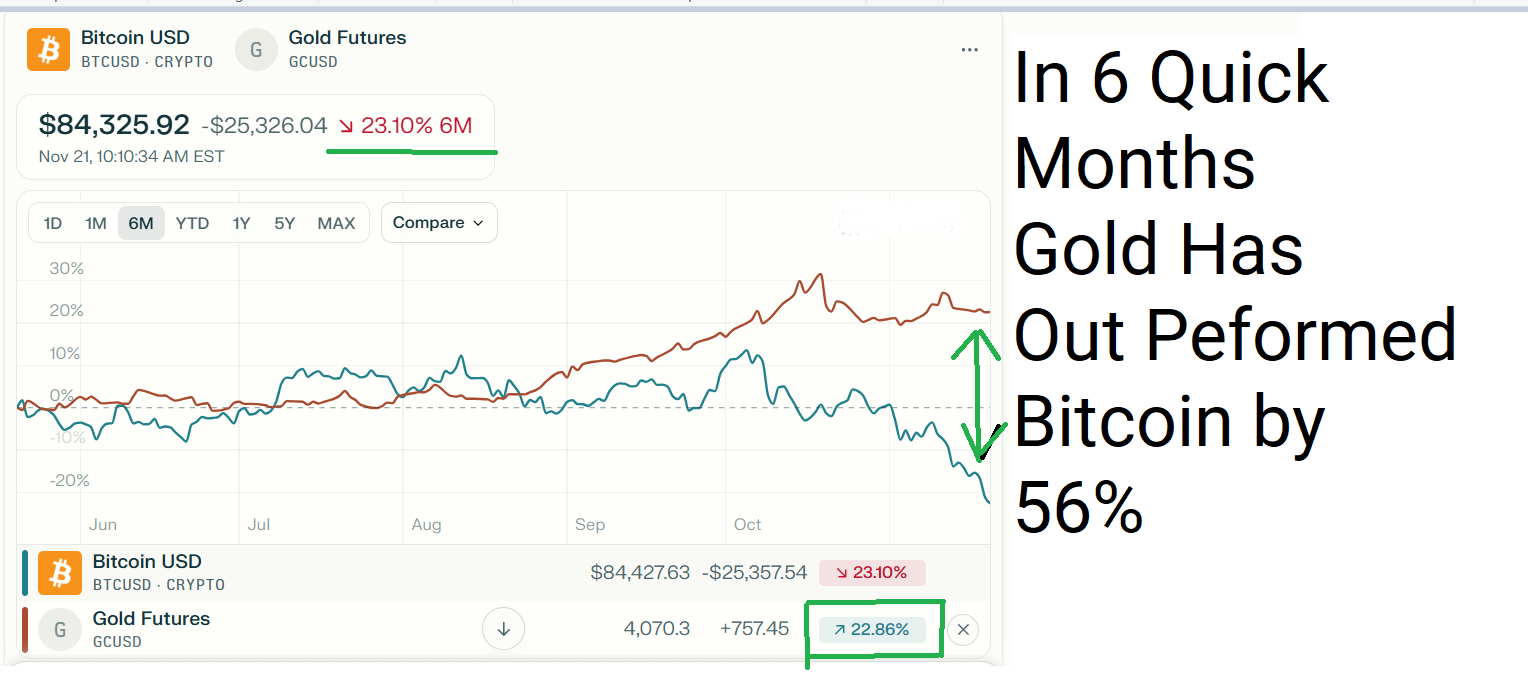
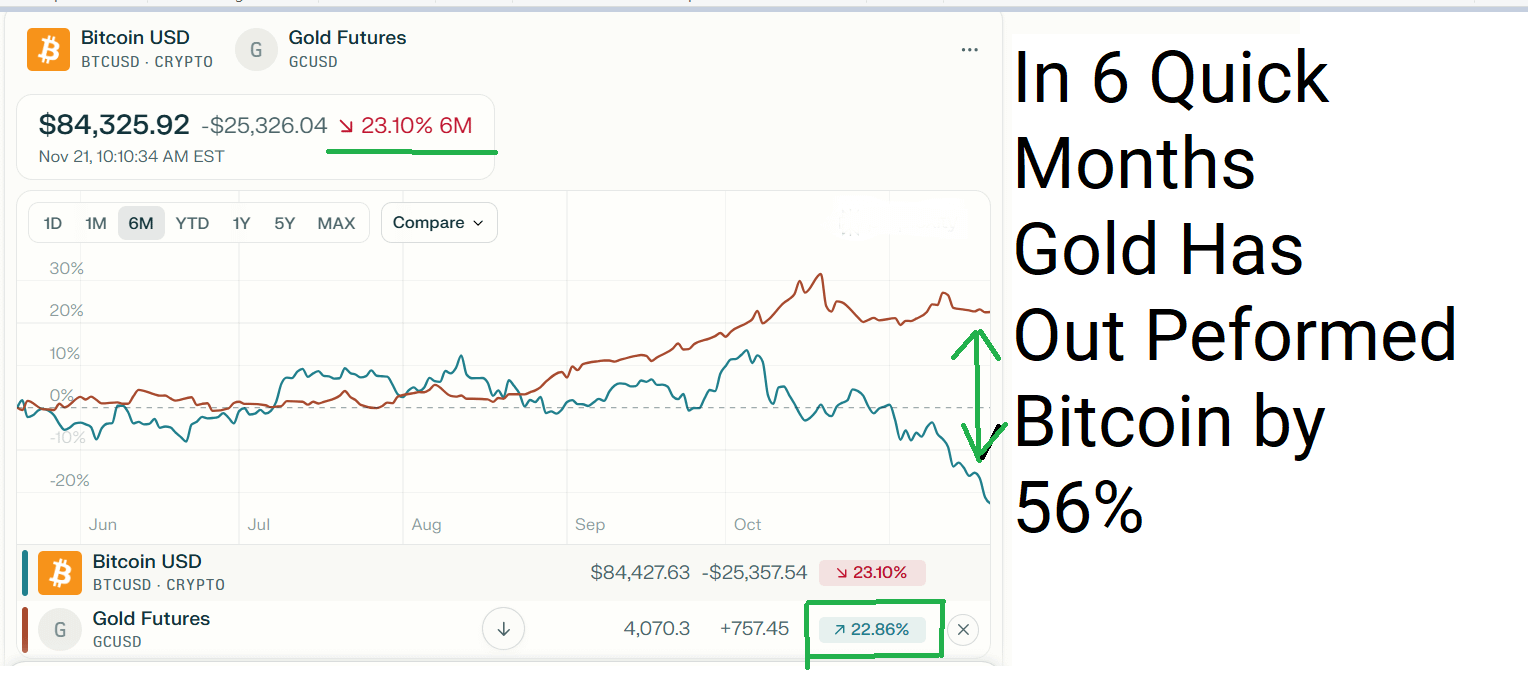
Over the past six months, Bitcoin has seen its price tumble from highs above $120,000 to around $85,000, while gold has surged to nearly $4,100 per ounce—up over 50% year to date. This divergence perfectly reflects escalating fears: waves of bitcoin seizures, hacks, and asset forfeitures have hammered confidence in its “safe haven” and “unconfiscatable” narrative. As governmental power over digital wallets grows, investors are flocking to gold, reaffirming its historical role as the ultimate sanctuary and leaving Bitcoin in the shadow of mounting vulnerability and stress.
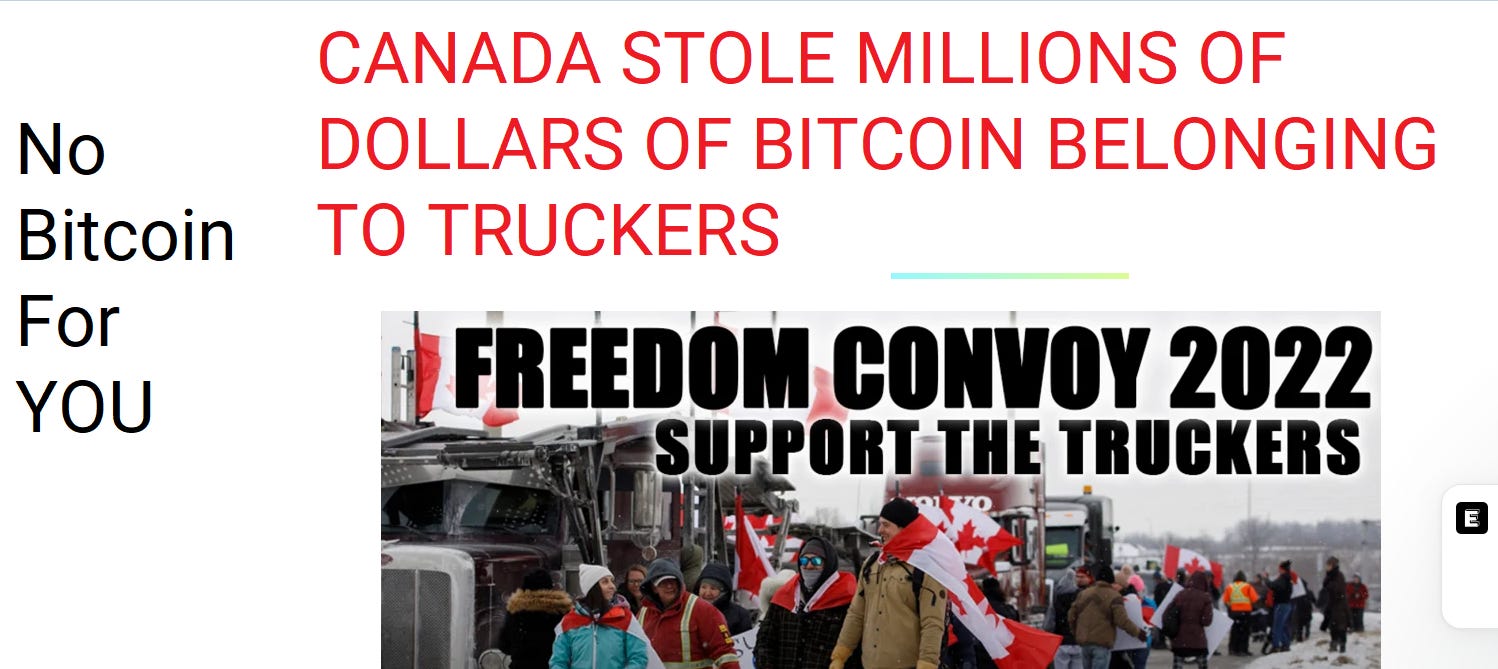
Meet Joe Reilly, an Alberta trucker, clutching his phone and staring at a frozen Bitcoin wallet. The news hits like black ice—his digital protest fund, powered by the “decentralized” promise of Bitcoin, has been immobilized by Justin Trudeau’s official order. What had seemed impossible was now routine: governments were seizing or rendering inert bitcoin reserves, with just a handful of keystrokes.
But Joe wasn’t alone. In late 2025, China delivered the loudest warning yet to the world: U.S. authorities had seized approximately 127,271 Bitcoin (today’s value: $15 billion) in what Beijing blasted as a state-directed heist against Chinese interests. China’s officials asserted that these coins, originally mined by LuBian—a top-tier Chinese mining pool—were stolen in December 2020 and lay dormant until a sudden flurry in June 2024, only to reappear under American control following a blockbuster Justice Department indictment against Chen Zhi, the Prince Group chairman. The indictment not only exposed one of the world’s largest cyber-fraud and forced-labor rackets but also bore a chilling detail—the bitcoin seized, now valued at $15 billion, was allegedly the very stash siphoned from Chinese and Iranian miners.
How seized bitcoin stacks up
Joe’s wallet, maybe holding just 1 Bitcoin (today $118,000), echoed a global pattern. Here are ten landmark cases, each paired with today’s market value:
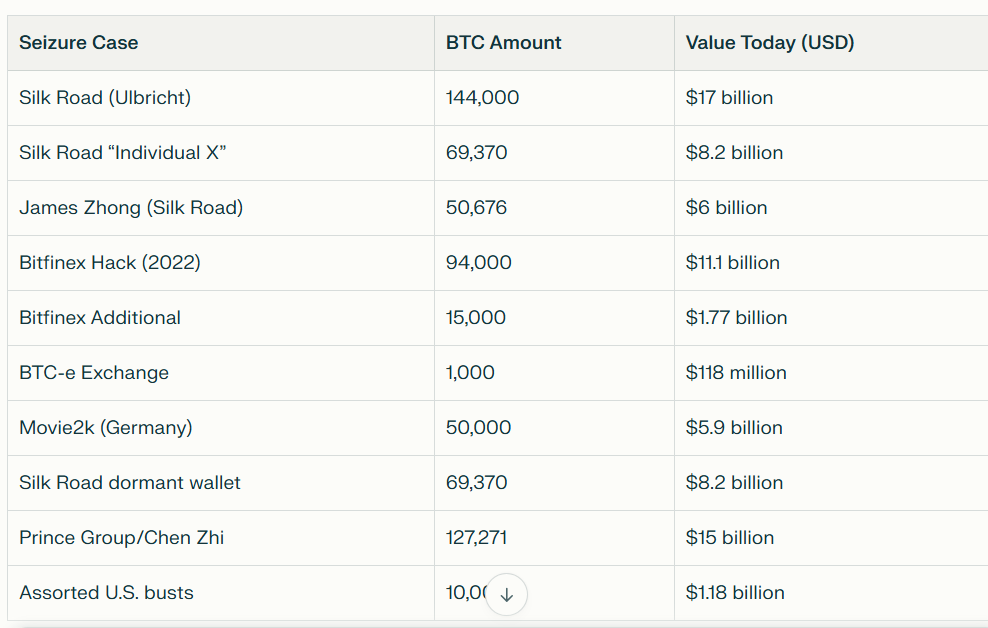
Today’s U.S. government bitcoin hoard, approaching 325,000 BTC (totaling about $38 billion), is almost entirely the result of asset forfeiture, criminal probes, and centralized management—nothing was “opted in” as a reserve or untouchable store of value.
From the myth of decentralization to asset control
Joe Reilly’s ordeal is a microcosm of systemic fragility. He believed in privacy, censorship resistance, and self-custody. The reality: one government request, a court order, and blockchain addresses go dark. When China accused the U.S. of orchestrating a $13–15 billion bitcoin hack, it laid bare the most inconvenient truth—state actors control, surveil, and seize vast digital assets just as surely as their fiat counterparts.
Encryption and open ledgers are powerless against organized power. Just as Canadian and American agencies immobilize wallets and monitor flows, governments hold concentrated bitcoin reserves and determine fate by decree. The Prince Group saga leaves little doubt: the supposed “safety” and “decentralization” of bitcoin exists only until the power structure decides otherwise. Far from being unconfiscatable, bitcoin’s ledger and network architecture make tracking, freezing, and seizing assets not only possible, but routine.
The indictment—both literal and figurative
Joe Reilly’s frozen coin represents millions of silenced protestors and cybercrime victims. As governments snaffle billions in bitcoin—$15 billion here, $11 billion there—privacy shrivels. Decentralization dies in custody. And in the end, what’s left for the believer in bitcoin’s gospel is a harsh, undeniable reality: state actors, not users, hold all the keys
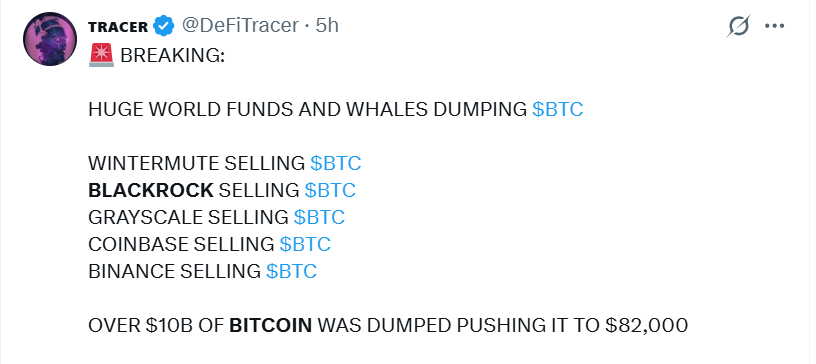
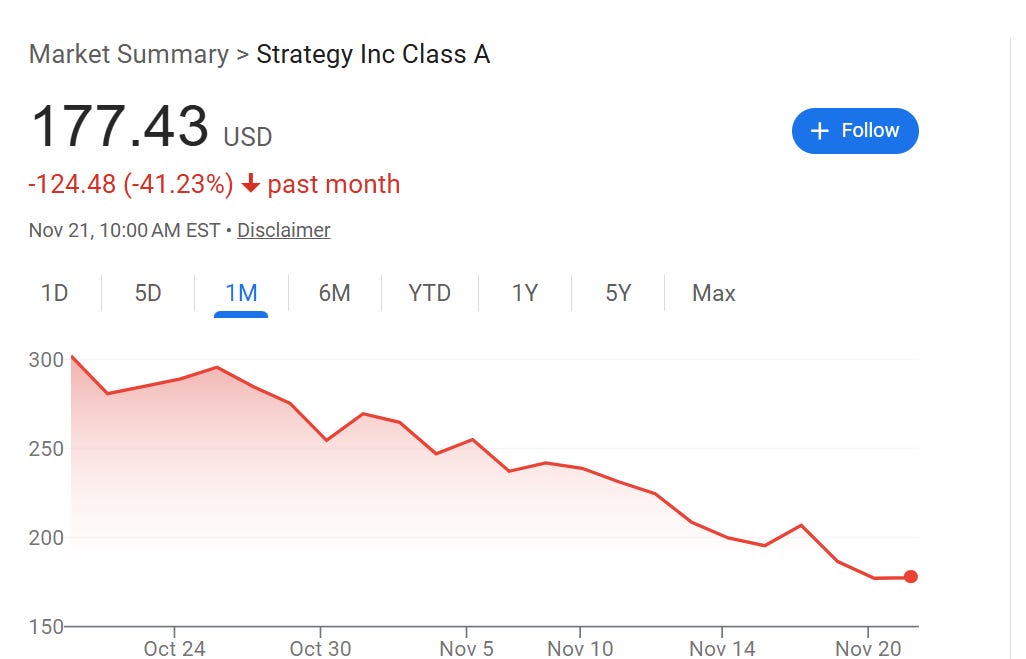
Gold and silver have outlasted 3,000 years of human upheaval—enduring wars, revolutions, famines, plagues, earthquakes, tsunamis, and floods, while continually preserving value and purchasing power across continents and empires. Their resilience is proven by millennia of turmoil and regime change. By contrast, Bitcoin , launched in 2009, has yet to face even a single true recession, was absent during the 2008 financial collapse, and exists in a world where its durability remains entirely unproven by historical crisis or natural catastrophe
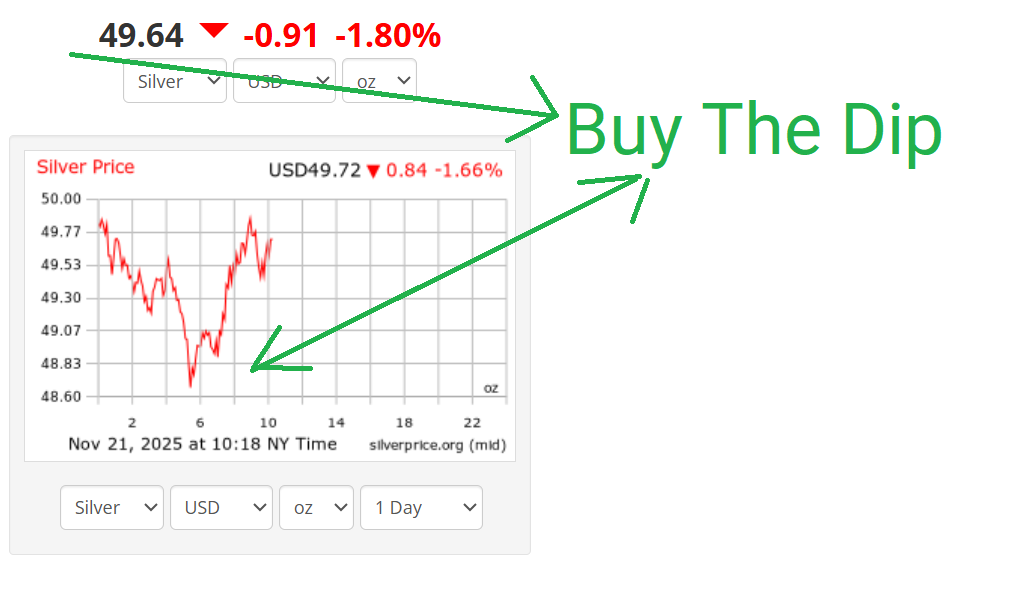
Buy the Dip at Sprottmoney.com
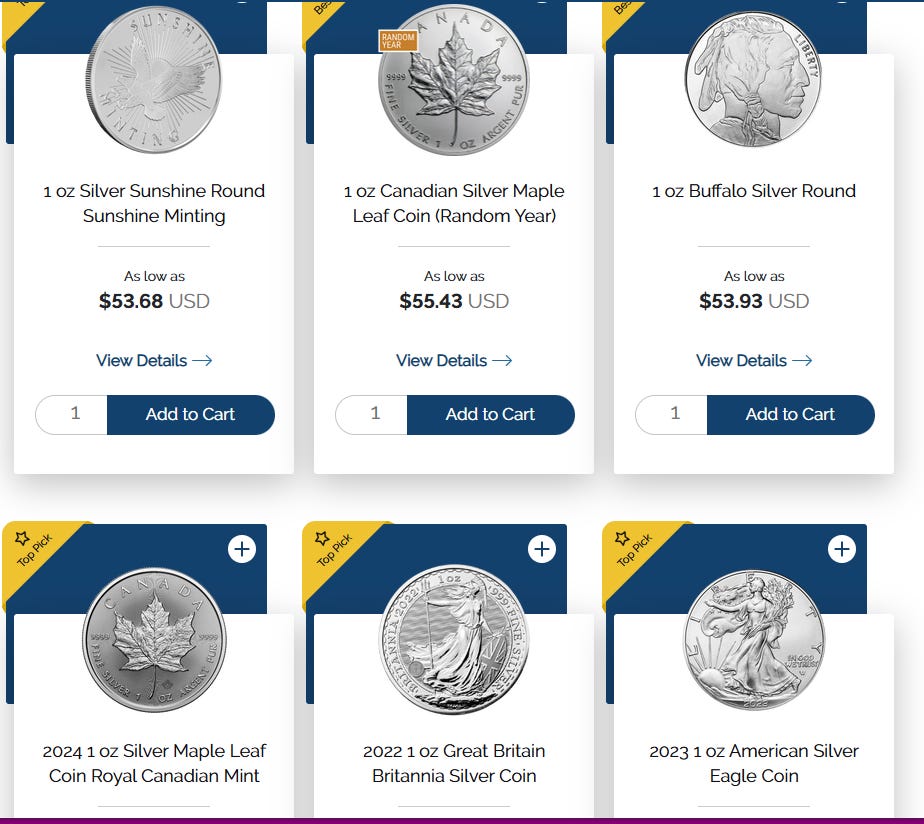
Click on the Silver coins below to BUY SILVER NOW
-
our opinions are not our sponsors opinions
-
the editorial department is separate from promotions department
-
not financial advice
-
BUY Silver (The No Brainer of the past 2000 years)