
1. A worldwide battle for control of metals is raging.
The contest for critical minerals is now a front-line strategic theater, shaping industrial capacity, military readiness, and technological leadership among major powers. Nations are scrambling to secure lithium, cobalt, nickel, copper, rare earths, and graphite because these inputs determine who dominates energy, AI, and defense supply chains. China controls up to 90 percent of processing capacity for key rare earths, turning refining into a geopolitical chokepoint. The United States, European Union, India, and Japan are simultaneously launching critical minerals strategies, bilateral agreements, and security pacts explicitly framed around reducing vulnerability to foreign control. S&P Global now projects copper demand alone could reach 42 million tonnes by 2040, underscoring the scale of this resource contest.
Examples:
-
China’s rare earth export controls on Japan in 2010 and new controls on graphite and tungsten in 2024 showed how metals are weaponized in geopolitical disputes.
-
EU–US “critical minerals” talks and Japan–US mineral agreements are explicitly designed as strategic responses to supply insecurity.
-
China is spending heavily to secure supply dominance.
China has spent decades deploying state-backed capital to dominate mining, refining, and logistics for critical minerals worldwide. It refines roughly 73 percent of the world’s cobalt, 68 percent of nickel, 59 percent of lithium, and 40 percent of copper, giving Beijing immense leverage over downstream industries from EVs to advanced weapons. In Africa and Central Asia, Chinese firms use long-term offtake agreements, infrastructure-for-resources deals, and equity stakes to secure priority access to ore for decades. This strategy is supported by policy banks, export credits, and Belt and Road financing that Western competitors rarely match on price or risk appetite. Beijing’s consolidation of rare earth SOEs into national champions further concentrates pricing power and bargaining leverage.
Examples:
-
China’s critical minerals strategy in Africa includes major positions in cobalt in the Democratic Republic of Congo and new rail projects in Tanzania and Zambia to move nickel and other ores to port.
-
In Central Asia, China-linked ventures control key rail routes like the China–Kyrgyzstan–Uzbekistan corridor, tightening its grip over mineral transit.
-
The West is now alert to this reality.
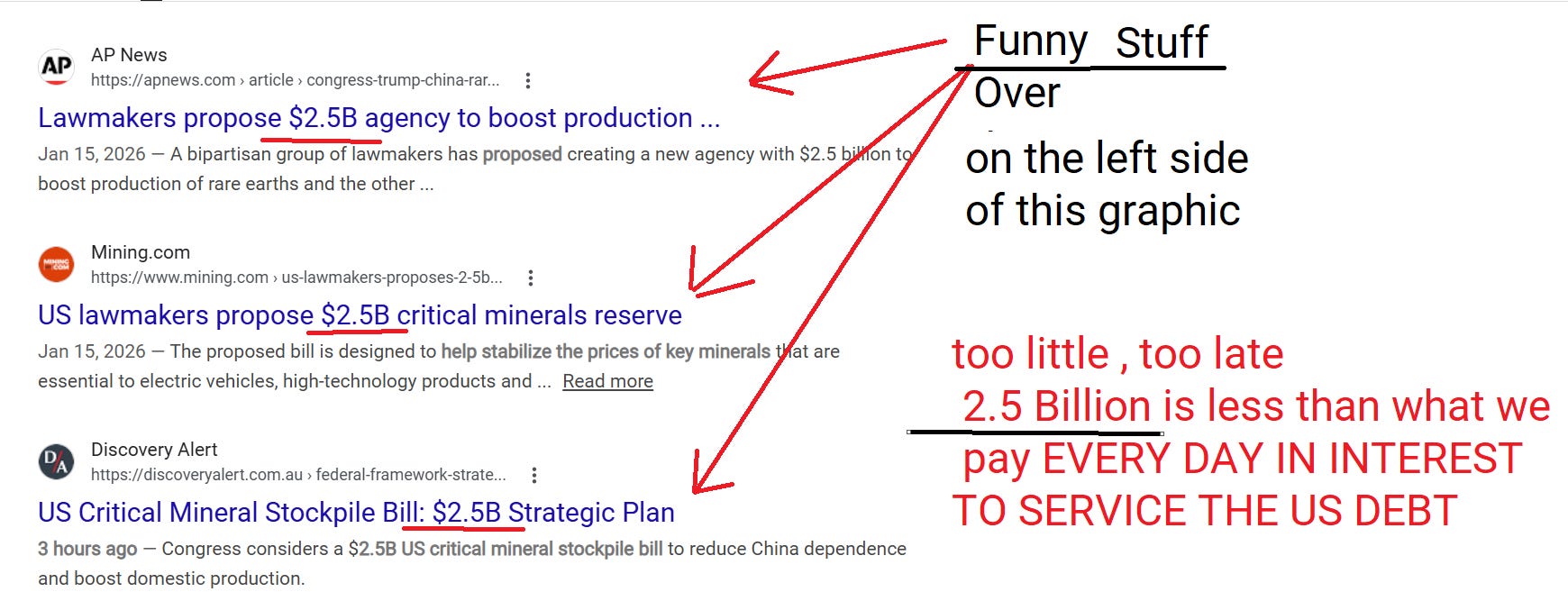
After years of complacency, Western governments now treat critical minerals as national security assets, not mere commodities. Washington’s recent critical minerals policy work, executive orders, and congressional reports explicitly warn that Chinese control of up to 90 percent of rare earth and finished product markets is a strategic liability. The European Union’s Critical Raw Materials Act and EU–US Critical Minerals Agreement aim to diversify supply, streamline permitting, and promote domestic and allied production. New funding, tax incentives, and fast-track approvals are being deployed to jump-start mining, refining, and recycling capacity across North America, Europe, and partner states. Industry and security communities now openly describe minerals as chokepoints that can halt defense production and clean-energy deployment.
Examples:
-
The EU has labeled 47 “Strategic Projects” in raw materials, backed by an estimated €22.5 billion in investment and accelerated permitting.
-
A recent U.S. policy report frames critical minerals as vital to economic and military power, calling for reshoring and allied sourcing to counter Chinese dominance.
-
Prices will rise with intensifying national rivalries.
Intensifying geopolitical competition for finite mineral deposits is structurally bullish for prices over the medium and long term. The International Energy Agency notes that the market size for key energy-transition minerals has already doubled in five years, powered by surging EV, battery, and renewables demand. Lithium demand has tripled, while cobalt and nickel demand have risen sharply, creating chronic pressure on supply even before full-scale electrification and AI deployment are realized. S&P Global warns copper demand could be about 50 percent higher by 2040 than 2025 levels, suggesting substantial price support unless massive new supply comes online. As states prioritize security of supply over lowest cost, long-term offtake contracts, export controls, and strategic stockpiling tend to tighten spot markets and raise clearing prices.
Examples:
-
Investment in mineral development jumped 30 percent in 2022 after a 20 percent increase in 2021, a response to both higher prices and anticipated shortages.
-
China’s export controls on rare earths, graphite, and tungsten have already triggered price and supply volatility for Western manufacturers.
-
Investment will surge into mining to pursue supply.
As governments and corporations confront looming supply gaps, capital is increasingly redirected toward exploration, development, and processing of critical minerals. There has been a marked acceleration in spending on lithium, copper, and nickel projects, with lithium investment rising by roughly 50 percent in a single year. Institutional investors, sovereign funds, and strategic corporate buyers are all seeking exposure to upstream assets to hedge against future shortages and input-cost risk. Policy support—fast-tracked permits, subsidies, and strategic-project labels—further enhances expected returns, drawing in additional private capital. As energy transition, AI, and defense demand compounds, mining equities and project finance are poised to attract larger allocations relative to other sectors.
Examples:
-
The global critical minerals market is projected to grow from about US$328 billion in 2024 to roughly US$587 billion by 2032, reflecting both higher prices and expanded investment.
-
The EU’s €22.5 billion in designated strategic raw-materials projects signals a major public–private capital wave into mining, processing, and recycling infrastructure.
end of segment