
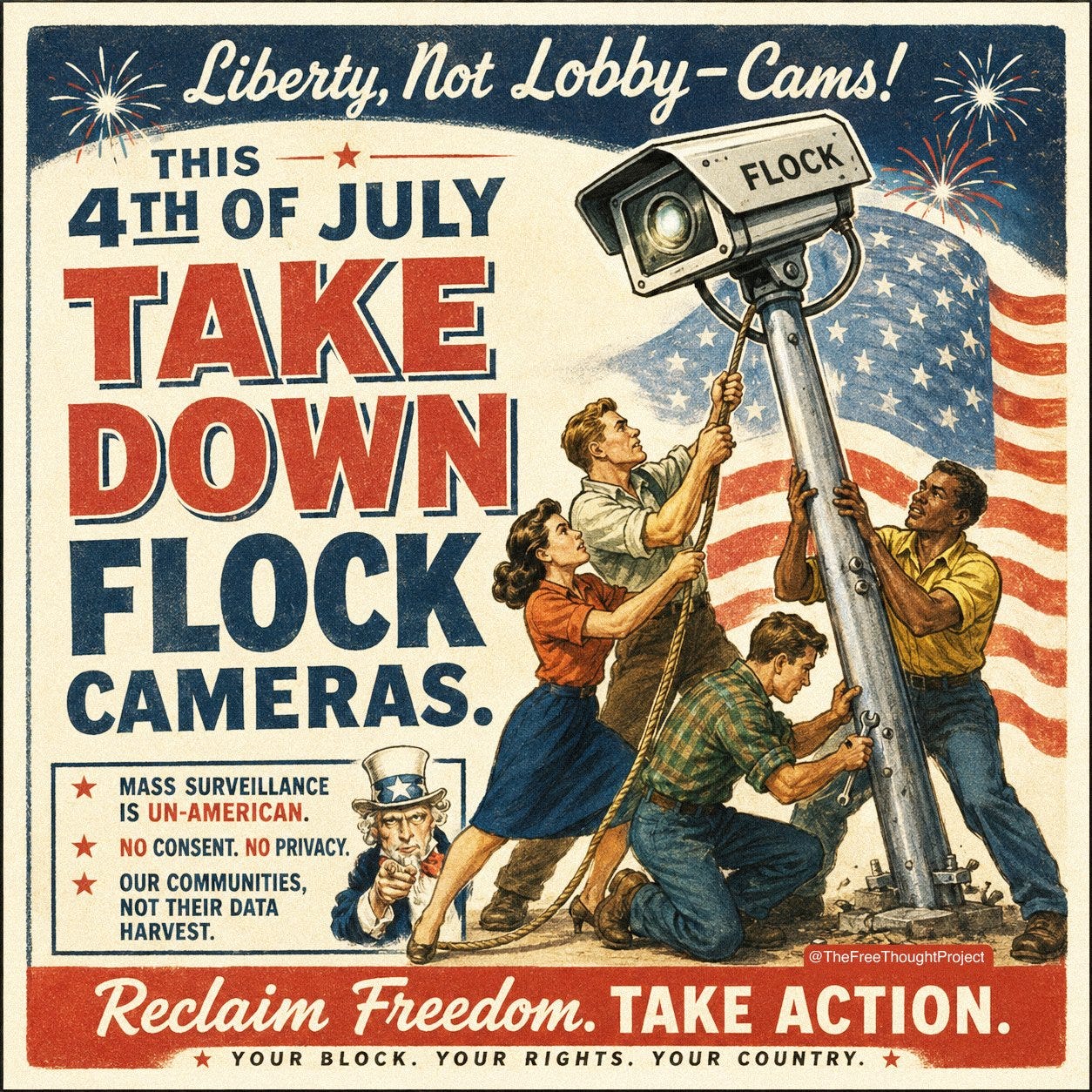
A Revolution Over 2%
The Fourth of July was once a warning shot to tyranny, not a branding exercise for it. The men who dumped tea into Boston Harbor did so over a 2% tax—two percent. Today, Americans are being crushed under triple-digit increases across essential goods, while being told with a straight face that “inflation has eased.” It would be laughable if it weren’t so corrosive.
The Reality They Can’t Spin
Step outside the data releases and into the real world. A simple concession stand order—two drinks—costs $14. The vendor says her input costs have nearly doubled in a year. That is not statistical noise. That is monetary decay, felt in real time by real people. Meanwhile, policymakers recite carefully constructed narratives designed to soothe markets, not reflect reality.
The Epstein Economy
Behind the curtain, a different system operates—one that increasingly resembles extraction, not governance. Call it the “Epstein class”: a network of financial and political elites insulated from consequence, enriched by proximity to power, and sustained by a permanent cycle of crisis. Endless wars funnel public wealth into private hands. Insider trading masquerades as portfolio management. The Federal Reserve quietly absorbs toxic corporate debt, socializing losses while privatizing gains.
Main Street Is Breaking
And Main Street is paying the bill.
Small business bankruptcies are up 26% year over year. Total bankruptcy filings have climbed nearly 12%. Hiring plans have collapsed to levels not seen since the 2020 shutdown era. Optimism is below its long-term average, and uncertainty remains elevated. At the same time, price hike plans are surging again. This is not a recovery—it is compression. Margins are being squeezed from both sides: weakening demand and rising costs.
The Great Divergence
Yet the stock market pushes higher.
This is the Great Divergence: financial assets levitated by liquidity, while the real economy deteriorates beneath them. When small businesses close, expansion halts, and hiring freezes, the labor market inevitably weakens. The latest payroll report confirms it—just 57,000 jobs added, with a falling unemployment rate driven not by strength, but by a shrinking labor force. Nearly three-quarters of a million people simply disappeared from the count.
The Narrative Machine
Still, the narrative persists.
A weakening dollar, falling yields, and softening data have pushed gold back above $4,100—an unmistakable signal. Markets are beginning to price in what policymakers refuse to admit: the system is unstable, and credibility is eroding. Gold is not rising because of fear alone—it is rising because trust is collapsing.
Tyranny Without Soldiers
The Founders understood something modern leaders have forgotten: tyranny does not always arrive with soldiers. Sometimes it arrives as policy, dressed in technical language, justified by experts, and enforced through economic pressure.
The question is no longer whether the system is breaking. It is who it is breaking for—and who it is designed to protect.
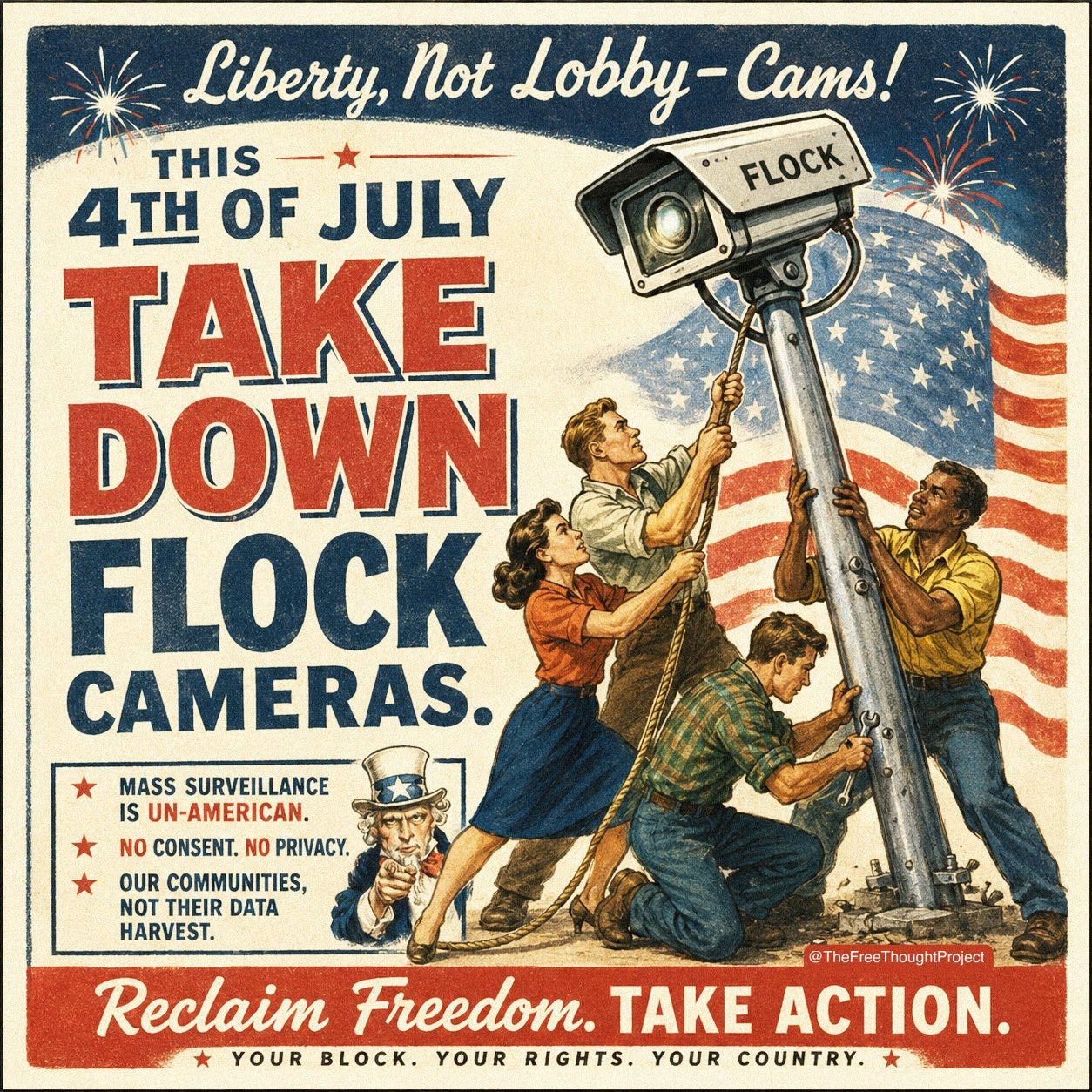
The Line Between Citizen and Subject
If this trajectory continues, the final stage is not just economic extraction—it is total visibility. A system where every movement is logged, every transaction monitored, every action recorded and stored. Not for safety, but for control.
What we are witnessing is the quiet normalization of mass surveillance in America.
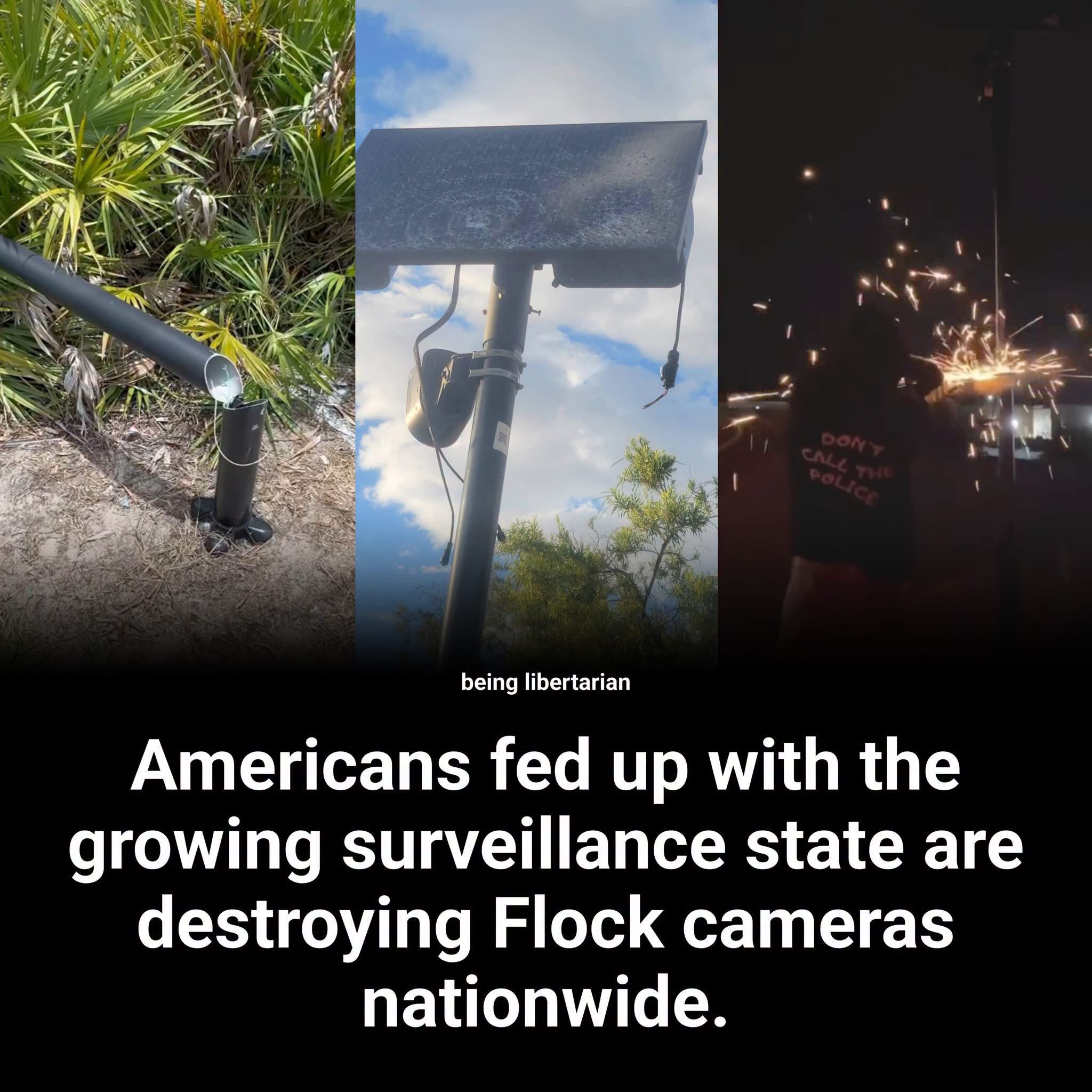
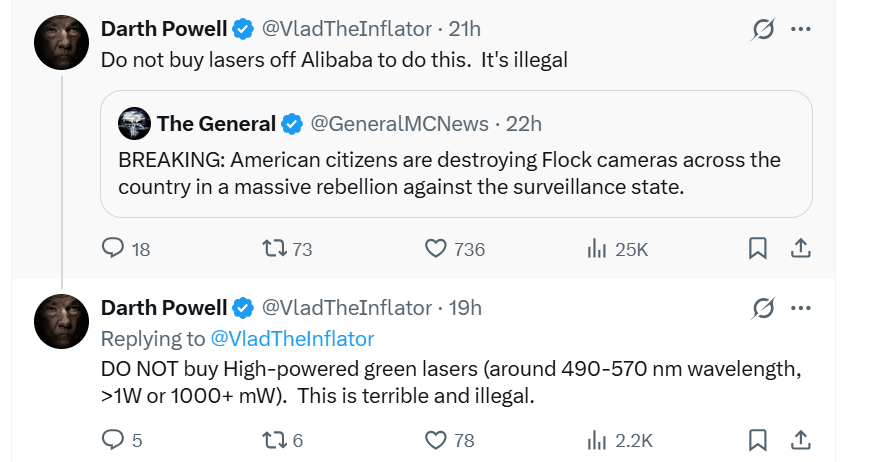
A private network of automated license plate readers now tracks the daily movements of millions of Americans. Your vehicle, your location, your routines—captured, timestamped, and stored in vast databases. This information is accessible to law enforcement agencies without a warrant, without probable cause, and without your knowledge. Not because you are suspected of a crime, but because the system exists to collect first and justify later.
And it is already being abused.
These tools have been used to stalk former partners. To monitor protesters with no charges filed. To assist federal agencies in tracking immigrants. To pursue individuals across state lines over deeply personal decisions. On top of that, documented security failures have exposed sensitive data to the open internet. This is not a hypothetical risk—it is an active breach of civil liberties happening in real time.
Worse still, there is no meaningful oversight.
No federal framework. No independent accountability. No requirement for warrants. And despite the scale of this surveillance apparatus, there is little credible evidence that it meaningfully reduces crime. The tradeoff being forced upon the public is clear: surrender your freedom, in exchange for the illusion of security.
The Patriot’s Response
The spirit of 1776 was not compliance—it was resistance to unjust power, however it presented itself.
Today, that resistance will not look like muskets and harbor protests. It will look like awareness, refusal, and parallel systems. It means questioning narratives that demand blind trust. It means protecting your privacy in a world designed to erode it. It means supporting local economies over centralized control structures. It means opting out where possible, and speaking out where necessary.
Because the line between citizen and subject is not erased overnight—it is surrendered piece by piece.
And once it is gone, it does not return easily.
The Founders acted over a 2% tax. The question now is whether modern Americans will recognize what is being taken—before there is nothing left to defend.
-
They call them Flock cameras for a reason—the same people building the system already see you as
the flockthe sheep -
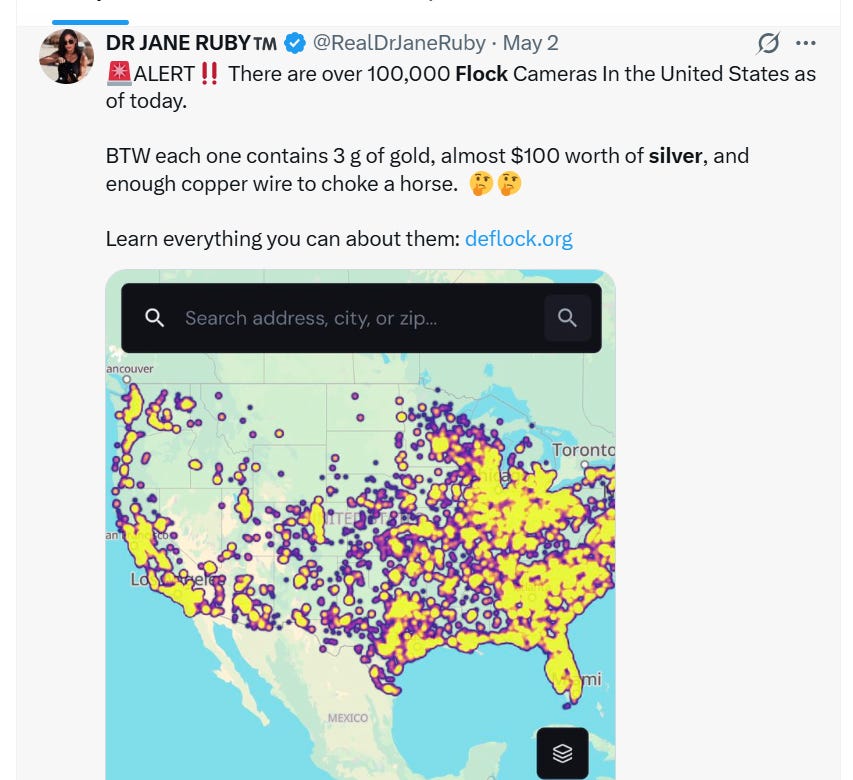
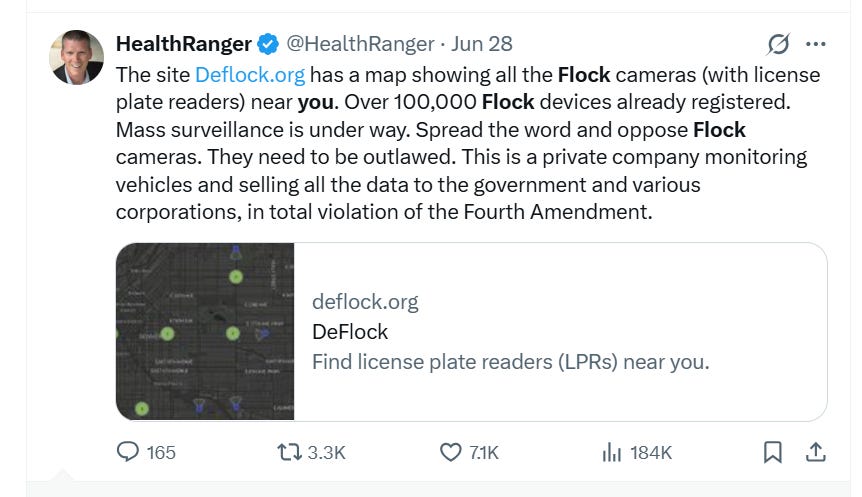
More on operation Deflock below (deflock.org)
-
Yes there is a silver lining here
-
Replacing 100,000 cameras
-
Each camera uses 1.5 ounces of Silver
-
or a total of 150,000 ounces of silver
end of segment
-
our opinions are not our sponsors opinions
-
the editorial department is separate from the promotions department
-
not financial advice