
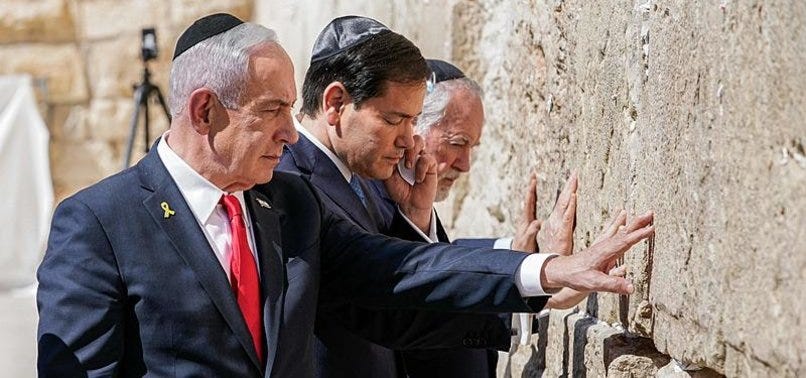
by Jon Little intern Niko Moretti
February 5, 2003. Inside a secure conference room in Washington, the neocon inner circle—Cheney, Rumsfeld, Wolfowitz—sat across from Secretary of State Colin Powell. The mood was tense, focused. A sheaf of documents on Iraq’s alleged weapons of mass destruction was placed before Powell.
“Iraq’s hiding WMDs, Colin. The world needs to see it,” Cheney pressed. Wolfowitz nodded, quietly suggesting consequences beyond mere regime change—punishments for nations trading oil outside the U.S. dollar, perhaps a windfall of gold and crude reserves awaiting the victors. Powell, steely but uncertain, was outnumbered.
They rehearsed the talking points again and again. Days later, Powell would recite the story at the UN, helping launch a war for “threats,” but beneath the words, old motives lingered—control of currency, oil, treasure from Baghdad’s vaults. The rest is history.
Segue:
The U.S. has deployed around 10,000 troops near Venezuela as of late October 2025, with about half stationed at sea on eight Navy warships and the other half at bases in Puerto Rico and the Caribbean. This force includes the USS Gerald Ford aircraft carrier, a Marine expeditionary unit, fighter jets (including F-35s), drones, and surveillance aircraft—the largest American military buildup in Latin America in decades. The deployment is framed as targeting “narco-terrorists,” but analysts and opposition sources believe its real aim is pressuring or potentially ousting Maduro.
October 31, 2025: Two decades after the war rooms of Iraq, the scene repeats. U.S. military officials, now operating under Donald Trump, escalate a campaign against Venezuela—warships mass off the coast, strikes rattle the region. The aim is clear: regime change and control of Venezuela’s vast oil reserves, echoing old patterns of invasions justified by shifting claims, but always circling back to resources and the dollar.
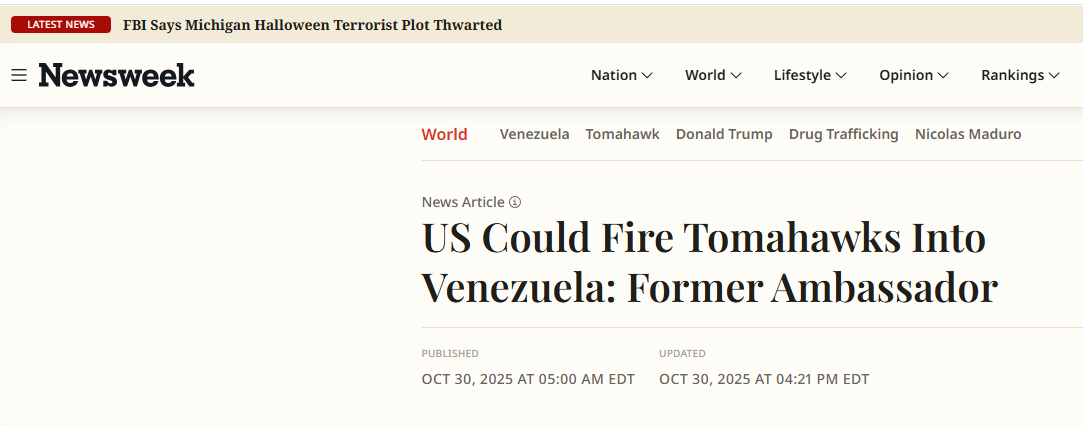
The U.S. assault on Venezuela’s military targets represents not just imperial aggression, but a new chapter in the dollar-fueled global power game—one now directly tied to Israel, and fiercely contested by emerging Eurasian alliances.
Fiat Wars: Unlimited Dollars, Unlimited Destruction
Washington’s wars—251 since the 1990s, over $8 trillion and counting since 9/11—exist only because fiat money floods the coffers of defense contractors, base builders, and regime change plotters. Honest monetary constraint, such as gold or silver, would make this cost unbearable and unpayable.
Machado: Venezuela’s U.S.-Backed, Pro-Israel Pawn
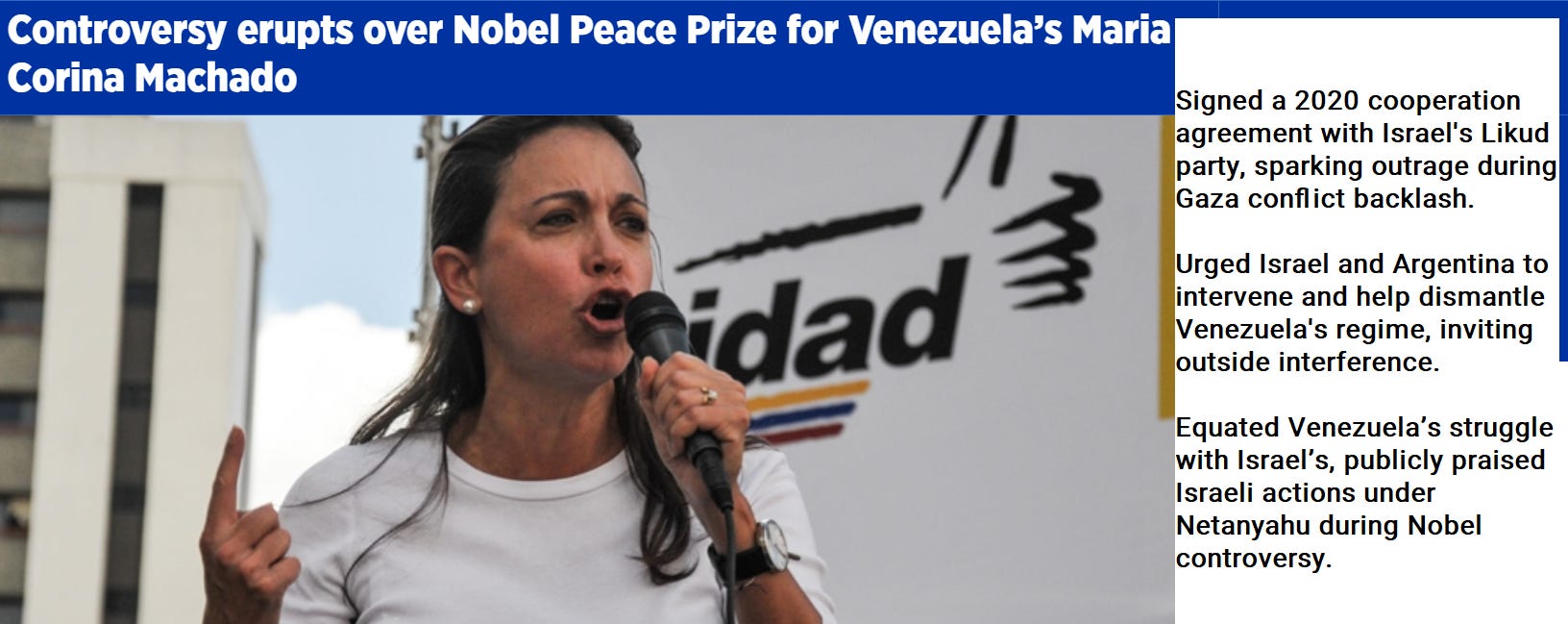
The U.S. regime change machine is now headlined by María Corina Machado, opposition leader and Nobel laureate, whose platform is openly pro-Israel. She has pledged to move Venezuela’s embassy to Jerusalem, expressed solidarity with Israel’s operations in Gaza, lauded Israeli military actions, and signed official cooperation agreements with the Likud Party. Machado pitches Venezuela’s future as intertwined with Israel’s struggle, seeking diplomatic restoration and drawing support from U.S. and pro-Israel circles—making Venezuelan sovereignty subservient to foreign interests.
The Eurasian Response: Standing with Venezuela
In a direct rebuke to American and Israeli designs, Russia, China, and North Korea have declared their willingness to support Venezuela militarily, diplomatically, and economically. Joint statements warn that attempts at regime change will face coordinated Eurasian resistance, escalating the stakes far beyond Latin America.
Lobbyists, War Profiteers, and Media Suppression
AIPAC and related networks dictate the priorities of Congress, shielding Israeli strikes—hundreds in the last decade—while domestic peace advocates such as Gerald Celente have their voices censored and their rallies ignored by mainstream media. Dissent against war profiteers is systematically silenced.
Scott Ritter: Rubio as Israel’s Pawn
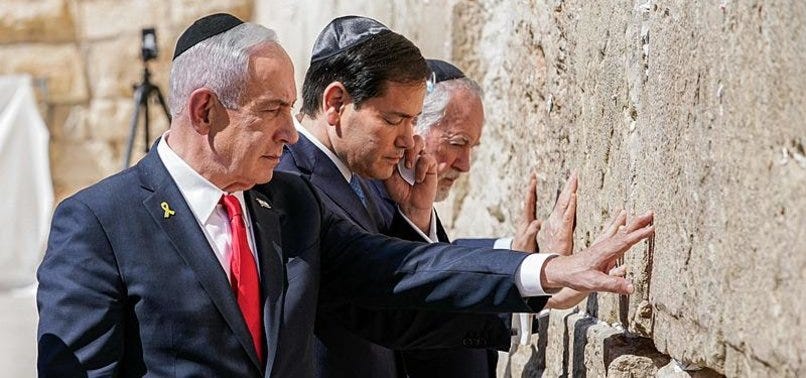
Scott Ritter, former UN weapons inspector, has recently highlighted how neoconservatives like Marco Rubio serve as agents of Israeli interests rather than America’s. In his commentary, Ritter describes Rubio as “a super neocon,” someone openly pushing for expanded war against Russia, Iran, and others at Israel’s behest. Trump, he says, is weak—unable to stand up to Rubio’s sabotage of any attempt at peace. The advice Rubio gives leads directly to heightened conflict, demonstrating the neocon grip and the outsize influence of foreign lobbies. For those seeking honest leadership, these actors represent betrayal of national interests in favor of global conflict and perpetual war.
Congressional Hostility: Patriots Under Siege
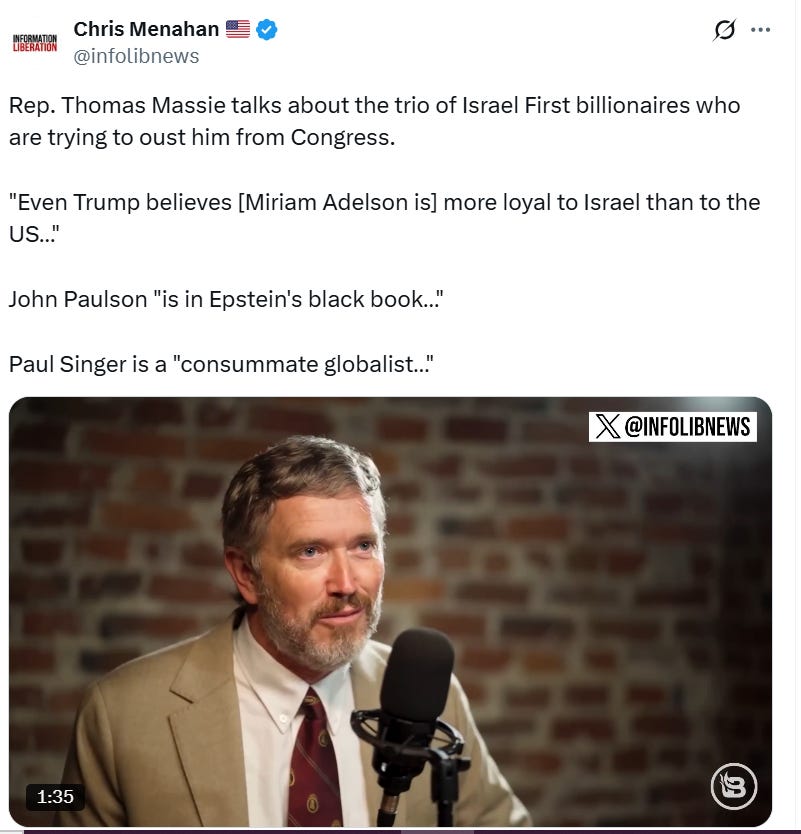
Figures like Rep. Thomas Massie face coordinated attacks by Israel First billionaires for failing to serve foreign masters. “Even Trump believes [Miriam Adelson is] more loyal to Israel than to the US…”—a sentiment increasingly mainstream among critics of U.S. foreign policy capture.
The Solution: Stack Silver, Stack Gold
Every ounce of silver or gold accumulated is a vote against war, fiat, and globalist control. It is monetary dissent that insulates your wealth from the consequences of inflation, debt, and the next war. When infinite money finances infinite conflict, physical wealth is your act of resistance—and the system’s Achilles heel.
Choose Your Side: The Quiet Revolution
With regime change, contractor profits, and the neocon playbook all riding on fiat’s endless credit, real money is radical. Stack silver, stack gold, and reclaim your sovereignty while Washington tries to sell it abroad. The Quiet Revolution begins in your own wallet—make it count
end of segment
First, Mexico’s Silver
Second, Venezuela’s Oil
Both are fleeing the U.S. dollar’s grip, racing into BRICS’ gold-backed embrace.
Russia is already boosting Mexico’s Pemex—deepening eastward ties as Trump’s policies drive resource-rich allies away from Washington.
Trump’s aggressive interference in Venezuela, driven by oil ambitions and military threats, is backfiring by pushing both Venezuela and Mexico to align with BRICS instead of the USA. As Washington destabilizes the region and disparages Mexican leaders, Russia is already aiding Mexico’s Pemex with oil and gas production deals, solidifying a growing strategic partnership. Together, Venezuela’s vast oil reserves and Mexico’s world-leading silver output are quickly shifting towards BRICS’ gold-backed trade network, undermining America’s dollar-based influence