
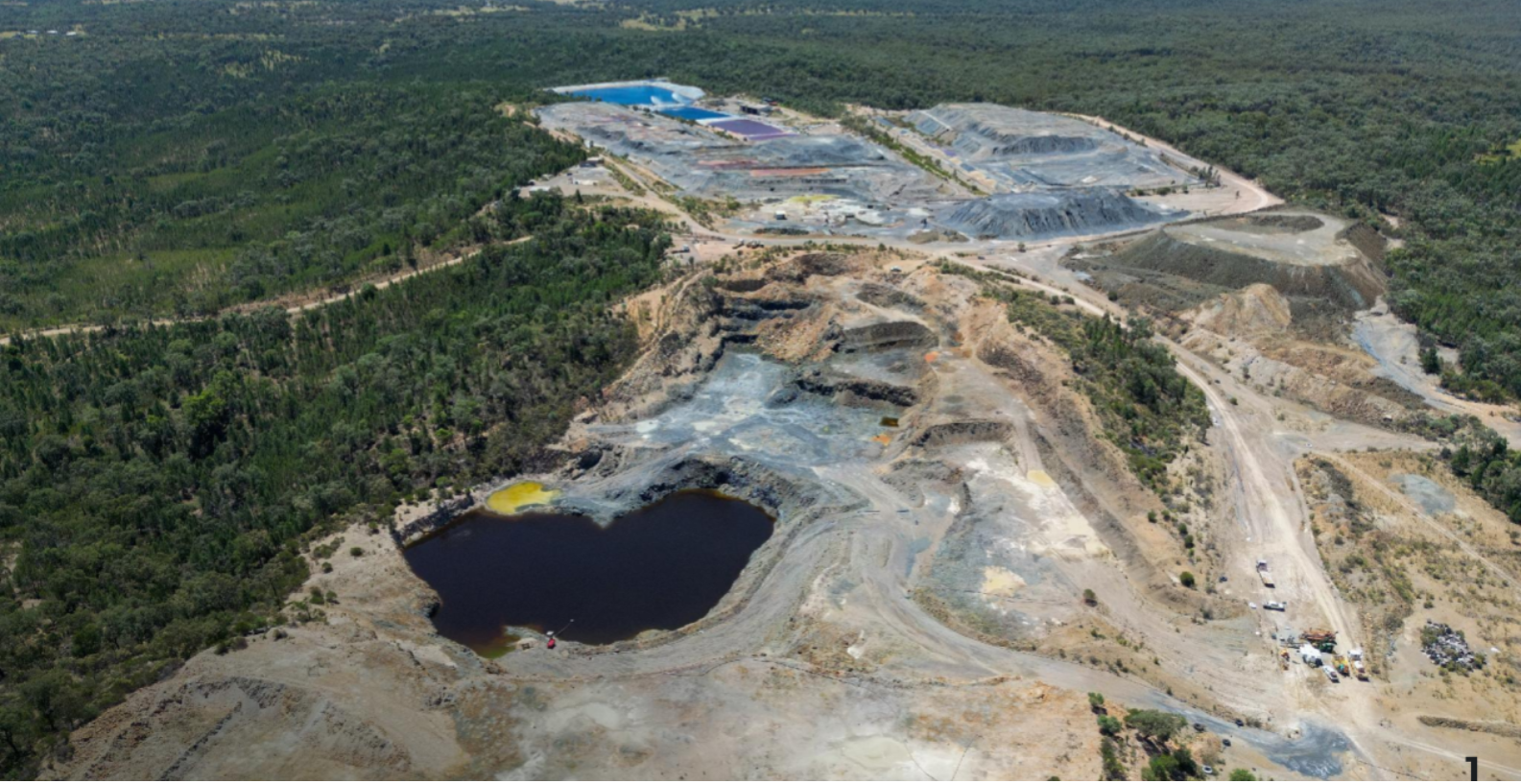
The Texas Silver Project pairs a defined 26.55 Moz AgEq hard-rock resource with existing infrastructure and accessible surface material, ready to be put to work.
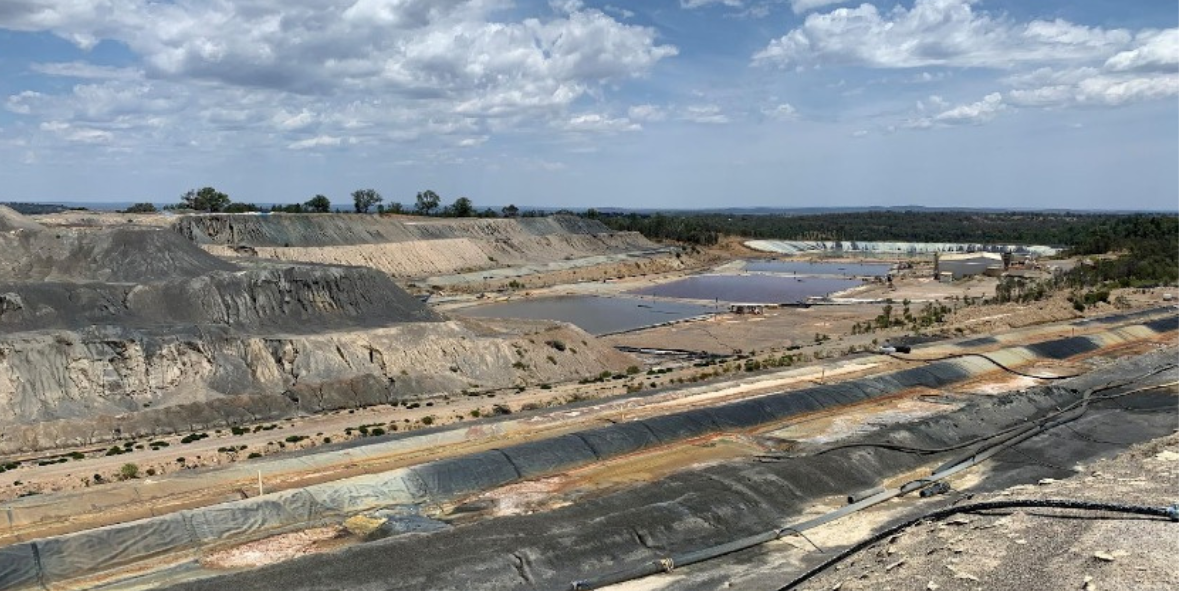
A look across the Texas Silver Project — its scale, existing infrastructure and surrounding district.
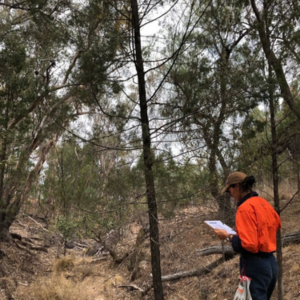
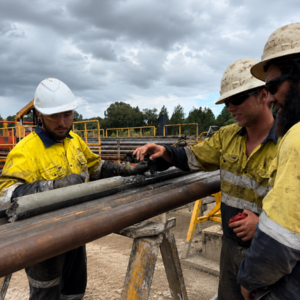
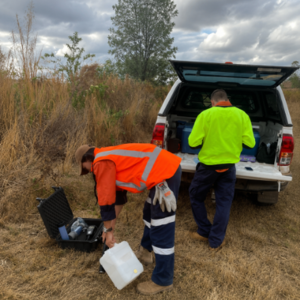
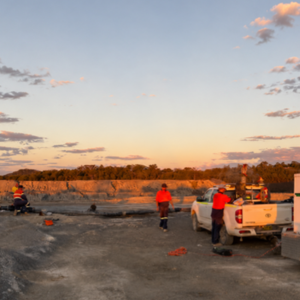
Unlike a greenfield project, Texas Silver starts with more than a century of mining, drilling and infrastructure already in place, reducing the time and capital required to reach production.
The Texas Silver Project combines the Twin Hills, Mount Gunyan and Silver Spur mining leases with extensive surrounding exploration tenure, built on a foundation of established infrastructure and drilling data most restart opportunities in Australia can’t match. Silver Star Resources is developing this existing foundation through a disciplined staged pathway, beginning with surface-processing opportunities before transitioning toward long-term hard-rock mining.
Material already mined and located on surface, available to support earlier-stage processing.
Plant, buildings, roads and site works already in place across the project area.
A JORC resource forming the foundation of the project's longer-term production strategy.
Extensive surrounding tenure supporting further growth beyond the existing resource.
The Texas Silver Project is located approximately 10 kilometres east of Texas near the Queensland–New South Wales border. The site is accessible by road and is located approximately four hours from Brisbane and nine hours from Sydney.
8872 Stanthorpe–Texas Road, Silver Spur, Queensland 4385, Australia
Map not displaying correctly? Open in Google Maps .
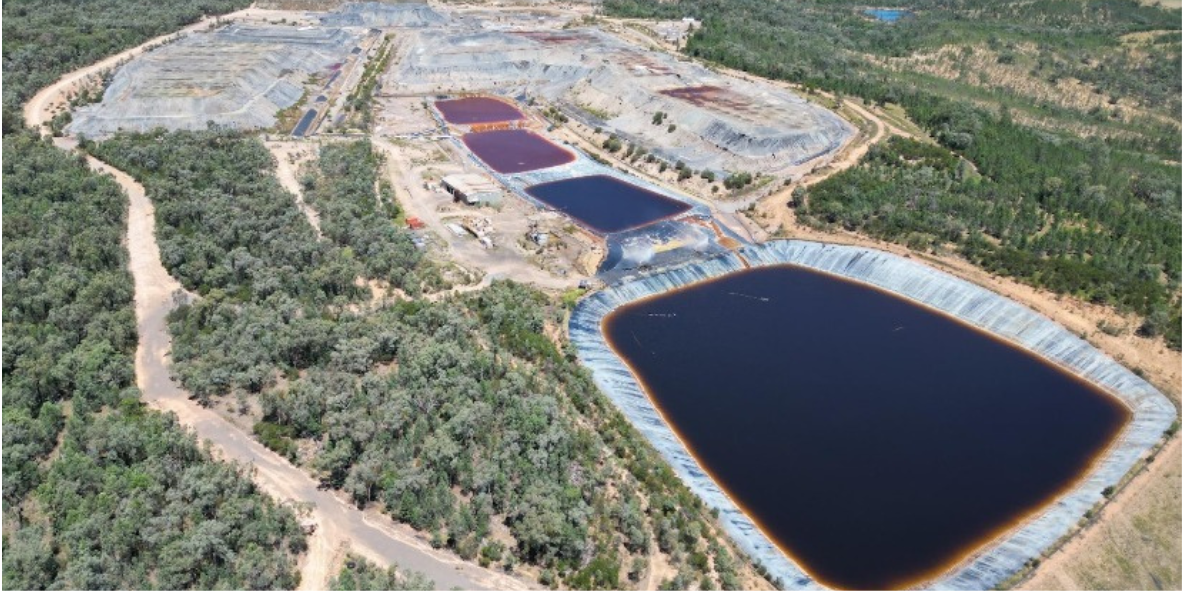
Existing plant, buildings, roads and site infrastructure distinguish the Texas Silver Project from a greenfield development. While individual assets remain subject to assessment and recommissioning, the existing site footprint may reduce replacement requirements, restart complexity and development timelines.
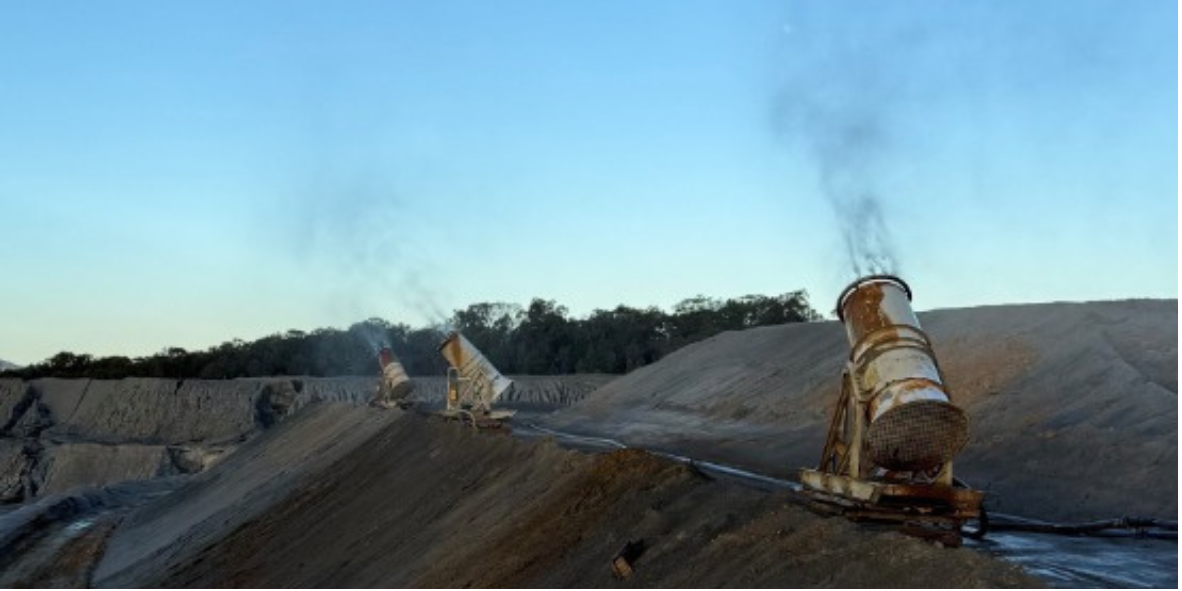
The project combines a defined hard-rock JORC resource with accessible material already located on surface. The surface inventory provides a lower-complexity starting point because the material has already been mined and placed within the project area — creating a potential pathway into early processing before the project progresses toward long-term hard-rock operations.
Supporting the project's longer-term mining strategy.
Supporting the project's early-stage processing pathway.
Material contained within existing heap-leach pads and run-of-mine stockpiles, forming part of the accessible surface inventory.
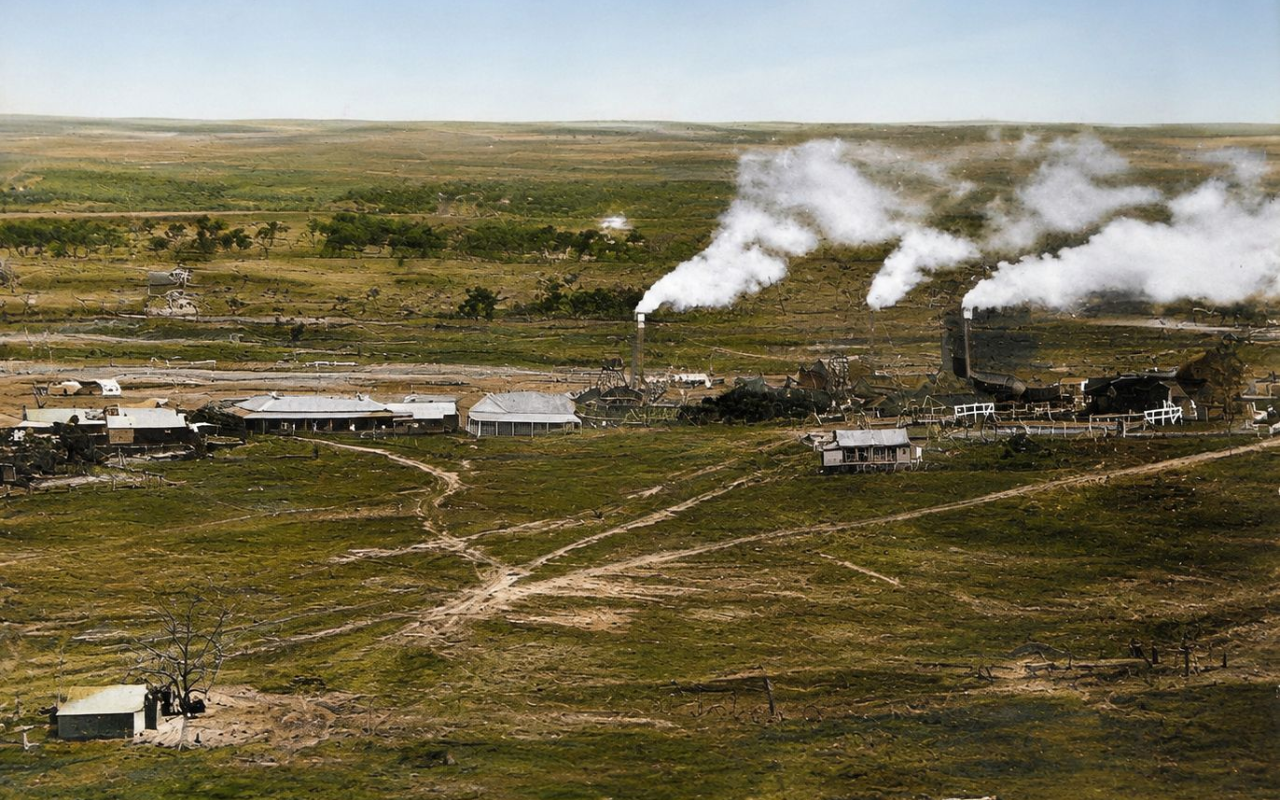
The existing deposits form part of a broader historically mineralised district containing numerous mines, workings and underexplored targets. The project is supported by more than 700 historical drill sites and over 40,000 metres of drilling information. Much of the historical drilling focused on shallow mineralisation, leaving deeper and regional potential to be evaluated through modern geological interpretation and targeted exploration.
The article mentions concerns over:
Power in New South Wales was expensive compared with Queensland, and power consumption for a smelter would be high.
Even in 1986, $6.5 million represented a significant investment.
Recovering metals from old slag is metallurgically complex, and recovery assumptions may have proved optimistic.
Metal prices in the mid-1980s were weak, making financing difficult. Ultimately, the project never evolved into a major operating mine.
These factors combined to make the project too challenging and risky at the time.
Explore the scale, existing infrastructure and surrounding district through project footage captured across the Texas Silver Project.
TSilver Star Resources is turning a proven historic district into Australia's next active silver restart, backed by a defined resource, existing infrastructure and a staged pathway already underway.